アメリカの象徴的なアイコンであるカウボーイブーツは、単なるファッションアイテムではなく、過酷な環境で働く乗馬者のための高度な機能性を追求して生まれた道具です。高いヒール、深いシャフト、そして紐のない構造など、その独特な形状にはすべて実用的な理由があります。
現代では、牛革だけでなくワニやダチョウ、ヘビなどのエキゾチックレザーを用いた豪華なデザインも人気ですが、そのルーツは16世紀のスペインからメキシコへと伝わった馬術文化にまで遡ります。
Key Facts
- 起源:スペインからメキシコへ伝わった「バケーロ(Vaquero)」の伝統がベースとなっている。
- 主要スタイル:伝統的な「ウェスタン(クラシック)」と、実用的な「ローパー」の2種類に大別される。
- 機能的設計:高いヒールは鐙(あぶみ)からの脱落を防ぎ、深いシャフトは足首を保護する。
- 素材:牛革が一般的だが、アリゲーターやオーストリッチなどの希少皮革も使用される。
- 象徴性:2007年にテキサス州の公式な「州の履物」に指定されている。
カウボーイブーツの進化と歴史的背景
カウボーイブーツの原型は、メキシコの馬術伝統であるバケーロ文化に深く根ざしています。16世紀のメキシコでは、カバリエブーツのような形式の靴が着用されていました。その後、18世紀には「テグアス」と呼ばれる平らな革靴に、ふくらはぎを保護する「ポライナス(ゲイター)」を組み合わせるスタイルが普及しました。
19世紀になると、サイドが突き出した「ボタ・デ・アラ(翼付きブーツ)」や、装飾的な革の巻き付け具である「ボタ・デ・カンパナ(ベルブーツ)」が登場します。特に後者は、その形状から鐘(ベル)に例えられ、内部にナイフを忍ばせて敵の投げ縄から逃れるための道具として活用されていました。
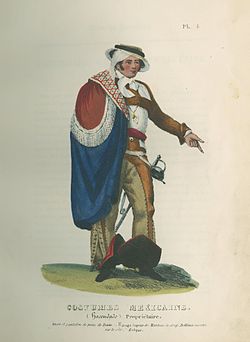
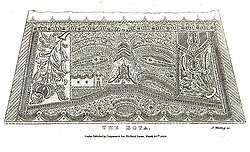
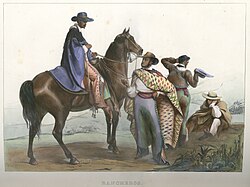
これらのメキシコ伝統のスタイルが北米へ伝わり、さらに米軍の騎兵隊ブーツの影響が加わったことで、現代に繋がるアメリカンスタイルのカウボーイブーツが誕生しました。初期のテキサス製ブーツは、非常にタイトなフィット感と極めて高いヒールが特徴で、カウボーイたちの誇りの象徴となっていました。
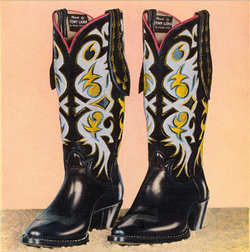
19世紀後半の家畜追い(キャトルドライブ)時代には、作業用のブーツとは別に、街で履くための装飾的なドレスブーツを所有する文化が生まれました。これにより、ステッチやカットアウトなどの装飾的なデザインが発展し、カンザスのチャールズ・ハイヤーやテキサスのH.J.ジャスティンといった著名なブーツメーカーが台頭しました。
機能に基づいた設計の秘密
カウボーイブーツの各パーツは、乗馬時の安全性と効率性を最大化するように設計されています。
ソールとトゥ(つま先)
滑らかなレザーソールは、サドルの鐙(あぶみ)への出し入れをスムーズにします。つま先はもともと丸みを帯びており、これも鐙への挿入を容易にするためでした。1940年代以降に流行した鋭いポインテッドトゥは、実用性よりもファッション性が重視された現代的なアレンジです。
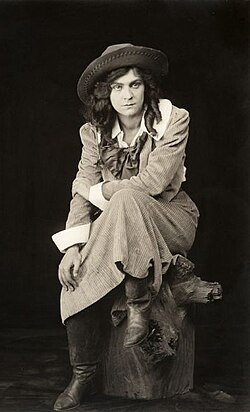
シャフト(筒部分)
紐のない高いシャフトは、乗馬中に落馬した際、ブーツが鐙に引っかかったままでも足が自然に抜けるように設計されており、引きずられる事故を防ぐ安全装置の役割を果たしていました。また、藪や棘、ガラガラヘビなどの外敵から脚部を保護し、雨天時には泥や水の浸入を防ぐ効果もありました。
ヒールの形状
伝統的な「カウボーイヒール」は、足が鐙の奥まで深く入りすぎるのを防ぎ、安定したホールド感を提供します。一方で、歩行時の快適性を重視したやや低めの「ウォーキングヒール」も存在します。
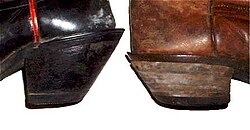
現代の主要スタイル:ウェスタンとローパー
現在のカウボーイブーツは、大きく分けて「ウェスタン(クラシック)」と「ローパー」の2つのスタイルに分類されます。
| 特徴 | ウェスタン(クラシック) | ローパー(Roper) |
|---|---|---|
| シャフトの高さ | ふくらはぎの中ほどまで高い | 足首より高く、ふくらはぎより低い |
| ヒールの形状 | 高く、角度がついた形状(1インチ超) | 低く、平らな四角い形状(1インチ未満) |
| つま先の形状 | ラウンド、スクエア、ポイントなど多様 | 主にラウンド(ストリート系はスクエア) |
| 主な用途 | 伝統的な乗馬、ファッション | ロデオ(カーフロッピング)、歩行 |
| 固定方法 | プルストラップによる脱着 | プルストラップ、または紐付き(レースアップ) |
ローパーブーツは、ロデオのカーフロッピング(子牛の縄付け)において、馬から降りて走る必要があるというニーズから生まれました。低いヒールは歩行に適しており、紐付きのデザインは足首のサポート力を高めています。ただし、紐付きは落馬時にブーツが脱げにくいため、乗馬時の安全性という点では伝統的なスタイルに劣ります。
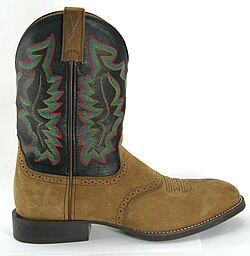
Frequently Asked Questions
なぜカウボーイブーツには紐がないのですか?
最大の理由は安全性です。もし乗馬中に落馬し、ブーツが鐙(あぶみ)に挟まった場合、紐がないことで足がブーツからスルリと抜け、馬に引きずられるという致命的な事故を防ぐことができるためです。
「ローパー」と「ウェスタン」の決定的な違いは何ですか?
主にヒールの高さと形状、そしてシャフトの長さが異なります。ウェスタンは高く角度のあるヒールで乗馬に特化していますが、ローパーは低く平らなヒールで、地上での歩行や走行に適した設計になっています。
エキゾチックレザーが使われる理由は何ですか?
耐久性の向上や、所有者のステータスを示す装飾的な目的で使われます。ワニやダチョウなどの皮革は、見た目の豪華さに加え、それぞれ異なる質感や強度を持っており、カスタムオーダーのブーツで好んで採用されます。
ブーツのつま先の形状に機能的な意味はありますか?
伝統的なラウンドトゥ(丸い形状)は、鐙への出し入れをスムーズにするための実用的な設計です。一方で、現代的なポイントトゥ(尖った形状)は主にファッション目的であり、作業用としては快適性が低い場合があります。
拍車(スパー)はどのようにして装着しますか?
拍車はブーツのヒール部分に取り付けて使用します。これにより、騎乗中に馬へ合図を送り、速度や方向をコントロールすることが可能になります。
References
- Howard Zinn, A People's History of the United States, New York: Harper Collins, 2003.
- Beard, Tyler (1999). Art of The Cowboy Boot. Layton, Utah: Gibbs Smith. p. 11. .
- Powell, Philip Wayne (1977). Mexico's Miguel Caldera: The Taming of America's First Frontier, 1548-1597. Tucson: University of Arizona Press. p. 58. . Retrieved 7 September 2025.
- Muñoz, Rafael Felipe (1928). El feroz cabecilla y otros cuentos de la revolución en el norte (in Spanish). Mexico City. p. 104. Retrieved 21 January 2026.
At the head of them all, Saavedra made a strong impression on me: he was meticulously shaved; he had undoubtedly groomed himself for the cavalry charge; he wore no hat, a linen guayabera shirt tied at the waist, fine gabardine riding trousers, yellow gaiters, and teguas, or peasant shoes, without heels.
{{}}: CS1 maint: location missing publisher () - Boletín de la Sociedad Mexicana de Geografía y Estadística, Volume 11 (in Spanish). Mexico City: A. Boix. 1865. p. 100. Retrieved 21 January 2026.
shoes called teguas, which cover the entire instep of their feet.
- Ramos y Duarte, Felix (1898). Diccionario de Mejicanismos. México: Herrero hermanos. p. 473. Retrieved 21 January 2026.
- Charpenne (1838). "Una Fiesta y una representación teatral en los bosques de Mégico: Recuerdos de un Viagero". El Recreo de las familias - Lecturas interesantes, amenas, curiosas e instructivas (in Spanish). 1. Mexico: Libreria de Galvan: 255. Retrieved 21 January 2026.
The tall, slender, wealthy Mexican man, with pale, dark, or swarthy complexion, wearing short, light-colored velvet breeches held up by a gold-striped band, his cambric shirt, his heavy wool hat, and his zapatos de ala [wing shoes].
- Mateos, Juan Antonio (1869). Los insurgentes: continuación de Sacerdote y caudillo. Novela histórica (in Spanish). Mexico: Impr. del comercio de N. Chavez, a cargo de J. Moreno. p. 39. Retrieved 21 January 2026.
Uncle Blas was a former vaquero from the Chichihualco Hacienda; he had spent his life working on the range, and by then he was retired. He was a little old man of seventy, short and stooped, his legs forming a perfect bow shape, his hands rough and calloused, having never known the touch of soap. Uncle Blas had a matted braid of hair, a comb being a stranger to him; he dressed like the country folk, wearing leather trousers, bota de campana, a short jacket, a blue shirt with black epaulets and fringes, a straw hat, and zapaton de ala.
- Revilla, Domingo (1844). "Costumbres y Trajes Nacionales: Los Rancheros". El museo mexicano o miscelánea de amenidades curiosas e instructivas (in Spanish). 3: 552. Retrieved 21 January 2026.
Bota de campana: They are two thick deer hides, one part of which is embossed with different designs; each of these hides is folded in half lengthwise and widthwise: once folded, they are wrapped around the calves and tied with a strap called an atadero [...].
- Ward, Henry George (1828). Mexico in 1827. London: H. Colburn. p. 228. Retrieved 21 January 2026.
The lower part of the leg is protected by a pair of Guadalajara stamped-leather boots, curiously wrapped around it, and attached to the knee with embroidered garters ; these descend as far as the ankle, where they are met by shoes of a most peculiar shape, with a sort of wing projecting on the saddle side ;
📸 フォトギャラリー