赤橙色の美しい光沢を持つ銅は、人類が最も古くから利用してきた金属の一つです。優れた電気伝導性と熱伝導性を備え、現代社会のインフラを支える不可欠な素材となっています。特に近年では、脱炭素社会に向けた電化の進展に伴い、その需要は世界的に急増しています。
Key Facts
- 原子番号29の遷移元素であり、高い電気伝導率を持つ。
- 人類が紀元前9000年頃から利用し始めた、最古の金属の一つ。
- 抗菌・抗ウイルス作用があり、医療施設や公共交通機関で活用されている。
- エネルギー転換(電化)により需要が増大しており、特に中国での消費が激しい。
- 主要な産地はチリなどの大規模な露天掘り鉱山である。
銅の物理的・化学的特性
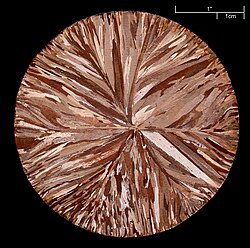
銅は周期表の第11族に属し、標準状態で固体として存在します。最大の特徴は、金属の中でもトップクラスの電気伝導性と熱伝導性を持つことです。これにより、電線や電子部品の基幹材料として君臨しています。
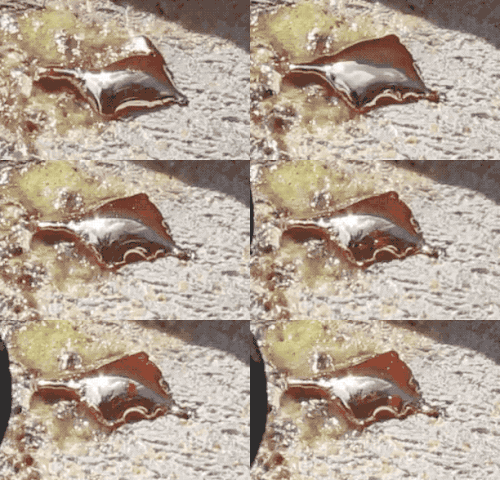
視覚的には特徴的な赤橙色の光沢を放ちますが、融点(1084.62 °C)付近では、強い光の下でピンク色の光沢を維持することがあります。

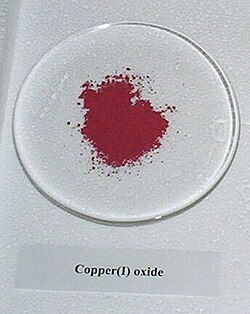
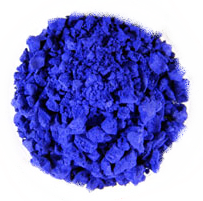
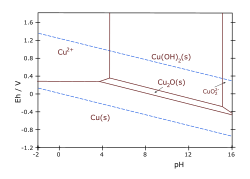
化学的には、酸化状態として+2が一般的ですが、+1や、稀に+3、+4の状態も取ります。また、空気中の酸素や水分と反応してパティナ(緑青)と呼ばれる緑色の錆を形成し、これが建築物の保護層として機能することもあります。
![Ball-and-stick model of the complex [Cu(NH3)4(H2O)2]2+, illustrating the octahedral coordination geometry common for copper(II)](/images/f4/93/f493487cd85b52f99242bf44b31e86508e0dd6f2a671a994a564803c9eab7056.png)
産業的生産と経済的動向
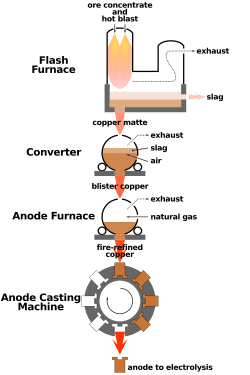
銅の採取は主に大規模な露天掘り鉱山で行われており、チリのチュキカマタ鉱山などがその代表例です。抽出プロセスでは、硫化銅を酸化させて酸化銅とし、さらに加熱して「ブリスター銅」を得る精錬工程(フラッシュ精錬など)が用いられます。
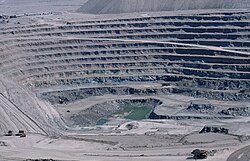
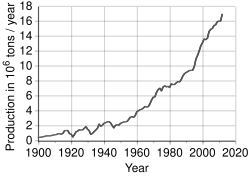
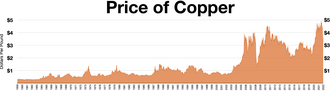
2024年の世界生産量は約2,280万〜2,290万トンと推定されています。価格変動は世界経済の指標とされることが多く、1959年から2022年にかけて大きな価格推移を見せてきました。現在は、電気自動車(EV)や再生可能エネルギー設備への移行という「エネルギー転換」が強力な需要ドライバーとなっており、特に中国が世界需要の半分以上を占めています。
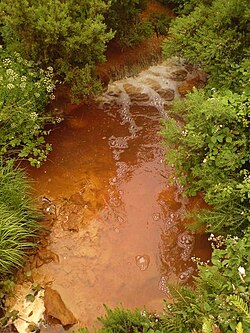
一方で、鉱山開発に伴う酸性鉱山排水などの環境負荷が課題となっており、持続可能な資源確保のためにリサイクル技術の重要性が高まっています。
多様な用途と合金
純銅だけでなく、他の金属と組み合わせた合金としても広く利用されています。例えば、銅とニッケルの合金であるキュプロニッケルは硬貨に、銅と亜鉛の合金である真鍮や、銅と錫の合金である青銅は装飾品や工業部品に用いられます。
![Copper alloys are widely used in the production of coinage; seen here are two examples – post-1964 American dimes, which are composed of the alloy cupronickel[68] and a pre-1968 Canadian dime, which is composed of an alloy of 80 percent silver and 20 percent copper.[69]](/images/ab/a5/aba59fa83c88e4a824dac456e5552c54fc882ffac33f58c8bb565b7658d0cae1.jpg)
主要な応用分野
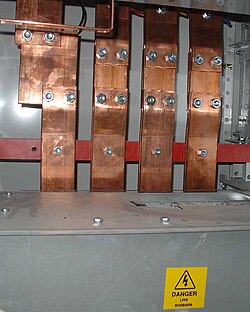
- 電気・電子:電線、ケーブル、バスバー、モーター巻線。
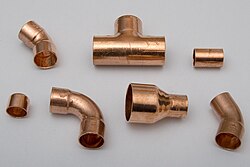
- 建築:屋根材、配管継手。
- 衛生・医療:抗菌表面材(ドアノブや手すりなど)。
- 芸術・工芸:版画(銅版画)、彫刻。


生物学的役割と健康
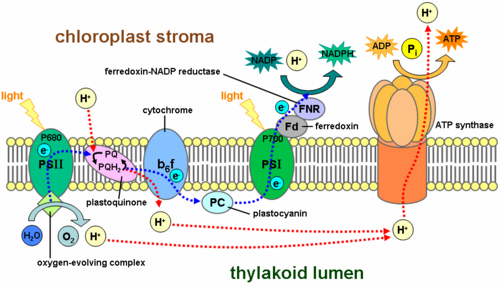
銅は人間を含む多くの生物にとって必須の微量元素です。生体内では、スーパーオキシドディスムターゼ(SOD)などの酵素の構成成分として、有害な活性酸素を除去する役割を担っています。また、植物の光合成における電子伝達系(プラストシアニン)においても重要な役割を果たしています。
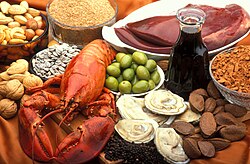
食事面では、牡蠣、レバー、ブラジルナッツ、ココアなどが豊富な供給源となります。しかし、不足すると健康障害を招き、逆に過剰に摂取すると毒性を示すため、適切な調節が必要です。
人類史における銅の歩み
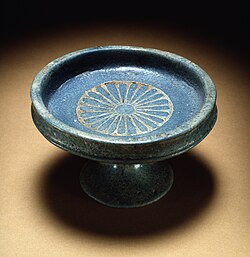
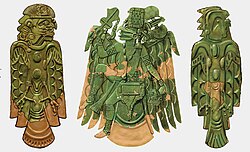
銅の利用は紀元前9000年頃の中東にまで遡ります。石器時代から金属器時代への移行期である「銅石時代」を経て、錫を混ぜた青銅器時代へと発展しました。古代エジプトでは青色の顔料(エジプシャンブルー)として、また北米のミシシッピ文化では装飾的なプレートとして利用されていました。
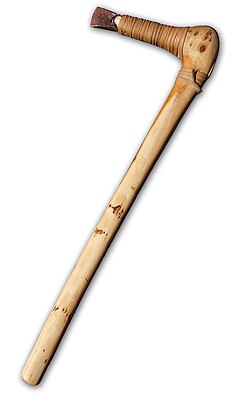

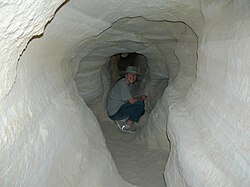
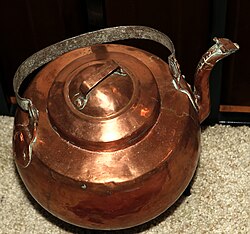
中世から近代にかけては、調理器具や建築材としての利用が広がり、錬金術においては金星(ヴィーナス)の象徴とされていました。
銅の基本データまとめ
| 項目 | 詳細値 / 特徴 |
|---|---|
| 原子番号 / 原子量 | 29 / 63.546 |
| 融点 / 沸点 | 1084.62 °C / 2562 °C |
| 密度 (20 °C) | 8.935 g/cm³ |
| 電気抵抗率 | 16.78 nΩ·m |
| 熱伝導率 | 401 W/(m·K) |
| モース硬度 | 3.0 |
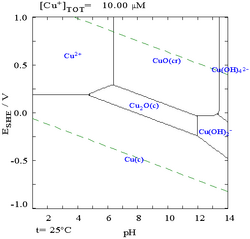
※補足的な図解資料
Frequently Asked Questions
なぜ銅は電気を通しやすいのですか?
銅の電子配置により、自由電子が非常に動きやすいためです。この高い電気伝導性により、エネルギー損失を最小限に抑えて電気を運ぶことができるため、世界中で電線として利用されています。
銅の「抗菌作用」とはどのような仕組みですか?
銅イオンが細菌やウイルスの細胞膜やタンパク質に接触し、構造を破壊することで不活化させる仕組みです。このため、病院の接触表面などに銅合金を採用することで、院内感染のリスクを低減させる試みが行われています。
「緑青(ろくしょう)」は有害ですか?
一般的に建築物の表面にできるパティナ(緑青)は、内部の銅をさらに腐食から守る保護膜として機能します。ただし、一部の化合物は毒性を持つため、取り扱いには注意が必要です。
エネルギー転換でなぜ銅が必要とされるのですか?
電気自動車(EV)や風力発電、太陽光発電などの設備は、従来の化石燃料ベースの設備よりもはるかに多くの銅を必要とします。モーターの巻線や充電インフラ、送電網の拡充に不可欠なため、需要が急増しています。
銅の主な供給源はどこですか?
世界的に見るとチリが最大の生産国であり、大規模な露天掘り鉱山から抽出されています。その他、ペルーなどの南米諸国やアフリカ、北米などで生産されています。
References
- "Standard Atomic Weights: Copper". . 1969.
- Prohaska, Thomas; Irrgeher, Johanna; Benefield, Jacqueline; Böhlke, John K.; Chesson, Lesley A.; Coplen, Tyler B.; Ding, Tiping; Dunn, Philip J. H.; Gröning, Manfred; Holden, Norman E.; Meijer, Harro A. J. (4 May 2022). "Standard atomic weights of the elements 2021 (IUPAC Technical Report)". Pure and Applied Chemistry. :10.1515/pac-2019-0603. 1365-3075.
- Arblaster, John W. (2018). Selected Values of the Crystallographic Properties of Elements. Materials Park, Ohio: ASM International. .
- Cu(−2) has been observed as dimeric anions [Cu4]2– in La2Cu2In; see Myung-Hwan Whangbo; Changhoon Lee; Jürgen Köhler (2006). "Transition-Metal Anions in Solids and Their Implications on Bonding". Angewandte Chemie International Edition. 45 (44): 7465–7469. :10.1002/anie.200602712.
- Jackson, Ross A.; Evans, Nicholas J.; Babula, Dawid J.; Horsley Downie, Thomas M.; Charman, Rex S. C.; Neale, Samuel E.; Mahon, Mary F.; Liptrot, David J. (28 January 2025). "Nucleophilicity at copper(-I) in a compound with a Cu–Mg bond". Nature Communications. 16 (1): 1101. :2025NatCo..16.1101J. :10.1038/s41467-025-56544-z. 2041-1723. 11775243. 39875432.
- Moret, Marc-Etienne; Zhang, Limei; Peters, Jonas C. (2013). "A Polar Copper–Boron One-Electron σ-Bond". J. Am. Chem. Soc. 135 (10): 3792–3795. :2013JAChS.135.3792M. :10.1021/ja4006578. 23418750.
- ; Earnshaw, Alan (1997). Chemistry of the Elements (2nd ed.). Butterworth-Heinemann. p. 28. :10.1016/C2009-0-30414-6. .
- Lide, D. R., ed. (2005). "Magnetic susceptibility of the elements and inorganic compounds". CRC Handbook of Chemistry and Physics (PDF) (86th ed.). Boca Raton (FL): CRC Press. . Archived from the original (PDF) on 3 March 2011.
- Weast, Robert (1984). CRC, Handbook of Chemistry and Physics. Boca Raton, Florida: Chemical Rubber Company Publishing. pp. E110. .
- Kondev, F. G.; Wang, M.; Huang, W. J.; Naimi, S.; Audi, G. (2021). "The NUBASE2020 evaluation of nuclear properties" (PDF). Chinese Physics C. 45 (3) 030001. :10.1088/1674-1137/abddae.
📸 フォトギャラリー