北米の広大な南大平原において、かつて圧倒的な影響力を誇った人々がいます。それがコマンチ族(Comanche)です。彼らは卓越した騎馬技術と戦略的な外交・貿易能力を武器に、広大な領域を支配し、独自の文明を築き上げました。現代においても、彼らはオクラホマ州を中心にそのアイデンティティを継承し、文化の保存と発展に努めています。
彼らが自らを呼ぶ名称は「nʉmʉnʉʉ」であり、「人間」あるいは「人々」を意味します。一方で、一般的に知られる「コマンチ」という名は、ユート語で「敵」を意味する「kɨmantsi」に由来しており、スペイン入植者を通じて広まった呼称です。
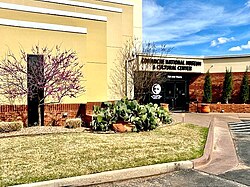
主要な事実(Key Facts)
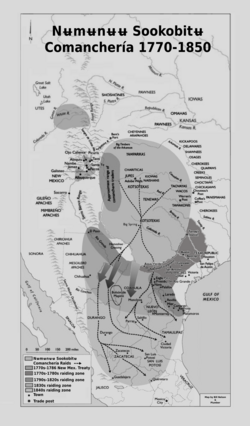
- 支配領域: かつてはテキサス北西部からニューメキシコ、コロラド、カンザス、オクラホマにまたがる「コマンチェリア」と呼ばれる広大な地域を支配した。
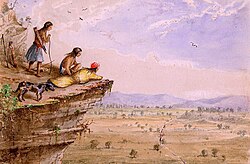
- 文化の核: 遊牧的な馬文化を基盤とし、主食としてバイソン(バッファロー)を狩猟していた。
- 言語: ユト・アステカ語族に属し、全盛期には南大平原の共通語(リンガ・フランカ)として機能していた。
- 人口の変遷: 18世紀から19世紀にかけては数万人規模であったが、疫病や紛争により激減。現在は約17,000人の登録市民がいる。
- 現代の拠点: 主にオクラホマ州南西部のロートンやフォート・シル周辺に居住している。
コマンチェリアの形成と拡大
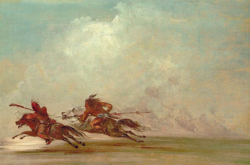
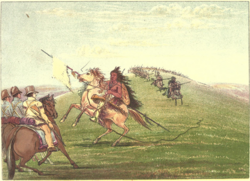
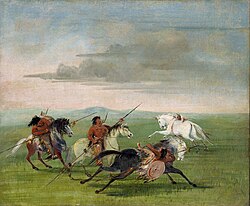
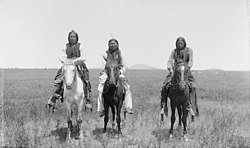
コマンチ族の歴史は、南大平原への大移動から始まります。彼らは優れた馬術を習得することで、移動能力と戦闘力を飛躍的に向上させました。18世紀初頭にはすでにスペインの記録に登場しており、次第にアパッチ族を平原から追い出し、自らの勢力圏を拡大させていきました。
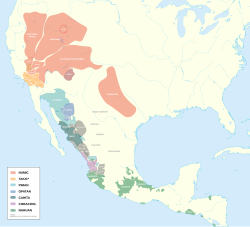
彼らが支配した領域は「コマンチェリア」と呼ばれ、一部の歴史家はこれを一つの「帝国」と表現しています。この地域で彼らは、近隣の先住民のみならず、スペイン、フランス、そしてアメリカの入植者たちと活発な交易を行っていました。
社会構造と集団の分化
伝統的なコマンチ社会は、父系的な核家族を基本単位としていました。その後、地理的な分布に応じて大きく「東部コマンチ」と「西部コマンチ」の2つのグループに分かれました。東部グループは主にテキサスのエドワーズ高原やブラゾス川流域に展開し、西部グループはアーカンソー川やレッド川の上流、リャノ・エスタカド地域に居住していました。
また、彼らの集団名には「バッファローを食べる者(Kotsoteka)」や「蜂蜜を食べる者(Penateka)」など、食生活や習慣に基づいたユニークな名称が多く見られます。
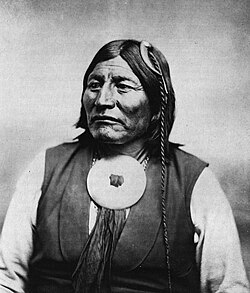
戦いと生存の歴史
コマンチ族は、入植者たちにとって「恐るべき襲撃者」であると同時に、「不可欠な貿易相手」という二面性を持つ存在でした。テキサス共和国のサム・ヒューストン大統領は、1844年に和平条約を結ぼうと試みましたが、境界線の策定を巡る政治的対立により、完全な平和を実現することはできませんでした。
彼らの最大の危機は、軍事的な衝突よりも、外部から持ち込まれた疫病でした。天然痘や麻疹、コレラといった免疫のない病原体により、18世紀末に約2万人いた人口は、1870年代には数千人まで激減しました。
予約地への移行と変革
19世紀後半、激しい抵抗を続けたコマンチ族でしたが、次第に政府の管理下にある予約地へと移されました。1892年のチェロキー委員会との合意により、土地はさらに削減され、個人への土地割り当てが行われました。これにより、伝統的な遊牧生活の時代は終焉を迎えました。
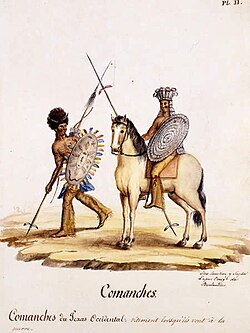
豊かな文化と精神世界
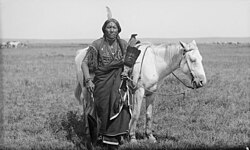
コマンチ族の生活は、自然との深い共生に基づいています。特にバイソンは食料、衣類、住居の材料として不可欠な存在でした。彼らが使用したティピー(円錐形テント)や、精巧なビーズ細工の袋などは、その高い芸術性と実用性を物語っています。
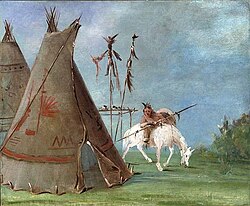
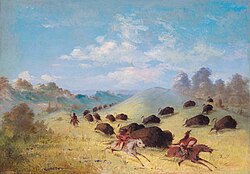
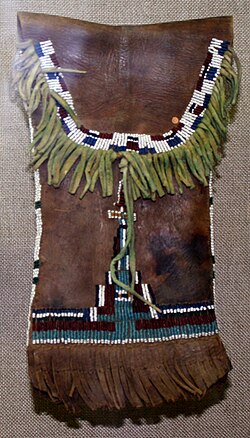
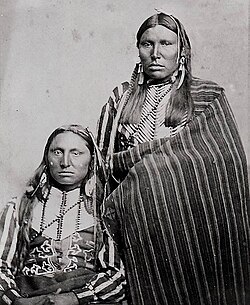
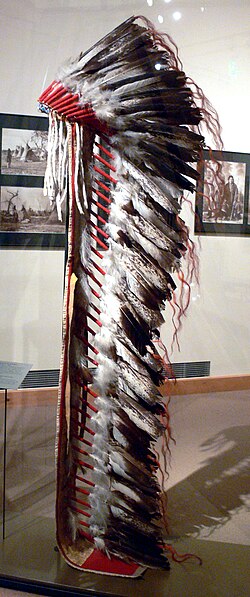
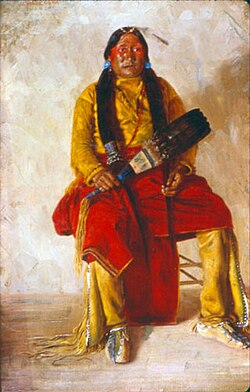
また、馬術への情熱は極めて高く、単なる移動手段ではなく、誇りとアイデンティティの象徴でした。戦士たちが身につけた豪華なウォー・ボンネット(羽飾り)や伝統的な装束は、彼らの勇気と地位を示すものでした。
子供の育成と伝統
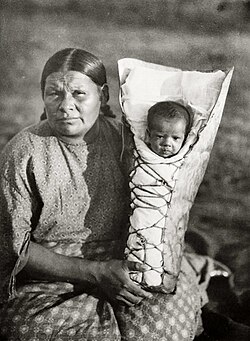
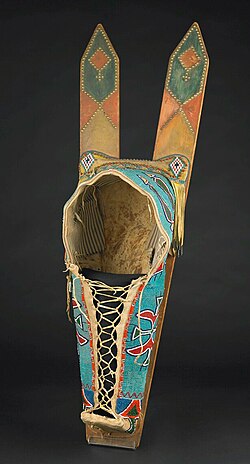
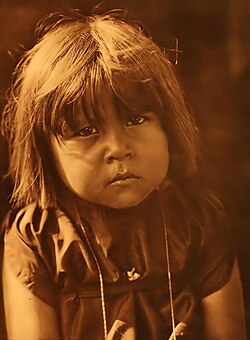
子供たちは「クレードルボード(揺りかご板)」を用いて大切に育てられました。これは移動の多い遊牧生活において、乳幼児を安全に運ぶための知恵でした。
現代に受け継がれる遺産
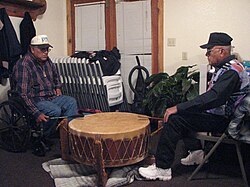
現代のコマンチ族は、伝統の保存と経済的な自立を両立させています。オクラホマ州では複数のカジノを運営し、得られた収益を部族の発展に充てています。また、毎年7月中旬には「ホームカミング・アニュアル・ダンス」が開催され、世代を超えて文化的な絆を深めています。
歴史に名を刻んだ人物たち
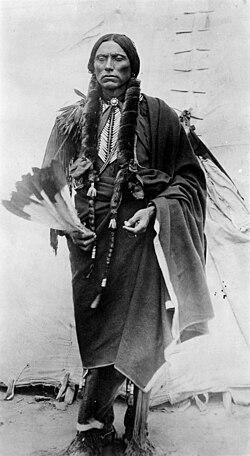
最も著名な指導者の一人がクアナ・パーカーです。彼は伝統的な戦士としての生き方から、後に部族の権利を守る政治的なリーダーへと転身し、ネイティブ・アメリカン教会の創設にも関わりました。
また、第二次世界大戦中には、コマンチ語を軍事通信に利用した「コードトーク(暗号話者)」として活躍したチャールズ・チビティのような人物もおり、彼らの言語が国家の安全保障に貢献した歴史があります。
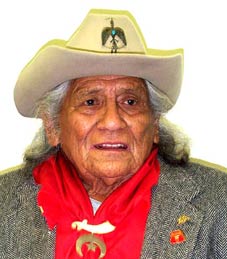
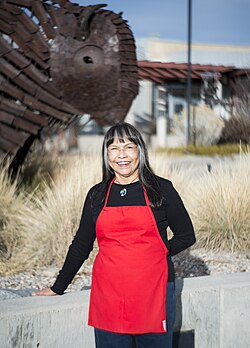
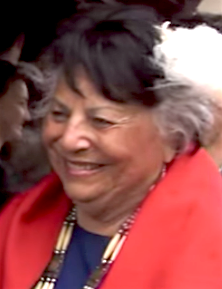
現代においても、ラドンナ・ハリスのような政治活動家や、カリタ・コフィーのような芸術家が、コマンチの精神を世界に発信し続けています。
コマンチ族の概要まとめ
| 項目 | 詳細 |
|---|---|
| 自称 | nʉmʉnʉʉ(人間、人々) |
| 主要言語 | コマンチ語、英語 |
| 伝統的な生活様式 | 馬を用いた遊牧、バイソン狩猟 |
| 主な居住地域 | オクラホマ州(ロートン、フォート・シル周辺) |
| 宗教 | ネイティブ・アメリカン教会、キリスト教、伝統宗教 |
| 現代の人口 | 登録市民 約17,000人(2021年) |
Frequently Asked Questions
コマンチ族が「馬の民」と呼ばれるのはなぜですか?
彼らがスペイン人から馬を導入した後、極めて高度な騎馬技術を習得し、それを軍事、狩猟、貿易のすべてに活用して南大平原の覇権を握ったためです。
「コマンチェリア」とはどのような場所でしたか?
18世紀から19世紀にかけて、コマンチ族が支配していたテキサス北西部からニューメキシコ、コロラド、カンザス、オクラホマに及ぶ広大な領域のことです。
コマンチ語は現在も使われていますか?
はい。人数は減少していますが、現在も話されており、言語と文化の保存委員会などを通じて、次世代への継承活動が行われています。
クアナ・パーカーとはどのような人物でしたか?
コマンチ族の有力な指導者であり、伝統的な戦士から、部族の生存と権利を確保するためにアメリカ政府と交渉する政治的リーダーへと変貌を遂げた人物です。
コマンチ族のコードトークとは何ですか?
第二次世界大戦中、敵に解読されないよう、コマンチ語を暗号として軍事通信に使用したものです。彼らの言語の複雑さが、極めて安全な通信手段となりました。
References
- "About Us". Comanche Nation. Retrieved December 23, 2021.
- "Distribution of American Indian tribes: Comanche People in the US".
- "Home | Comanche Nation". comanchenation.com. Retrieved August 20, 2022.
- Cite error: The named reference
oiawas invoked but never defined (see the ). - Jean Ormsbee Charney. A Grammar of Comanche. (Nebraska, 1993). Pages 1–2.
- Kavanagh, Thomas W. "Comanche (tribe)". The Encyclopedia of Oklahoma History and Culture. Oklahoma Historical Society. Retrieved December 23, 2021.
- Hämäläinen, Pekka (January 2008). The Comanche Empire. NewHaven and London: Yale University Press. p. 171. .
- Fowles, Severin, Arterberry, Lindsay Montgomery, Atherton, Heather (2017), "Comanche New Mexico: The Eighteenth Century", in New Mexico and the Pimeria Alta, Boulder University Press of Colorado, pp. 158–160. Downloaded from .
- Marez, Curtis (June 2001). "Signifying Spain, Becoming Comanche, Making Mexicans: Indian Captivity and the History of Chicana/o Popular Performance". American Quarterly. 53 (2): 267–307. :10.1353/aq.2001.0018. 144608670.
- "The Homecoming Dance". Comanche Nation official website. Retrieved July 11, 2017.
📸 フォトギャラリー