塩素は、周期表の第17族に属するハロゲン元素の一つであり、自然界では主に塩化物として存在しています。淡黄緑色の刺激臭を持つガスとして知られるこの元素は、強力な酸化力を持つため、工業的な化学合成から公衆衛生における消毒まで、現代社会のあらゆる場面で不可欠な役割を果たしています。
その名称は、古代ギリシャ語で「淡い緑色」を意味する「χλωρός」に由来しています。化学的な反応性が非常に高く、多くの元素と結合して多様な化合物を形成するのが特徴です。

Key Facts
- 元素記号: Cl(原子番号17)
- 外観: 淡黄緑色の気体(標準状態でガス)
- 主な特性: 強力な酸化剤であり、高い反応性を持つ
- 主要用途: 水道水やプールの消毒、プラスチック(PVC)などの化学原料
- 産業的製法: 主に塩化ナトリウム水溶液の電気分解(クロルアルカリ法)により製造
塩素の物理的・化学的性質
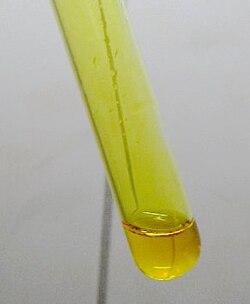
塩素は標準状態で気体ですが、冷却または加圧することで液体や固体へと状態変化します。沸点は約-34.04°Cであり、室温で加圧すると液体として保存することが可能です。
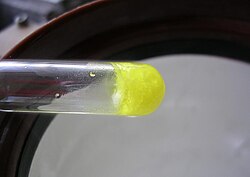
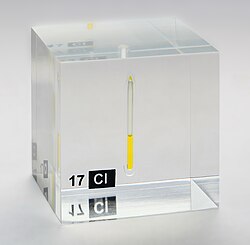
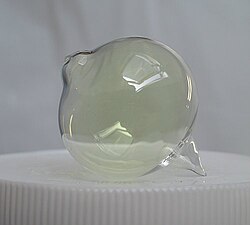
液体塩素は、特定の圧力下でクォーツアンプルなどの耐圧容器に封入して管理されます。また、大量輸送の際は専用の鉄道タンク車などが利用されますが、その危険性から厳格な表示と管理が義務付けられています。
![A railway tank car carrying chlorine, displaying hazardous materials information including a diamond-shaped U.S. DOT placard showing a UN number[87]](/images/8e/92/8e92598e175970ea94a88a4bbe7fc91125e56678abd6a8f2bc69b6f069fae812.jpg)
化学的反応性と酸化状態
塩素は電気陰性度が非常に高く(ポーリング尺度で3.16)、電子を引き寄せる力が強いため、強力な酸化剤として機能します。酸化数は-1(塩化物)が最も一般的ですが、酸素と結合した酸化物などでは+1, +3, +5, +7といった正の酸化状態を取ることもあります。
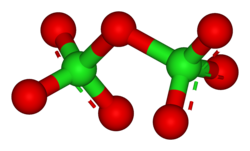
例えば、最も安定した塩素酸化物の一つである七酸化二塩素(Cl2O7)などの複雑な構造を持つ化合物も存在します。
歴史的背景と発見
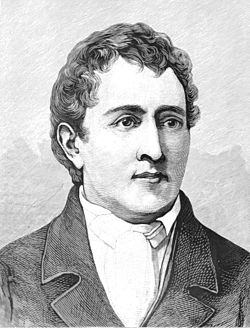
塩素の歴史は、1774年にカール・ヴィルヘルム・シェーレによって初めて単離されたことに始まります。その後、1808年にハンフリー・デービーによって、それが化合物ではなく独立した「元素」であることが認められました。
医学への貢献と公衆衛生
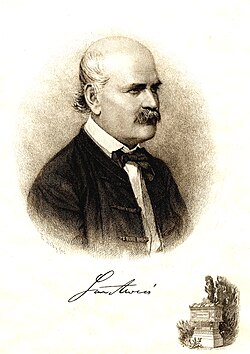
塩素の殺菌能力は、医学の歴史においても重要な転換点となりました。イグナーツ・ゼンメルヴァイスは、塩素を用いた手指消毒が産褥熱などの感染症を劇的に減少させることを実証し、近代的な消毒法の基礎を築きました。
産業的な製造プロセスと用途
クロルアルカリ法による製造
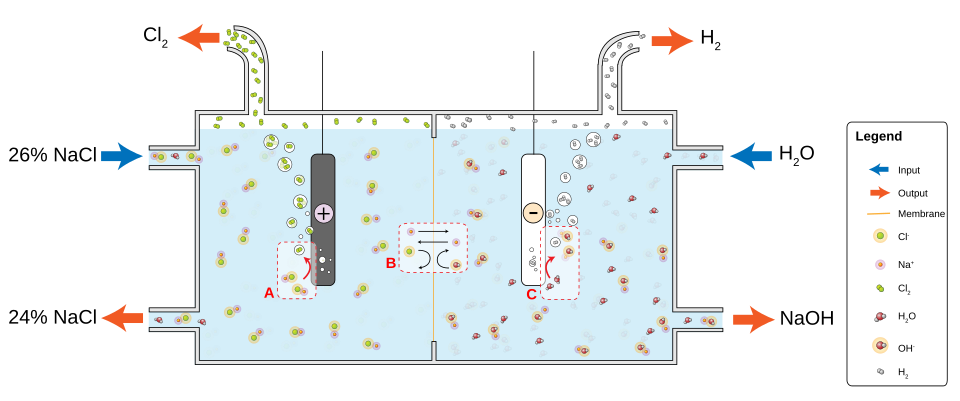
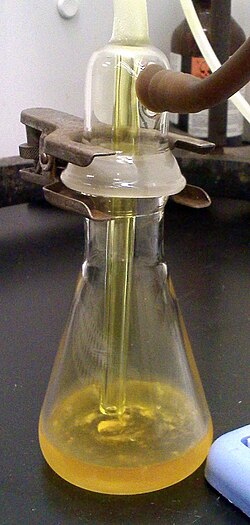
工業的な塩素製造の主流は、食塩水(塩化ナトリウム水溶液)を電気分解する「クロルアルカリ法」です。このプロセスでは、陽極で塩素ガスが、陰極で水素ガスと水酸化ナトリウムが同時に生成されます。製造方式には、水銀電極を用いる方法や、石綿などの隔膜を用いる方法、そして現代的なイオン交換膜を用いるメンブレン法があります。
幅広い応用分野
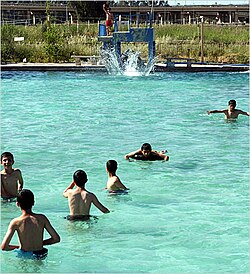
塩素は、その反応性を活かして多方面で利用されています。特に水処理においては、微生物による汚染を防ぐための消毒剤として不可欠です。プールや水道水への添加は、公衆衛生を維持するための標準的な手法となっています。
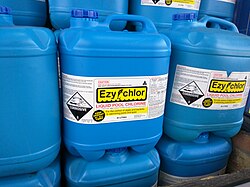
また、有機化学の分野では、カルボン酸を酸塩化物に変換する反応(五塩化リンなどを使用)など、医薬品やプラスチックの合成における重要な中間体として利用されます。
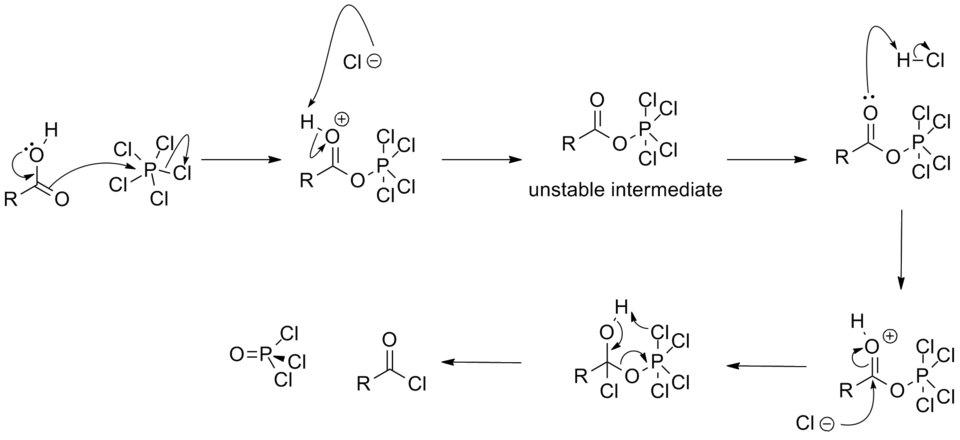
危険性と安全管理
塩素は極めて毒性が強く、吸入すると呼吸器系に深刻なダメージを与えます。このため、NFPA 704(火災ダイヤモンド)などの基準に基づいた厳格な危険物表示が行われています。

材料への影響と腐食
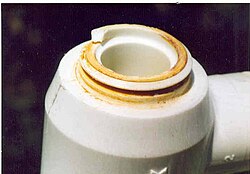
塩素は金属や樹脂に対しても攻撃的な性質を持ちます。特に水分が存在する場合、金属の腐食を加速させます。また、特定の樹脂(アセタール樹脂など)においては、塩素による化学的攻撃が構造的な亀裂や破断を招く事例が報告されています。
軍事利用の歴史
その毒性は不幸にも兵器として利用された歴史があります。第一次世界大戦中、塩素ガスは化学兵器として投入され、多くの犠牲者を出しました。現代においても、一部の紛争地域で塩素を用いた攻撃が報告されており、国際的な監視対象となっています。
塩素の化学的特性まとめ
| 項目 | 詳細・数値 |
|---|---|
| 原子量 | 35.45 ± 0.01 |
| 融点 / 沸点 | -101.5 °C / -34.04 °C |
| 密度 (STP) | 3.2 g/L |
| 主な酸化状態 | -1, +1, +3, +5, +7 |
| 結晶構造 | 斜方晶系 (oS8) |
関連化合物と構造
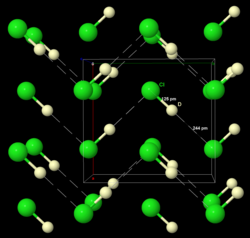
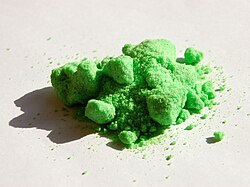
塩素は多様な化合物を作ります。例えば、ニッケル(II)塩化物などの無機塩や、二塩素化七酸化塩素のような酸化物、さらには重水素と結合した固体塩化重水素などの特殊な構造を持つ物質も研究されています。
Frequently Asked Questions
塩素は自然界にそのままの形で存在しますか?
いいえ。塩素は反応性が非常に高いため、単体(Cl2ガス)として自然界に存在することは稀で、通常は塩化ナトリウム(食塩)などの塩化物として存在しています。
水道水の塩素消毒にはどのような仕組みが使われていますか?
塩素が水に溶解すると次亜塩素酸(HOCl)などが生成されます。これが微生物の細胞膜を透過し、内部の酵素やタンパク質を酸化・破壊することで殺菌作用を発揮します。
塩素ガスを吸い込んだ場合の危険性は?
塩素ガスは強い刺激性と毒性を持ち、肺組織に深刻な炎症や浮腫(肺水腫)を引き起こす可能性があります。直ちに新鮮な空気のある場所へ避難し、医療機関を受診する必要があります。
工業的に塩素を製造するメリットは何ですか?
クロルアルカリ法を用いることで、塩素だけでなく、水酸化ナトリウム(苛性ソーダ)と水素という、いずれも工業的に価値の高い3つの物質を同時に効率よく得られるためです。
塩素による「腐食」とは具体的にどのような現象ですか?
塩素が金属表面の保護被膜を破壊し、酸化反応を促進させることで、金属が急速に消耗したり、構造材に亀裂が入ったりする現象を指します。
References
- van Helmont, Joannis Baptistae (1682). Opera omnia [All Works] (in Latin). Frankfurt-am-Main, (Germany): Johann Just Erythropel. From "Complexionum atque mistionum elementalium figmentum." (Formation of combinations and of mixtures of elements), §37, p. 105: Archived 2023-12-30 at the "Accipe salis petrae, vitrioli, & alumnis partes aequas: exsiccato singula, & connexis simul, distilla aquam. Quae nil aliud est, quam merum sal volatile. Hujus accipe uncias quatuor, salis armeniaci unciam junge, in forti vitro, alembico, per caementum (ex cera, colophonia, & vitri pulverre) calidissime affusum, firmato; mox, etiam in frigore, Gas excitatur, & vas, utut forte, dissilit cum fragore." (Take equal parts of saltpeter [i.e., sodium nitrate], vitriol [i.e., concentrated sulfuric acid], and alum: dry each and combine simultaneously; distill off the water [i.e., liquid]. That [distillate] is nothing else than pure volatile salt [i.e., spirit of nitre, nitric acid]. Take four ounces of this [viz, nitric acid], add one ounce of Armenian salt [i.e., ammonium chloride], [place it] in a strong glass alembic sealed by cement ([made] from wax, rosin, and powdered glass) [that has been] poured very hot; soon, even in the cold, gas is stimulated, and the vessel, however strong, bursts into fragments.) From "De Flatibus" (On gases), p. 408 Archived 2023-12-30 at the : "Sal armeniacus enim, & aqua chrysulca, quae singula per se distillari, possunt, & pati calorem: sin autem jungantur, & intepescant, non possunt non, quin statim in Gas sylvestre, sive incoercibilem flatum transmutentur." (Truly Armenian salt [i.e., ammonium chloride] and nitric acid, each of which can be distilled by itself, and submitted to heat; but if, on the other hand, they be combined and become warm, they cannot but be changed immediately into carbon dioxide [note: van Helmont's identification of the gas is mistaken] or an incondensable gas.)
See also:- Helmont, Johannes (Joan) Baptista Van, Encyclopedia.Com Archived 2021-12-18 at the : "Others were chlorine gas from the reaction of nitric acid and sal ammoniac; ... "
- Wisniak, Jaime (2009) "Carl Wilhelm Scheele," Revista CENIC Ciencias Químicas, 40 (3): 165–73; see p. 168: "Early in the seventeenth century Johannes Baptiste van Helmont (1579–1644) mentioned that when sal marin (sodium chloride) or sal ammoniacus and aqua chrysulca (nitric acid) were mixed together, a flatus incoercible (non-condensable gas) was evolved."
📸 フォトギャラリー