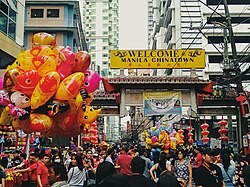
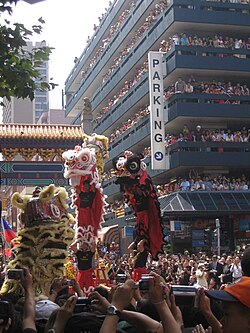
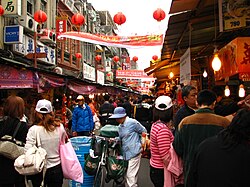
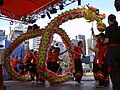
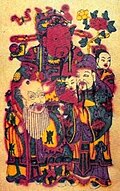
The largest Chinese New Year parade outside Asia, in Chinatown, Manhattan
← ホームへ戻る
春節中国旧正月旧暦十二支紅包

春節(中国旧正月)の伝統と文化世界中で祝われる春の祭典

🗓 2026年8月11日

春節(しゅんせつ)は、太陰太陽暦に基づいた中国の伝統的な新年を祝う祭典であり、「春の祭り」を意味します。中国のみならず、世界各地の華人コミュニティで大切にされており、家族の絆を深め、新しい年の幸福と繁栄を願う最も重要な文化的行事の一つです。2024年には、その社会的慣習がユネスコ無形文化遺産に登録され、世界的な価値が改めて認められました。

この祝祭は、単なるカレンダー上の切り替わりではなく、冬が終わり春が訪れる喜びと、先祖への敬意、そして未来への希望が込められた深い精神的な意味を持っています。
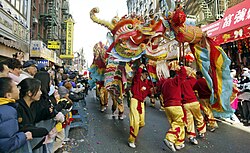
The largest Chinese New Year parade outside Asia, in Chinatown, Manhattan

Key Facts

  • 名称: 春節(Spring Festival)または農暦新年。
  • 日程: 旧太陰太陽暦の1月1日(毎年日付が変動する)。
  • 目的: 新年の始まりを祝い、幸運を呼び込み、悪霊を追い払うこと。
  • 象徴色: 幸福と情熱、魔除けを意味する「赤」が中心。
  • 世界的な広がり: アジア全域から北米、欧州、アフリカまで、世界中のチャイナタウンで祝祭が行われる。

春節の精神的背景と信仰

春節の根底には、中国の民間信仰、儒教、道教、そして仏教などの多様な思想が融合しています。天(上帝)や気、陰陽の概念、そして運命や因果応報といった哲学的な視点が、日々の習慣や儀式に反映されています。

特に先祖崇拝は重要であり、新年の準備期間には先祖の墓に線香を捧げ、祈りを捧げる儀式が行われます。これは、家族のルーツを大切にし、先代の加護を得るための不可欠なプロセスです。
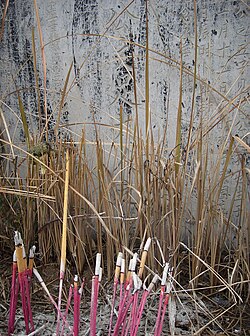
Incense is burned at the graves of ancestors as part of the offering and prayer rituals

また、道教的な観点からは、自然のサイクルに調和し、精神的な浄化を図ることで、新しい年を清らかな状態で迎えることが重視されます。

Zhenkong, "Void of Truth".

伝統的な習慣と象徴的な装飾

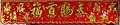
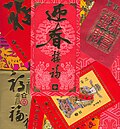
春節が近づくと、街中や家庭内は鮮やかな赤色に染まります。赤は幸運を招き、災いを遠ざける色とされているためです。代表的な装飾の一つに春聯(しゅんれん)があり、これは門の両側に貼られる対句形式の詩で、新年の願いや幸福を記したものです。
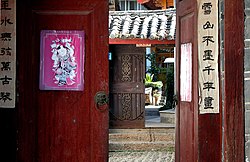
Hand-written Chinese New Year's poetry pasted on the sides of doors leading to people's homes, Lijiang, Yunnan

歴史的には、清朝の乾隆帝が書いた春聯などが宮殿博物館に保管されており、書道を通じた願いの表現は古くからの伝統です。
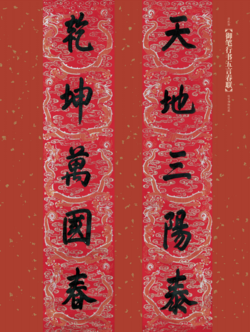
Spring couplets written by the Qianlong Emperor of the Qing dynasty, now stored in The Palace Museum

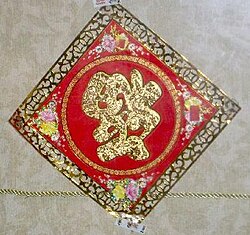
また、切り絵(春の文字など)や、あえて逆さまに貼る「福」の字(福が降りてくることを意味する)など、言葉遊びや視覚的なシンボルを用いて幸運を最大限に引き寄せようとする工夫が見られます。
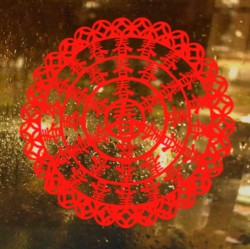
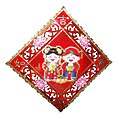
Traditional paper cutting with the character 春 ('spring')

An inverted character fu is a sign of arriving blessings

魔除けと祝祭の音

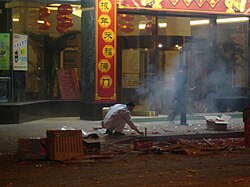
爆竹や花火を鳴らす習慣は、伝説上の怪物「年(ニエン)」を追い払うための伝統から来ています。大きな音と光で邪気を払い、清々しい新年を迎えるための儀式です。
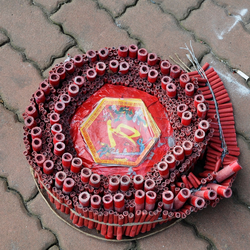
Chinese firecracker

A Chinese man setting off fireworks during Chinese New Year in Shanghai

祝祭のハイライト:イベントと贈り物

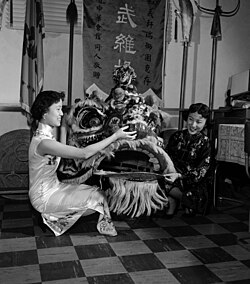
春節の盛り上がりを象徴するのが、ダイナミックな獅子舞龍舞です。これらは繁栄と幸運の象徴であり、世界中のチャイナタウンでパレードとして披露されます。
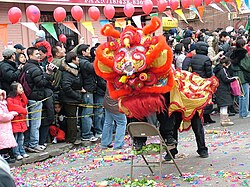
Lion dance in Fuzhou Town, Brooklyn

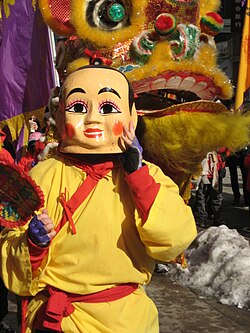
Lion costume for New Year parade, Los Angeles, 1953

また、子供や未婚者に贈られる紅包(ホンバオ/赤い封筒に入れたお年玉)は、金銭的な援助以上の意味を持ち、贈る側から受ける側への幸運の転移を象徴しています。
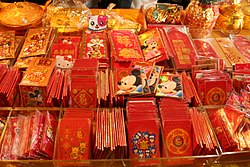
Red packets for sale in a market in Taipei, Taiwan, before the Year of the Rat

贈り物におけるタブー

幸運を願う一方で、避けるべき贈り物(タブー)も存在します。例えば、時計(時間の終わりを連想させる)、ハサミやナイフ(関係の断絶を意味する)、白い花や黒い色の品(葬儀を連想させる)、靴(関係から立ち去ることを意味する)などは、新年には不適切とされています。

食文化:新年の食卓を彩る料理

食事は春節において最も重要な要素の一つです。多くの料理には、その名前にかかった縁起の良い意味が込められています。

春節の代表的な伝統料理と意味
料理名 特徴・意味
餃子(Jiaozi) 形が古銭に似ており、富を招くとされる。
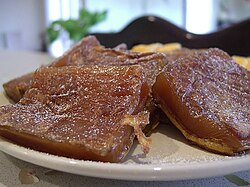
年糕(Niangao) 「年々高く(向上する)」という言葉にかけ、成長と成功を願う。
魚(Yu) 「余る」と同じ発音であり、豊かさが続くことを意味する。
春巻き・麺 長寿や富の象徴として食される。
柑橘類(みかん等) 黄金色をしており、金運や幸運を象徴する。

One version of niangao, New Year rice cake

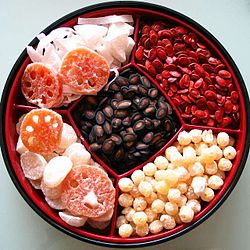
Chinese candy box

世界各地での祝われ方

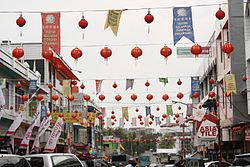
春節は中国国内に留まらず、東南アジア(シンガポール、マレーシア、インドネシア、フィリピン、タイ、ベトナムなど)や、北米、欧州、オセアニアなど世界中で祝われています。地域によって独自の進化を遂げており、例えばインドネシアでは水を掛け合う伝統的な習慣が見られることもあります。
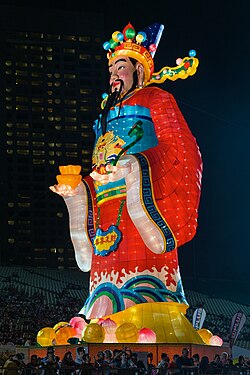
Decorations on the occasion of Chinese New Year – River Hongbao 2016, Singapore

Lanterns hung around Senapelan street, the Pekanbaru Chinatown in Riau, Indonesia

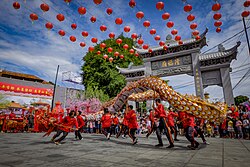
Liong attraction during Chinese New Year in Jakarta, Indonesia

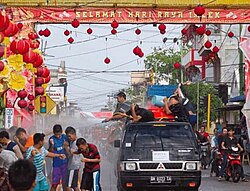
Cian cui (Chinese: 濺水; Pe̍h-ōe-jī: chiān-chúi) is an Indonesian tradition during Chinese New Year, which involves splashing others with water. Photograph taken in Selatpanjang, Riau, Indonesia.

また、ニューヨークやロンドン、バンクーバーなどの大都市では、大規模なパレードが行われ、観光客も含めた多文化的な交流の場となっています。
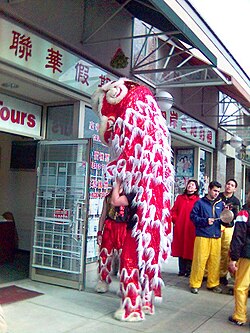
Chinese New Year's celebrations, on the eighth day, in the Metro Vancouver suburb of Richmond, British Columbia, Canada

Chinese New Year festival in Chinatown, Boston

Chinese New Year in Binondo, Manila (2020)

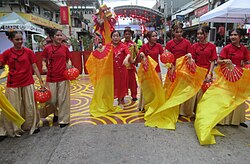
Folk dancers celebrating the 2025 Chinese New Year at Banawe Chinatown in Quezon City

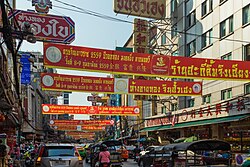
Greeting banners of various companies in the Chinese New Year 2016, Yaowarat

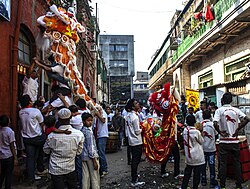
Chinese New Year 2014 Celebration in Kolkata

Melbourne: Chinese New Year in Chinatown

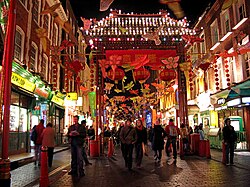
London: Chinatown with Chinese New Year decoration

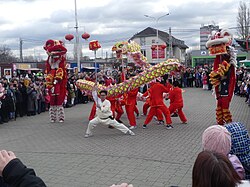
Chinese New Year at Kőbánya, 2024

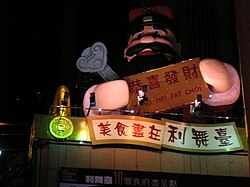
Gong Hei Fat Choi at Lee Theatre Plaza, Hong Kong

中国国内では、この時期に数億人が故郷へ戻る「春運(しゅんうん)」という世界最大規模の人流が発生し、家族で団らんする時間を最優先にする文化が根付いています。
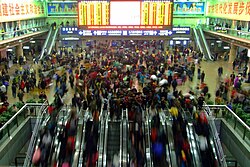
Scene of the 2009 Chunyun period inside Beijing West railway station

植物と装飾のシンボリズム

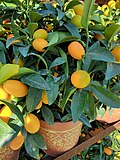
新年の装飾には、特定の意味を持つ植物が使われます。梅の花は幸運を、金柑や水仙は繁栄を象徴し、竹はその強靭さから精神的な強さを表します。また、蘭は豊かさや気品、美しさを象徴するものとして好まれます。
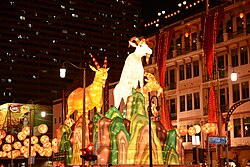
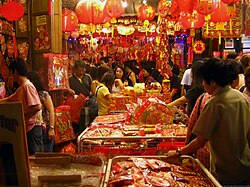
Chinese New Year decorations along New Bridge Road in Singapore

Shoppers at a New Year market in Chinatown, Singapore

Dihua Street market in Taipei during the Chinese New Year

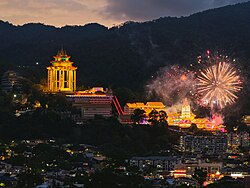
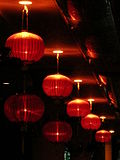
Temple at night illuminated with light from decorations

Frequently Asked Questions

春節の日付はなぜ毎年変わるのですか?

春節は太陽暦(グレゴリオ暦)ではなく、月の満ち欠けに基づいた太陰太陽暦(旧暦)の1月1日に設定されているため、太陽暦に換算すると毎年日付が変動します。

「紅包(ホンバオ)」とは何ですか?

赤い封筒に入れたお金のことです。主に年長者が子供や若者に贈り、新しい年への幸運と祝福を伝える伝統的な習慣です。

春節に避けるべき贈り物はありますか?

はい。時計(時間の終わりを連想させる)、ハサミやナイフ(関係の切断を意味する)、白い花や黒い色の品(葬儀を連想させる)、靴(関係から離れることを意味する)などは、不吉とされるため避けられます。

春節に魚を食べる理由は何ですか?

中国語で「魚(yú)」の発音が「余る(yú)」と同じであるためです。これにより、新しい年も物資やお金が十分にあり、豊かに暮らせるようにという願いが込められています。

春節は中国以外でも祝われていますか?

はい。シンガポール、マレーシア、ベトナムなどのアジア諸国はもちろん、北米や欧州のチャイナタウンなど、世界中の華人コミュニティやその文化に共感する人々によって盛大に祝われています。
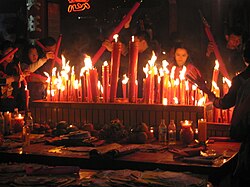
Chinese New Year eve in Meizhou on 8 February 2005

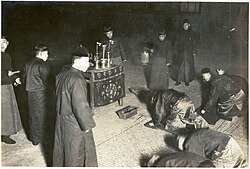
Men gathering to receive the Gods in the Chinese New Year, 1900s

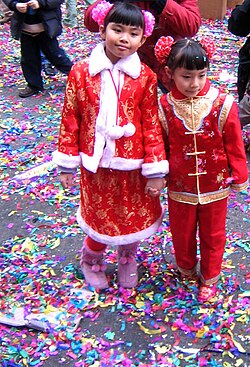
Girls dressed in red (New York)

ภาพประกอบบทความ

ภาพประกอบบทความ

ภาพประกอบบทความ

ภาพประกอบบทความ

ภาพประกอบบทความ

ภาพประกอบบทความ

ภาพประกอบบทความ

References

  1. The next occurrence will be in 2033.
  2. And in extremely rare cases, , such as in 2319, which would be the first occurrence since the .

📸 フォトギャラリー

The largest Chinese New Year parade outside Asia, in Chinatown, Manhattan
Traditional paper cutting with the character 春 ('spring')
Chinese New Year decorations along New Bridge Road in Singapore
Chinese New Year eve in Meizhou on 8 February 2005
Hand-written Chinese New Year's poetry pasted on the sides of doors leading to people's homes, Lijiang, Yunnan
Zhenkong, "Void of Truth".
Spring couplets written by the Qianlong Emperor of the Qing dynasty, now stored in The Palace Museum
Chinese firecracker
Men gathering to receive the Gods in the Chinese New Year, 1900s
Incense is burned at the graves of ancestors as part of the offering and prayer rituals
Chinese New Year's celebrations, on the eighth day, in the Metro Vancouver suburb of Richmond, British Columbia, Canada
One version of niangao, New Year rice cake
Red packets for sale in a market in Taipei, Taiwan, before the Year of the Rat
Shoppers at a New Year market in Chinatown, Singapore
Chinese candy box
A Chinese man setting off fireworks during Chinese New Year in Shanghai
Girls dressed in red (New York)
An inverted character fu is a sign of arriving blessings
Chinese New Year festival in Chinatown, Boston
ภาพประกอบบทความ
ภาพประกอบบทความ
ภาพประกอบบทความ
ภาพประกอบบทความ
ภาพประกอบบทความ
ภาพประกอบบทความ
ภาพประกอบบทความ
Scene of the 2009 Chunyun period inside Beijing West railway station
Dihua Street market in Taipei during the Chinese New Year
Temple at night illuminated with light from decorations
Decorations on the occasion of Chinese New Year – River Hongbao 2016, Singapore
Lanterns hung around Senapelan street, the Pekanbaru Chinatown in Riau, Indonesia
Liong attraction during Chinese New Year in Jakarta, Indonesia
Cian cui (Chinese: 濺水; Pe̍h-ōe-jī: chiān-chúi) is an Indonesian tradition during Chinese New Year, which involves splashing others with water. Photograph taken in Selatpanjang, Riau, Indonesia.
Chinese New Year in Binondo, Manila (2020)
Folk dancers celebrating the 2025 Chinese New Year at Banawe Chinatown in Quezon City
Greeting banners of various companies in the Chinese New Year 2016, Yaowarat
Chinese New Year 2014 Celebration in Kolkata
Melbourne: Chinese New Year in Chinatown
Lion dance in Fuzhou Town, Brooklyn
Lion costume for New Year parade, Los Angeles, 1953
London: Chinatown with Chinese New Year decoration
Chinese New Year at Kőbánya, 2024
Gong Hei Fat Choi at Lee Theatre Plaza, Hong Kong