世界で最も多くの話者数を誇る言語の一つである中国語は、単一の言語というよりも、共通の文字体系を持つ多様な言語群の集合体と言えます。主に中国、台湾、シンガポール、マレーシアなどで話されており、その話者数は2017年から2024年の統計で約13.9億人に達しています。シナ・チベット語族に属し、長い歴史の中で複雑な進化を遂げてきました。
主要な事実(Key Facts)
- 話者数: 約13.9億人(世界最大級の母語話者数)。
- 公用語: 中国、台湾、シンガポールで公用語として採用。
- 文字体系: 漢字(簡体字と繁体字)を基本とし、ピンインなどのローマ字表記を併用。
- 言語構造: 声調(トーン)によって意味が変わる声調言語である。
- 多様性: 標準中国語以外に、広東語や福建語など相互理解が困難な方言群が存在する。
中国語の歴史的変遷と文字の進化
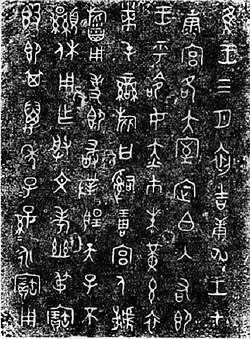
中国語の起源は古く、プロト・シナ・チベット語から始まり、上古中国語、中古中国語を経て現代の形態へと至りました。初期の文字は青銅器に刻まれた銘文などに現れ、時代と共に書体も変化しました。
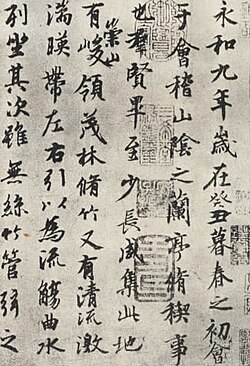
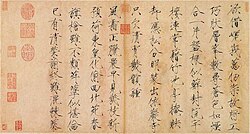
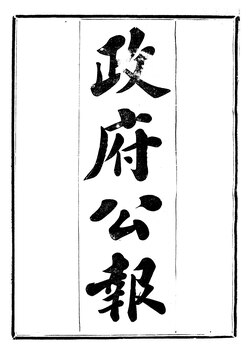
文字の形式は、芸術的な書道としても発展しました。王羲之による行書や、宋代の徽宗皇帝が確立した「痩金体」などは、中国語が単なる伝達手段ではなく、高度な美的芸術として昇華したことを示しています。
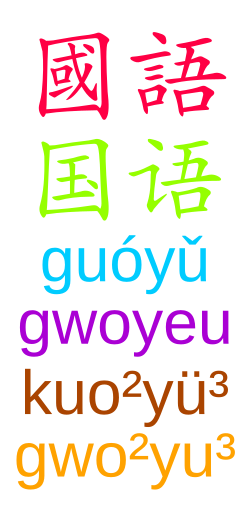
現代では、文字の簡略化が進んだ簡体字(主に中国本土、シンガポールで使用)と、伝統的な形態を維持した繁体字(主に台湾、香港、マカオで使用)の2つの体系が共存しています。
多様な方言と標準中国語の役割
中国語は地理的な広がりから、多くの多様な方言(言語群)に分かれています。代表的なものに、北京語をベースとした官話(マンダリン)、上海語などの呉語、広東語などの粤語、福建語などの閩語、客家語などがあります。これらは音韻的に大きく異なり、話し言葉レベルでは互いに理解できない場合が多くあります。
![Range of dialect groups in China proper and Taiwan according to the Language Atlas of China[44]](/images/4e/61/4e61704534729356e9b5b3c662f392e700e21c71e7920c6447addc7a0f8ab3ca.webp)
このような多様性を統合するため、1930年代に北京方言を基礎とした標準中国語(Standard Chinese)が制定されました。これにより、異なる方言を話す人々が共通して利用できる書き言葉(現代白話文)と話し言葉の基準が確立されました。
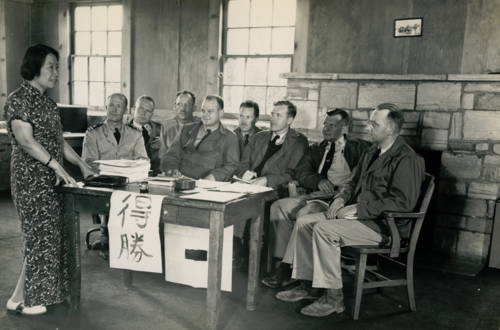
言語的特徴:声調と語彙
中国語の最大の特徴の一つが声調です。同じ音であっても、音の高低や変化(ピッチコンター)によって意味が完全に異なります。例えば、標準中国語では主に4つの声調と軽声が使い分けられています。
また、漢字は単なる文字ではなく、意味を持つ最小単位である「形態素」としての役割を果たします。多くの単語は2つ以上の漢字を組み合わせて構成されており、文字数よりも単語数の方が圧倒的に多くなります。
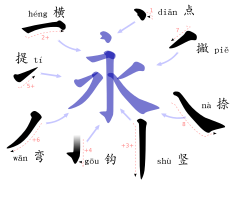
表記法に関しては、漢字の読みをアルファベットで示すピンイン(Hanyu Pinyin)が世界的に普及していますが、台湾では独自の音標文字である注音符号(ボポモフォ)が広く使われています。
中国語の広がりと国際的影響
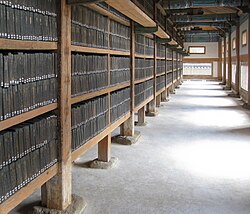
中国語は東アジアの文化圏に多大な影響を与えました。朝鮮半島の経典収集である高麗大蔵経に見られるように、仏教などの伝播と共に漢字文化が広がりました。
現代では、国連の6つの公用語の一つとなっており、世界中で学習者が急増しています。中国政府が実施する中国語能力試験(HSK)の受験者数は、1991年の2,000人から2010年には75万人へと飛躍的に増加しており、国際的な需要の高まりを裏付けています。
中国語の概要まとめ
| 項目 | 詳細 |
|---|---|
| 言語族 | シナ・チベット語族(Sinitic) |
| 主な方言群 | 官話、呉語、粤語、閩語、客家語、湘語、贛語、晋語 |
| 文字体系 | 漢字(簡体字・繁体字)、ピンイン、注音符号 |
| 主要な公用語地域 | 中国、台湾、シンガポール |
| 特徴的な要素 | 声調(トーン)、形態素としての漢字 |
Frequently Asked Questions
標準中国語と広東語は同じ言語ですか?
書き言葉としては共通の漢字体系を用いますが、話し言葉としては文法や発音が大きく異なり、互いに理解し合うことは困難です。言語学的には異なる言語に近い関係にあります。
簡体字と繁体字の違いは何ですか?
簡体字は、識字率向上のために画数を減らして簡略化した文字で、主に中国本土やシンガポールで使われています。繁体字は伝統的な字体で、台湾や香港などで維持されています。
ピンインとは何ですか?
漢字の読み方をアルファベットで表記したローマ字表記法です。主に中国本土で学習やコンピュータ入力に利用されており、世界的な標準となっています。
中国語を習得する上で最も難しい点はどこですか?
多くの学習者にとって、音の高低で意味が変わる「声調」の習得と、数多くの「漢字」の読み書きが最大の挑戦となります。
中国語の文字数には限りがありますか?
古来からの漢字の総数は5万字を超えますが、日常的に使用されるのは約1万字、新聞やメディアで頻繁に登場するのは約3,000字程度と言われています。
References
- lit. ' language'
- lit. 'Chinese writing'
- The colloquial layers of many varieties, particularly Min varieties, reflect features that predate Middle Chinese.
- Standard Chinese is an official language throughout China. Cantonese is a co-official language specifically in Hong Kong and Macao.
- Mandarin, Hakka, and Hokkien
- "Chinese" refers collectively to the various languages that have descended from Old Chinese: the Chinese government's policy is to consider these to be "dialects" of a single language—though the Chinese term 方言; fāngyán; 'dialect' does not carry the precise connotations of "dialect" in English—while linguists typically analyze them as separate languages. See and for details.
- Examples include:Linguists in China often use a formulation introduced by in the : 《汉语在语言系属分类中相当于一个语族的地位。》; "In language classification, Chinese has a status equivalent to a language family."
- David Crystal, The Cambridge Encyclopedia of Language (Cambridge University Press, 1987), p. 312. "The mutual unintelligibility of the varieties is the main ground for referring to them as separate languages."
- Charles N. Li, Sandra A. Thompson. Mandarin Chinese: A Functional Reference Grammar (1989), p. 2. "The Chinese language family is genetically classified as an independent branch of the Sino-Tibetan language family."
- , p. 1, " ... the modern Chinese dialects are really more like a family of languages ... "
- , p. 56, "To call Chinese a single language composed of dialects with varying degrees of difference is to mislead by minimizing disparities that according to Chao are as great as those between English and Dutch. To call Chinese a family of languages is to suggest extralinguistic differences that in fact do not exist and to overlook the unique linguistic situation that exists in China."
- , p. 42 counts Chinese as having 1,277 tonal syllables, and about 398 to 418 if tones are disregarded; he cites Jespersen, Otto (1928) Monosyllabism in English; London, p. 15 for a count of over 8000 syllables for English.
- Using Baxter's transcription for Middle Chinese
- There are plural markers in the language, such as 们; 們; men, used with personal pronouns.
📸 フォトギャラリー