私たちの身の回りで起きているあらゆる現象の根底には、化学反応が存在します。化学反応とは、ある物質が別の物質へと変化するプロセスであり、原子の再配置を通じて新しい化学結合が形成されたり、既存の結合が切れたりすることで進行します。この過程でエネルギーの変化が伴い、元の物質(反応物)とは異なる性質を持つ生成物が作り出されます。
一般的に、化学反応は電子の配置が変わることで起こりますが、原子核そのものは変化しません。一方で、不安定な放射性元素などが関与し、原子核レベルでの変化を伴うものは「核化学」という専門分野で扱われます。
Key Facts
- 反応物と生成物: 反応の開始物質を反応物(試薬)、結果として得られる物質を生成物と呼びます。
- 化学方程式: 反応の過程を記号で表したもので、質量保存の法則に基づき、反応前後の各元素の数は不変です。
- エネルギー変化: 反応に伴い熱や光などのエネルギーが放出または吸収されます。
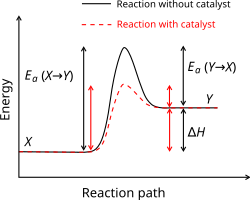
- 触媒の役割: 反応経路を変えることで、活性化エネルギーを下げ、反応速度を加速させます。
化学反応の歴史と理論の変遷
化学物質を人工的に作り出す試みは、中世の錬金術にまで遡ります。例えば、ジャビル・イブン・ハイヤーンによる塩化アンモニウムの合成や、その後の硫酸・硝酸などの鉱酸の製造などが挙げられます。18世紀には、硫酸を大量生産する鉛室法や、炭酸ナトリウムを製造するルブラン法が登場し、化学反応は産業レベルへと発展しました。さらに20世紀初頭には、アンモニアを合成するハーバー・ボッシュ法が開発され、現代社会の基盤を支えることとなりました。
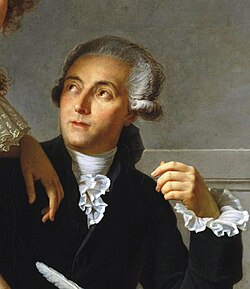
理論面では、かつて燃焼現象を「フロギストン(燃素)」という物質の放出で説明する説が信じられていました。しかし、アントワーヌ・ラヴォアジエが燃焼は酸素との反応であることを突き止めたことで、現代的な化学理論へと移行しました。
反応の分類とメカニズム
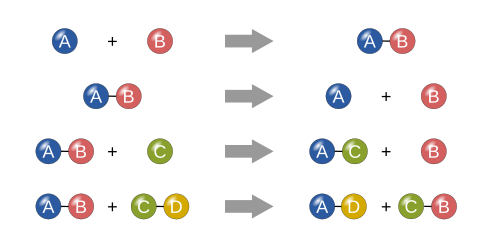
化学反応は、その性質によっていくつかの基本タイプに分類されます。最もシンプルな形式として、複数の物質が結合して一つの物質になる「合成反応」、一つの物質が分かれる「分解反応」、元素が入れ替わる「単置換反応」と「複置換反応」の4つが基本となります。
代表的な反応例
- 分解反応: 水の電気分解により、水素と酸素に分かれる反応などが代表的です。
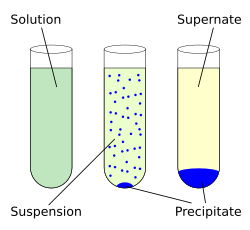
- 複置換反応: 硝酸鉛(II)とヨウ化カリウムが反応し、ヨウ化鉛(II)の沈殿が生じる反応などが挙げられます。
酸化還元反応と燃焼
電子の受け渡しを伴う酸化還元反応(レドックス)は非常に重要です。例えば、ナトリウム金属と塩素ガスが反応して塩化ナトリウム(食塩)が生成される過程がこれに当たります。
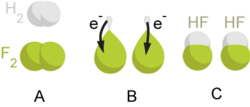
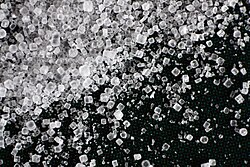
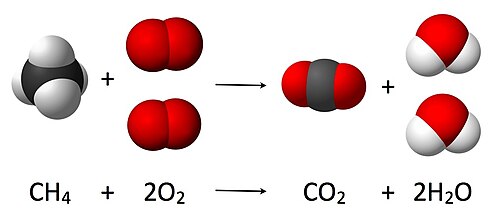
また、物質が酸化剤(主に酸素)と激しく反応し、熱や光を放出する現象を「燃焼」と呼びます。炭化水素の燃焼はエネルギー効率が高く、燃料として広く利用されています。
化学反応を記述する手法
化学反応は「化学方程式」を用いて簡潔に表現されます。方程式では、反応物と生成物の係数を調整することで、反応前後で原子の総数が変わらないように記述します。
反応の判定指標
実験的に化学反応が起きたことを判断する指標には、以下のような変化があります。
- 気体の発生
- 沈殿物の形成
- 温度の変化(吸熱・発熱)
- 色の変化や状態の変化
- 質量の変化
熱力学と反応速度論
反応が自発的に進むかどうかは、自由エネルギー(G)、エンタルピー(H)、エントロピー(S)などの熱力学的パラメータによって決定されます。また、反応がどれくらいの速さで進むかは「反応速度論」で解析され、温度や濃度、触媒の有無が影響を与えます。
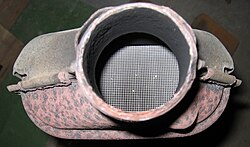
触媒は、反応の最終的な熱力学的結果を変えることなく、より低い活性化エネルギーを持つ新しい経路を提供することで、反応速度を劇的に向上させます。自動車の排気ガス浄化に使用されるセラミック触媒コンバーターなどは、表面積を最大化することで効率を高めています。
高度な化学反応の領域
有機化学反応
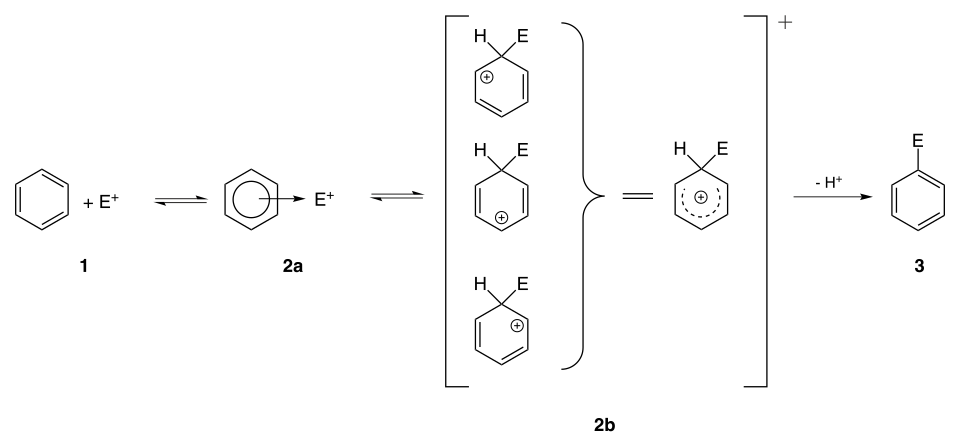
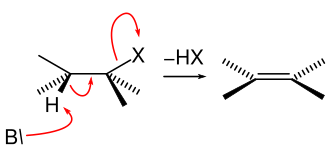
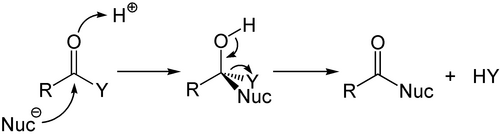
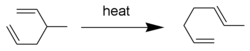
炭素化合物を中心とする有機化学では、置換反応、付加反応、脱離反応などの複雑なメカニズムが存在します。例えば、親電子芳香族置換反応や、光や熱によって構造が変わる異性化反応などが含まれます。



特殊な反応例
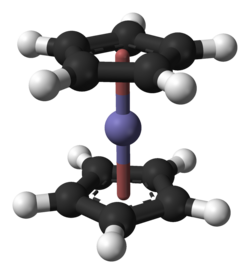
光化学反応では、光エネルギー(hν)によって励起された分子が反応します。パテルノ・ビューキ反応はその一例です。また、金属原子が有機配位子に挟まれたフェロセンのような錯体形成も重要な反応の一種です。

生化学反応
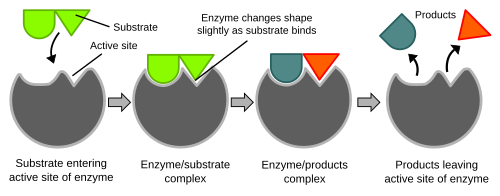
生物体内では、酵素という生物学的触媒が働いています。酵素は「誘導適合モデル」に基づき、基質と精密に結合することで、極めて高い効率で特定の化学反応を促進させます。
産業的応用:テルミット反応
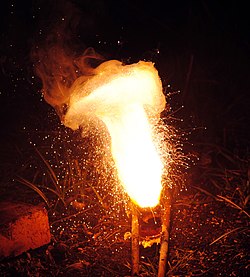
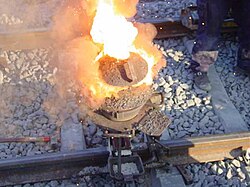
酸化鉄とアルミニウムなどの反応を利用したテルミット反応は、極めて高い熱を発生させ、溶融鉄を作り出します。これは鉄道のレール溶接などの現場で実用的に利用されています。
化学反応のまとめ
| 項目 | 概要 | 具体例・キーワード |
|---|---|---|
| 基本構成 | 反応物 → 生成物 | 化学方程式、質量保存の法則 |
| 基本タイプ | 合成、分解、置換 | 水の電気分解、中和反応 |
| エネルギー制御 | 熱力学・速度論 | 活性化エネルギー、触媒、自由エネルギー |
| 特殊反応 | 酸化還元、光化学、生化学 | 燃焼、光合成、酵素反応 |
Frequently Asked Questions
化学反応と物理変化の違いは何ですか?
化学反応は、物質の化学結合が組み換わり、元の物質とは異なる新しい性質を持つ物質が生成される変化です。一方、物理変化(氷が溶けて水になるなど)は、物質の組成は変わらず、状態や形状のみが変化することを指します。
触媒を使うと何が変わるのですか?
触媒は、反応に必要な「活性化エネルギー」というハードルを下げる役割を果たします。これにより、反応速度が速くなりますが、触媒自体は反応の前後で消費されず、最終的な生成物の量や種類を変えることはありません。
酸化還元反応とは簡単に言うと何ですか?
物質の間で電子の受け渡しが行われる反応のことです。電子を失うことを「酸化」、電子を得ることを「還元」と呼び、これらは常にセットで起こります。燃焼や金属の腐食などがその代表例です。
化学方程式で係数を合わせる必要があるのはなぜですか?
「質量保存の法則」により、化学反応の前後で原子の種類と数は変わらないためです。反応前にある原子の数と、反応後に存在する同じ原子の数を一致させるために、分子の前に係数を付けます。
可逆反応とはどのような反応ですか?
正方向の反応(反応物→生成物)と、逆方向の反応(生成物→反応物)の両方が起こりうる反応のことです。ある条件下で正逆の速度が等しくなった状態を「化学平衡」と呼びます。
References
- , , 5th ed. (the "Gold Book") (2025). Online version: (2006–) "chemical reaction". :10.1351/goldbook.C01033.
- Weyer, J. (1973). "Neuere Interpretationsmöglichkeiten der Alchemie". Chemie in unserer Zeit. 7 (6): 177–181. :10.1002/ciuz.19730070604.
- See (2004). Promethean Ambitions: Alchemy and the Quest to Perfect Nature. Chicago: University of Chicago Press. .
- (1942–1943). Jâbir ibn Hayyân: Contribution à l'histoire des idées scientifiques dans l'Islam. I. Le corpus des écrits jâbiriens. II. Jâbir et la science grecque. Cairo: Institut Français d'Archéologie Orientale. . 468740510.
{{}}: ISBN / Date incompatibility (), vol. II, pp. 41–42. - Karpenko, Vladimír; Norris, John A. (2002). "Vitriol in the History of Chemistry". Chemické listy. 96 (12): 997–1005.
- Friedman, Leonard J.; Friedman, Samantha J. (2008). The History of the Contact Sulfuric Acid Process (PDF). Boca Raton, Florida: Acid Engineering & Consulting, Inc. Archived from the original (PDF) on 2011-07-24.
- Stranges, Anthony N. (2000). "Germany's synthetic fuel industry, 1935–1940". In Lesch, John E. (ed.). The German Chemical Industry in the Twentieth Century. . p. 170. .
- , pp. 34–55.
- , pp. 104–107.
- Myers, Richard (2009). The Basics of Chemistry. . p. 55. .
📸 フォトギャラリー