私たちが日常的に利用している通貨や、ニュースで耳にする金利の変動。これらをコントロールし、国家レベルでの経済的な安定を図っているのが中央銀行です。中央銀行は単なる「銀行の銀行」ではなく、通貨価値の維持や金融システムの崩壊を防ぐという、極めて重要な公共的役割を担っています。
かつては都市レベルの金融機関や限定的な国家銀行から始まったこの仕組みは、時代と共に進化し、現在では世界各国の経済運営に不可欠な機関となりました。本記事では、中央銀行がどのような目的で運営され、具体的にどのような手段を用いて経済をコントロールしているのかを詳しく解説します。
Key Facts
- 主目的:物価の安定、雇用の最大化、および持続的な経済成長の促進。
- 主要機能:通貨の発行、金利の決定、外貨準備の管理、および金融機関への監督。
- 最後の貸し手:金融危機時に民間銀行に資金を供給し、システム崩壊を防ぐ役割。
- 独立性の重要性:政治的圧力から離れて政策を決定することが、低インフレの維持に寄与するとされる。
- 国際基準:バーゼル合意などの枠組みを通じて、世界的に銀行の健全性基準が策定されている。
中央銀行の定義と多様な名称
中央銀行は、その国の通貨発行権を持ち、金融政策を司る唯一の機関です。しかし、国によってその呼び方は異なります。例えば、ベルギーやスイスのように「国立銀行(National Bank)」と呼ぶ国もあれば、ロシアやパキスタンのように「国家銀行(State Bank)」とする国もあります。
また、中国の「人民銀行(People's Bank)」のように政治体制を反映した名称や、シンガポールや香港のように「金融管理局(Monetary Authority)」という名称で、より広範な金融監督権限を持つ形態も見られます。
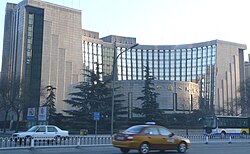
歴史的変遷:都市銀行からグローバル機関へ
中央銀行のルーツは、中世や近世の都市レベルでの決済機関にまで遡ります。バルセロナのTaula de canviのような初期の形態を経て、国家の信用を担保とする国立銀行へと発展しました。

19世紀に入ると、ウォルター・バジョットのような理論家が中央銀行の経済的役割を体系化し、特に危機時における「最後の貸し手」としての機能が重視されるようになりました。

その後、イングランド銀行のような伝統的な機関から、アメリカの連邦準備制度(FRB)のような連邦制を採用した組織、さらには欧州中央銀行(ECB)のような超国家的な機関へと、その形態は多様化しています。


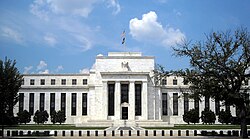


中央銀行が担う主要な業務と機能
中央銀行の任務は多岐にわたりますが、大きく分けると以下の5つの機能に集約されます。
1. 金融政策の遂行
公式金利(政策金利)の設定やマネタリーベース(通貨供給量)の調整を通じて、景気をコントロールします。物価が上がりすぎれば金利を上げ、景気が冷え込めば金利を下げることで、物価の安定を目指します。
2. 金融システムの安定化(最後の貸し手)
民間銀行が一時的な資金不足に陥った際、中央銀行が資金を融通することで、連鎖的な倒産(システムリスク)を防ぎます。これは金融パニックを回避するための極めて重要な機能です。
3. 外貨準備および資産管理
金(ゴールド)や他国通貨などの外貨準備を管理し、為替相場の急激な変動に対処することで、国内経済への影響を最小限に抑えます。
4. 通貨の発行と決済システムの運営
紙幣や硬貨の発行権を独占し、通貨の信頼性を維持します。また、銀行間の資金決済をスムーズに行うためのインフラを管理・監督しています。
5. 銀行監督と規制
民間金融機関が過度なリスクを取らないよう、健全性を監視します。ここでは「バーゼル合意」などの国際的な基準に基づき、自己資本比率などの規制が適用されます。
中央銀行の独立性と経済への影響
現代の金融理論において、中央銀行が政府から独立していることは非常に重要視されています。政治家は選挙対策として短期的には景気を刺激し、通貨を増刷して支出を増やしたい誘惑に駆られやすいためです。
研究によれば、中央銀行の独立性が高い国ほど、長期的なインフレ率が低く抑えられる傾向にあります。政治的な介入を排除し、専門的な知見に基づいて物価安定を優先させることが、経済の健全な成長に繋がると考えられています。
![Central bank independence versus inflation. This often cited[84] research published by Alesina and Summers (1993)[85] is used to show why it is important for a nation's central bank (i.e.-monetary authority) to have a high level of independence. This chart shows a clear trend towards a lower inflation rate as the independence of the central bank increases. The generally agreed upon reason independence leads to lower inflation is that politicians have a tendency to create too much money if given the opportunity to do it.[85] The Federal Reserve System in the United States is generally regarded as one of the more independent central banks.](/images/e4/54/e454cc009dbc42e042e9145f36227a090b02d7d3b5fafba4cb9428a2e2af3981.gif)
しかし、現実には独立性を巡る対立は絶えず、一部の国ではガバナンスを巡る政治的な摩擦が表面化することもあります。
![Octavian Armașu, NBM governor, whose dismissal in 2023 raised concerns about central bank independence in Moldova[98][99][100]](/images/3b/0a/3b0af26b2a3fb5b99742a521bc2c24dc7eec2bfbdc74b88fed5a6c9b3a678945.jpg)
主要な中央銀行の資産規模
世界的に影響力を持つ中央銀行は、膨大な資産を保有し、世界の金融市場を動かしています。
| 順位 | 銀行名 | 本部所在地 | 総資産 (10億米ドル) |
|---|---|---|---|
| 1 | 連邦準備制度 (FRB) | アメリカ | 8,349.17 |
| 2 | 日本銀行 | 東京 | 6,621.18 |
| 3 | 欧州中央銀行 (ECB) | フランクフルト | 6,590.00 |
| 4 | 中国人民銀行 | 北京 | 3,450.00 |
| 5 | ドイツ連邦銀行 | フランクフルト | 3,159.87 |
Frequently Asked Questions
中央銀行が金利を上げると、なぜ物価が下がるのですか?
金利が上がると、企業や個人が銀行からお金を借りるコストが増えるため、投資や消費が抑制されます。その結果、社会全体の需要が減り、物価の上昇圧力(インフレ)が弱まるためです。
「最後の貸し手」とは具体的にどのような役割ですか?
金融危機などで民間銀行が預金者からの払い戻しに追われ、手元の現金が底をついた際、中央銀行が担保を条件に資金を貸し出すことです。これにより、健全な銀行まで巻き込まれて倒産する連鎖を防ぎます。
中央銀行の独立性がなぜ必要なのですか?
政治的な目的で通貨を大量に発行すると、短期的には景気が良くなるかもしれませんが、長期的には激しいインフレを招くリスクがあるためです。専門的な判断で通貨価値を守るために独立性が求められます。
バーゼル合意とは何ですか?
世界中の銀行が共通して守るべき健全性のルールです。具体的には、銀行が損失を吸収できるよう、十分な「自己資本」を保有することを義務付けており、金融システムの安定を図っています。
中央銀行デジタル通貨(CBDC)とは何ですか?
中央銀行が発行するデジタル形式の法定通貨のことです。従来の民間発行の電子マネーとは異なり、中央銀行が価値を保証するため、究極的に安全なデジタル決済手段として世界的に検討が進んでいます。
References
- Compare:Uittenbogaard, Roland (2014). Evolution of Central Banking?: De Nederlandsche Bank 1814–1852. Cham (Switzerland): Springer. p. 4. . Archived from the original on 1 July 2023. Retrieved 3 February 2019.
Although it is difficult to define central banking, ... a functional definition is most useful. ... Capie et al. (1994) define a central bank as the government's bank, the monopoly note issuer and lender of last resort.
- Lucia, Alessi; Eric, Ghysels; Luca, norante; Richard, Peach; Simon, Potter (2014). "Central Bank Macroeconomic Forecasting During the Global Financial Crisis: The European Central Bank and Federal Reserve Bank of New York Experiences". Journal of Business & Economic Statistics. 32 (4): 483–500. :10.1080/07350015.2014.959124. :10419/154121.
- David Fielding, "Fiscal and Monetary Policies in Developing Countries" in The New Palgrave Dictionary of Economics (Springer, 2016), p. 405: "The current norm in OECD countries is an institutionally independent central bank ... In recent years some non-OECD countries have introduced ... a degree of central bank independence and accountability."
- "Public governance of central banks: an approach from new institutional economics" (PDF). The Bulletin of the Faculty of Commerce. 89 (4). March 2007. Archived (PDF) from the original on 9 October 2022.
- Apel, Emmanuel (November 2007). "1". Central Banking Systems Compared: The ECB, The Pre-Euro Bundesbank and the Federal Reserve System. Routledge. p. 14. .
- "Ownership and independence of FED". Board of Governors of the Federal Reserve System. Archived from the original on 25 March 2020. Retrieved 29 September 2013.
- Binder, Sarah A.; Spindel, Mark (2017). The Myth of Independence: How Congress Governs the Federal Reserve. Princeton Oxford: Princeton University Press. .
- Scholvinck, Johan. "Making the Case for the Integration of Social and Economic Policy". UN Division for Social Policy and Development. Archived from the original on 18 November 2007.
- Inskeep, Steve (24 June 2022). "The Fed's latest interest rate hike has some congressional lawmakers worried". NPR. Archived from the original on 11 March 2023. Retrieved 11 March 2023.
📸 フォトギャラリー