地球温暖化の主因となる大気中の二酸化炭素(CO2)を削減し、気候変動を抑制するための重要な戦略が炭素固定(カーボンセクエストレーション)です。これは、大気中の炭素を特定の「炭素プール」に長期間貯蔵することで、地球全体の炭素サイクルを安定させるプロセスを指します。
炭素固定は大きく分けて、自然の生態系を利用した「生物学的固定」と、技術的に地下へ封じ込める「地質学的固定」の2つのアプローチに分類されます。
![Geologic and biologic carbon sequestration of excess carbon dioxide in the atmosphere emitted by human activities[1]](/images/1d/e1/1de12c141bd7eb73cb907c7f702bca7b45071dea02c1e7cfacda094efb8333e3.webp)
Key Facts
- 炭素固定とは:大気中のCO2を吸収し、生物量や地層などの貯蔵庫に固定するプロセス。
- 生物学的固定:植物の光合成などを通じて、森林、湿地、海洋生態系に炭素を蓄える。
- 地質学的固定:CCS(炭素回収・貯留)技術を用い、地下深層や海底の岩層にCO2を封じ込める。
- リスク要因:森林火災や病害、政治的要因により、固定された炭素が再び大気中に放出される可能性がある。
- ブルーカーボン:マングローブや海草など、海洋生態系による炭素固定の重要性が高まっている。
生物学的炭素固定:自然の力を活用した吸収
生物学的固定(バイオセクエストレーション)は、地球の自然な炭素サイクルの一部です。植物が成長過程でCO2を吸収し、それをバイオマス(生物量)として体内に取り込むことで実現します。
陸上生態系による固定
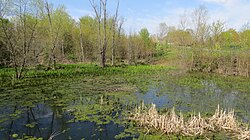
森林は代表的な炭素吸収源であり、樹木が成長することで大量の炭素を蓄えます。また、湿地や泥炭地、草原などの生態系も重要な役割を担っています。特に農業分野では、土地利用や農法を工夫して土壌への炭素貯留を促進するカーボンファーミングという取り組みが進んでいます。
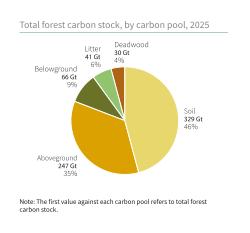
![Proportion of carbon stock in forest carbon pools, 2020[22]](/images/5a/67/5a67a0688f79a790feb0b2a07dd1fd1d45bc99c02e5a5e6c14a28813c61cfc22.webp)
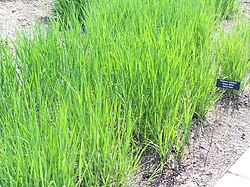
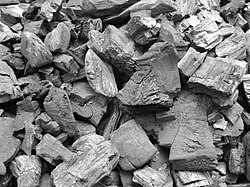
土壌の炭素貯留を強化する手法として、バイオ炭(Biochar)の活用や、特定の草本類(スイッチグラスなど)の栽培が有効とされています。
海洋生態系と「ブルーカーボン」
海洋は巨大な炭素吸収源です。プランクトンによる光合成や、海草、マングローブ、塩生湿地などの沿岸植生による固定は「ブルーカーボン」と呼ばれ、非常に効率的な貯蔵能力を持つことが知られています。
![Global distribution of blue carbon (rooted vegetation in the coastal zone): tidal marshes, mangroves and seagrasses.[59]](/images/68/cb/68cb4a94fd88bc9e4cd5854bcc5d72116817234ed4ba9f8028421be7487004d9.jpg)
また、ケルプ(大型褐藻)などの海藻類による固定や、海洋微生物が関与する生物ポンプなどのメカニズムを通じて、炭素は深海へと運ばれます。
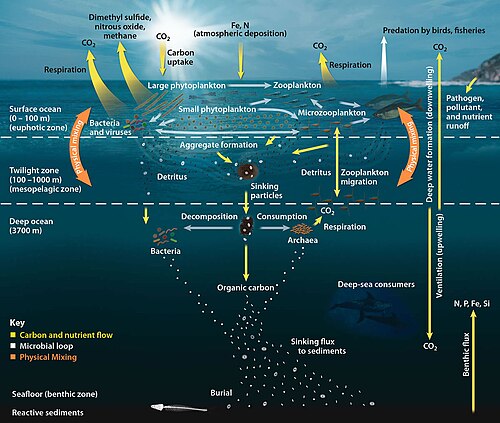
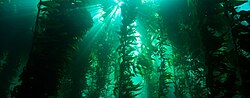
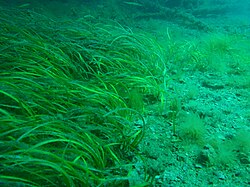
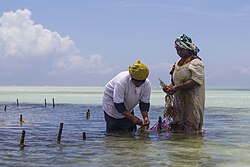
かつては鉄分を散布してプランクトンの増殖を促す「海洋施肥」などの手法も検討されましたが、現在は積極的な追求は行われていません。
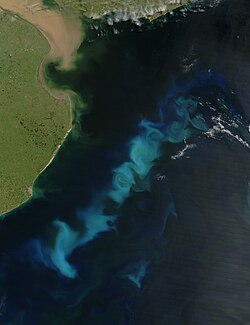
地質学的炭素固定:技術による永続的な貯留
自然のサイクルに頼らず、人為的にCO2を回収して地下に封じ込める手法が地質学的固定です。これは一般にCCS(Carbon Capture and Storage)と呼ばれます。
具体的には、工場などで排出されたCO2を回収し、地下深層の塩水帯水層や枯渇した油田・ガス田などに圧入します。さらに、CO2を鉱物と反応させて岩石化させる「鉱物固定(ミネラルカーボン化)」という手法もあり、これにより炭素を半永久的に安定した状態で保存することが可能です。
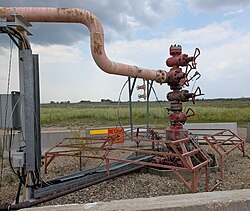
炭素固定手法の比較まとめ
| 分類 | 主な手法・場所 | メカニズム | 特徴・リスク |
|---|---|---|---|
| 生物学的(陸上) | 森林、農地、泥炭地 | 光合成によるバイオマス蓄積 | 導入が容易だが、火災等で再放出のリスクあり |
| 生物学的(海洋) | マングローブ、海草、海藻 | ブルーカーボン、生物ポンプ | 高い貯留効率を持つが、生態系維持が必要 |
| 地質学的 | 深層岩盤、塩水帯水層 | CCS技術による圧入・貯留 | 長期的な安定性が高いが、コストと技術が必要 |
| 化学的/鉱物的 | 玄武岩などの岩石 | 化学反応による鉱物化 | 極めて安定した固定が可能 |
Frequently Asked Questions
炭素固定と炭素吸収の違いは何ですか?
炭素吸収は単にCO2を取り込むプロセスを指しますが、炭素固定は取り込んだ炭素を「プール」として長期間、あるいは永続的に貯蔵し、大気に戻さないようにすることを強調した概念です。
なぜ森林による固定は「一時的」と言われるのですか?
樹木に蓄えられた炭素は、森林火災が発生したり、病害虫で枯死したり、あるいは伐採されて分解されたりすると、再びCO2として大気中に放出されてしまうためです。
ブルーカーボンとは具体的に何を指しますか?
マングローブ林、海草藻場、塩生湿地などの沿岸生態系によって吸収・固定される炭素のことです。これらの生態系は単位面積あたりの炭素貯留能力が非常に高いことが特徴です。
CCS(炭素回収・貯留)は安全に運用できるのでしょうか?
適切な地質調査に基づき、遮蔽性の高い岩層に注入することで安全に貯留することが可能です。また、鉱物化させることで岩石に変える手法を用いれば、漏出のリスクをさらに低減できます。
カーボンファーミングとはどのような取り組みですか?
農業において、カバークロップ(被覆作物)の導入や不耕起栽培などを取り入れることで、作物の成長や土壌微生物の働きを通じて、土壌中により多くの炭素を蓄えようとする農法のことです。
References
- "CCS Explained". UKCCSRC. Archived from the original on June 28, 2020. Retrieved June 27, 2020.
- (2021). Masson-Delmotte, V.; Zhai, P.; Pirani, A.; Connors, S. L.; et al. (eds.). Climate Change 2021: The Physical Science Basis (PDF). Contribution of Working Group I to the of the Intergovernmental Panel on Climate Change. Cambridge University Press (In Press). Archived (PDF) from the original on June 5, 2022. Retrieved June 3, 2022.
- "What is carbon sequestration? | U.S. Geological Survey". www.usgs.gov. Archived from the original on February 6, 2023. Retrieved February 6, 2023.
- Myles, Allen (September 2020). "The Oxford Principles for Net Zero Aligned Carbon Offsetting" (PDF). Archived (PDF) from the original on October 2, 2020. Retrieved December 10, 2021.
- Renforth, Phil; Henderson, Gideon (June 15, 2017). "Assessing ocean alkalinity for carbon sequestration". Reviews of Geophysics. 55 (3): 636–674. :2017RvGeo..55..636R. :10.1002/2016RG000533. 53985208. Retrieved March 3, 2024.
- Duarte, Carlos M.; Wu, Jiaping; Xiao, Xi; Bruhn, Annette; Krause-Jensen, Dorte (2017). "Can Seaweed Farming Play a Role in Climate Change Mitigation and Adaptation?". Frontiers in Marine Science. 4. :2017FrMaS...4..100D. :10.3389/fmars.2017.00100. :10754/623247. 2296-7745.
- Froehlich, Halley E.; Afflerbach, Jamie C.; Frazier, Melanie; Halpern, Benjamin S. (September 23, 2019). "Blue Growth Potential to Mitigate Climate Change through Seaweed Offsetting". Current Biology. 29 (18): 3087–3093.e3. :2019CBio...29E3087F. :10.1016/j.cub.2019.07.041. 0960-9822. 31474532.
- Bindoff, N. L.; Cheung, W. W. L.; Kairo, J. G.; Arístegui, J.; et al. (2019). "Chapter 5: Changing Ocean, Marine Ecosystems, and Dependent Communities" (PDF). IPCC Special Report on the Ocean and Cryosphere in a Changing Climate. pp. 447–587. Archived (PDF) from the original on May 28, 2020. Retrieved February 9, 2023.
- IPCC, 2021: Annex VII: Glossary Archived June 5, 2022, at the [Matthews, J.B.R., V. Möller, R. van Diemen, J.S. Fuglestvedt, V. Masson-Delmotte, C. Méndez, S. Semenov, A. Reisinger (eds.)]. In Climate Change 2021: The Physical Science Basis. Contribution of Working Group I to the Sixth Assessment Report of the Intergovernmental Panel on Climate Change Archived August 9, 2021, at the [Masson-Delmotte, V., P. Zhai, A. Pirani, S.L. Connors, C. Péan, S. Berger, N. Caud, Y. Chen, L. Goldfarb, M.I. Gomis, M. Huang, K. Leitzell, E. Lonnoy, J.B.R. Matthews, T.K. Maycock, T. Waterfield, O. Yelekçi, R. Yu, and B. Zhou (eds.)]. Cambridge University Press, Cambridge, United Kingdom and New York, NY, US, pp. 2215–2256 :10.1017/9781009157896.022
- McPherson, Brian J.; Sundquist, Eric T. (2009). McPherson, Brian J.; Sundquist, Eric T. (eds.). "Carbon Sequestration and Its Role in the Global Carbon Cycle". Geophysical Monograph Series. 183. :2009GMS...183.....M. :10.1029/gm183. . 0065-8448.
{{}}: CS1 maint: periodical has ISBN ()
📸 フォトギャラリー