20世紀から21世紀にかけて、音楽という枠組みを超えて文化的なアイコンとなった人物がボブ・ディランです。彼は単なるミュージシャンではなく、詩人として、そして社会の代弁者として、時代の精神を楽曲に刻み込んできました。そのキャリアは絶え間ない変化の連続であり、既存のジャンルに縛られることを拒み続けた挑戦の歴史でもあります。
ミネソタ州ヒビングの静かな環境で育った彼は、若き日に音楽への情熱を燃やし、やがてニューヨークへと舞台を移します。そこから彼の伝説的な旅が始まりました。

Key Facts
- ノーベル文学賞受賞: 2016年、楽曲における詩的な表現が評価され、音楽家として史上初めて文学賞を受賞しました。
- 音楽的転換: アコースティックなフォークからエレクトリック・サウンドへの移行により、音楽シーンに衝撃を与えました。
- 膨大な作品群: 1960年代初頭から現在に至るまで、数多くのスタジオアルバムとライブ盤をリリースし続けています。
- 社会的影響: 1960年代の公民権運動やプロテストソングの象徴となり、時代の転換点を音楽で表現しました。
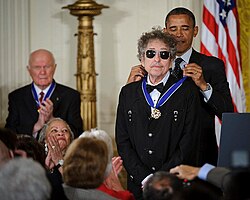
- 最高栄誉の受章: オバマ大統領より大統領自由勲章を授与されるなど、国家レベルでの功績も認められています。
音楽的進化の歩み:フォークからエレクトリック、そしてその先へ
1960年代:スターダムと衝撃の転換
1960年代初頭、ニューヨークに拠点を置いたディランは、鋭い社会批判を込めたプロテストソングで急速に支持を広げました。ジョーン・バエズらと共に活動し、公民権運動の象徴的な存在となったこの時期、彼は「時代の代弁者」としての地位を確立します。
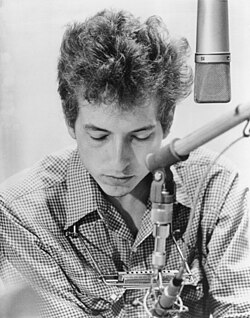
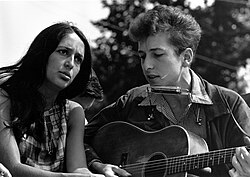
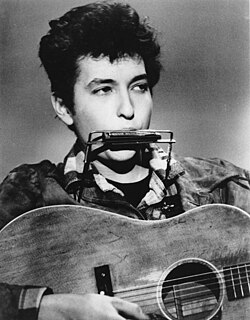
しかし、彼は一つのイメージに固定されることを嫌いました。1965年頃からは、それまでのアコースティックなスタイルを捨て、エレキギターを導入したロックサウンドへと大胆に転向します。この「エレクトリックへの移行」は当時のファンに衝撃を与えましたが、同時にポピュラー音楽の表現領域を劇的に広げることとなりました。
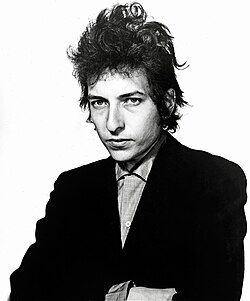
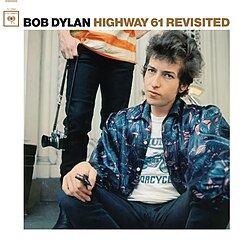
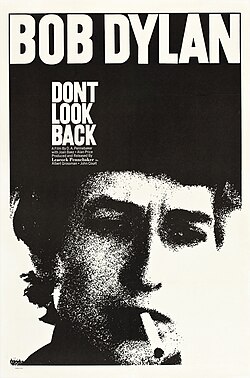
この時代の彼の活動は、ドキュメンタリー映画『ドント・ルック・バック』にも記録されており、音楽ビデオの先駆けとも言える映像作品も制作されました。
1970年代から80年代:多様な探求と変動
1970年代に入ると、ディランは再びツアー活動を再開します。ザ・バンドとの共演や、キリスト教的なテーマを追求したゴスペル期など、精神的な探求を音楽に反映させました。1970年代半ばには、内省的な傑作『Blood on the Tracks』を世に送り出しています。
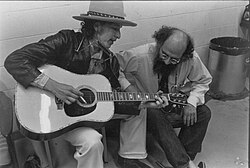
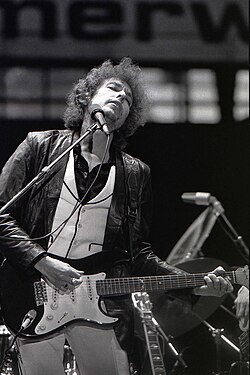
1980年代はキャリアにおける変動期となりましたが、それでもなお新しいサウンドへの挑戦を続け、多様な音楽的アプローチを試行錯誤した時代でした。
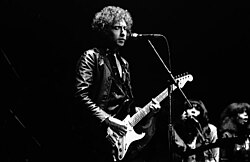
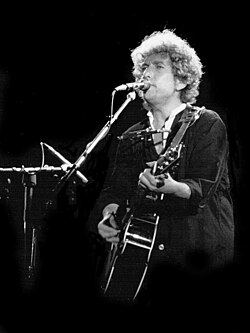
1990年代から現代まで:成熟と不朽の創造性
1990年代後半になると、再びフォークの精神に立ち返り、音楽的な再評価が進みます。2000年代以降も、映画音楽でのオスカー受賞や回想録の出版など、活動の幅を広げました。2010年代には『Tempest』などの作品をリリースし、2020年代に入っても『Rough and Rowdy Ways』のような力強い作品を世に送り出しています。
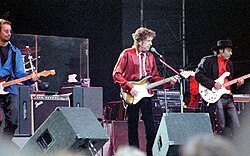

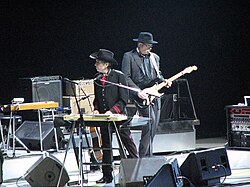
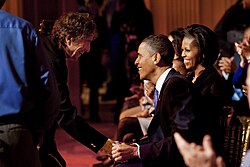
近年では、ホワイトハウスでの演奏や、大統領自由勲章の受章など、アメリカ文化における至宝としての扱いを受けています。
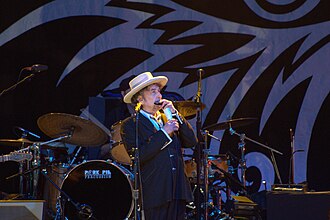
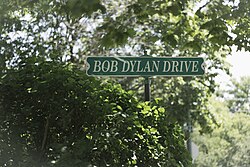
彼のルーツであるヒビングの街には、今も彼を称える標識が立ち、世界中の人々がその足跡を辿っています。
ボブ・ディランの主要キャリアまとめ
| 期間 | 主な音楽的特徴・出来事 | 代表的な方向性 |
|---|---|---|
| 1960–1962 | ニューヨーク移住、初期の成功 | 伝統的フォーク |
| 1963–1965 | プロテストソングの流行 | 社会批判・公民権運動 |
| 1965–1969 | エレキギターの導入、ロックへの転向 | サイケデリック・ロック |
| 1970–1979 | ツアー再開、キリスト教音楽への傾倒 | ゴスペル・内省的フォーク |
| 1980–1989 | 音楽的な試行錯誤と変動 | 多様なポップス・ロック |
| 1990–1999 | フォークへの回帰と再評価 | 成熟したシンガーソングライター |
| 2000–現在 | ノーベル文学賞受賞、継続的な録音 | 文学的アプローチ・晩年の探求 |

Frequently Asked Questions
ボブ・ディランがノーベル文学賞を受賞したのはなぜですか?
彼が楽曲の歌詞において、偉大なアメリカン・ソングの伝統を創造し、新しい詩的表現を切り拓いたことが高く評価されたためです。音楽を「文学」として認めた画期的な受賞となりました。
「エレクトリックへの転向」とは具体的にどのようなことですか?
それまでアコースティックギターとハーモニカを中心としたフォークスタイルで活動していたディランが、1965年頃からエレキギターとバンド編成を取り入れたことです。これは当時のフォーク純粋主義者から激しい反発を受けましたが、ロック音楽の芸術性を高める転換点となりました。
ディランの音楽が社会に与えた影響は何ですか?
1960年代の公民権運動などの社会不安の中で、鋭い洞察力を持った歌詞を通じて人々に問いかけ、音楽が単なる娯楽ではなく、社会を変えるための強力なメッセージツールになり得ることを証明しました。
彼は現在も音楽活動を続けているのでしょうか?
はい。2020年の『Rough and Rowdy Ways』をはじめ、現在もアルバムのリリースやワールドツアーを継続しており、絶えず新しい表現を追求し続けています。
References
- According to Dylan biographer , Dylan first confided his change of name to his high school girlfriend, Echo Helstrom, in 1958, telling her that he had found a "great name, Bob Dillon". Shelton surmises that Dillon had two sources: was the hero of the TV western ; Dillon was also the name of one of Hibbing's principal families. While Shelton was writing Dylan's biography in the 1960s, Dylan told him, "Straighten out in your book that I did not take my name from Dylan Thomas. Dylan Thomas's poetry is for people that aren't really satisfied in their bed, for people who dig masculine romance." At the University of Minnesota, Dylan told a few friends that Dillon was his mother's maiden name, which was untrue. He later told reporters that he had an uncle named Dillon. Shelton added that only when he reached New York in 1961 did he begin to spell his name "Dylan", by which time he was acquainted with the life and work of Dylan Thomas. Shelton (2011), pp. 44–45.
- In a May 1963 interview with , Dylan broadened the meaning of the song, saying "the pellets of poison flooding the waters" refers to "the lies people are told on their radios and in their newspapers." Cott (2006), p. 8.
- The title "Spokesman of a Generation" was viewed by Dylan with disgust in later years. He came to feel it was a label the media had pinned on him, and in his autobiography, , Dylan wrote: "The press never let up. Once in a while I would have to rise up and offer myself for an interview so they wouldn't beat the door down. Later an article would hit the streets with the headline 'Spokesman Denies That He's A Spokesman.' I felt like a piece of meat that someone had thrown to the dogs." Dylan (2004), p.119
- In an interview with Seth Goddard for Life (July 5, 2001) Ginsberg said Dylan's technique had been inspired by : "(Dylan) pulled from my hand and started reading it and I said, 'What do you know about that?' He said, 'Somebody handed it to me in '59 in St. Paul and it blew my mind.' So I said 'Why?' He said, 'It was the first poetry that spoke to me in my own language.' So those chains of flashing images you get in Dylan, like 'the motorcycle black Madonna two-wheeled gypsy queen and her silver- studded phantom lover,' they're influenced by Kerouac's chains of flashing images and spontaneous writing, and that spreads out into the people". Schumacher, Michael, ed. (2017). First Thought: Conversations with Allen Ginsberg. U of Minnesota Press. pp. 322–. .
- Later recorded by , whose version Dylan acknowledged as definitive.
- Dylan told Gilmore: "As far as Henry Timrod is concerned, have you even heard of him? Who's been reading him lately? And who's pushed him to the forefront? ... And if you think it's so easy to quote him and it can help your work, do it yourself and see how far you can get. Wussies and pussies complain about that stuff. It's an old thing—it's part of the tradition."
📸 フォトギャラリー