夜空に浮かぶ美しい満月。その中でも、特に希少な現象として語られるのがブルームーンです。「めったに起こらないこと」の代名詞として使われるこの言葉ですが、実は天文学的な定義は一つではありません。現代で一般的に信じられている意味から、歴史的な誤解、そして実際に月が青く見える現象まで、その正体を詳しく紐解いていきましょう。
Key Facts
- 定義の多様性:「1ヶ月に2回ある満月の2回目」または「1つの季節に4回ある満月の3回目」を指す。
- 色の正体:名称に反して、暦上のブルームーンで月の色が変わることはない。
- 視覚的な青色:火山噴火などの大気現象により、稀に物理的に青く見えることがある。
- 由来:現代の定義は1946年の誤解から広まった「現代のアメリカ民俗学」的な側面が強い。
ブルームーンの3つの異なる意味
ブルームーンという言葉は、文脈によって全く異なる3つの意味で使われています。
1. 暦上の定義(月間ブルームーン)
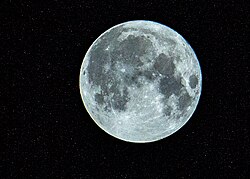
現在最も普及している定義で、1つの暦月(カレンダー上の1ヶ月)に2回満月がある場合の2回目の満月を指します。これは1946年にアマチュア天文学者のジェームズ・ヒュー・プルエット氏が提唱した解釈が広まったものです。
2. 季節上の定義(伝統的ブルームーン)
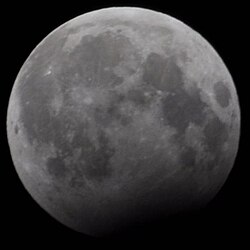
本来の「伝統的」とされる定義では、1つの季節(春・夏・秋・冬)に4回満月がある場合の3回目の満月をブルームーンと呼びます。これは「メイン州農夫暦(Maine Farmers' Almanac)」に基づいたルールであり、天文学的な季節の区切りを用いて計算されます。
3. 視覚的な青い月
極めて稀に、月が物理的に青く見えることがあります。これは天文学的な周期ではなく、地球の大気状態によるものです。例えば、メキシコのエル・チチョン火山(1983年)やセント・ヘレンズ山(1980年)、ピナトゥボ山(1991年)などの大規模な噴火後、大気中に放出された粒子が特定の光を散乱させることで、月が青みがかって見える現象が報告されています。
![An ESA radio telescope located at the New Norcia Station, Western Australia, tracking the "super blue moon" of August 30, 2023. The blue colour is an effect of the camera.[25]](/images/2e/97/2e97bf673123fedeb97ac18e47a5706f85ebae65d23051172797e409fe3bf67b.gif)
言葉の起源と「誤解」の歴史
「ブルームーン」という表現自体は、古くは19世紀初頭から「非常に長い時間がかかること」を意味する比喩として使われていました。オックスフォード英語辞典(OED)によれば、1821年の文献に既にその形跡が見られます。
一方で、天文学的な定義の混乱は、1937年の「メイン州農夫暦」の記事を、1946年にプルエット氏が誤って解釈し、雑誌『Sky & Telescope』に掲載したことから始まりました。この「1ヶ月に2回ある満月の2回目」という誤った解釈が、1980年代のラジオ番組やクイズゲーム『トリビア・パースート』を通じて急速に普及し、現代の一般的な認識として定着したと考えられています。
ブルームーンが発生する仕組み
なぜ1ヶ月に2回、あるいは1つの季節に4回も満月が起こるのでしょうか。その理由は、月の満ち欠けの周期(約29.53日)と、地球の暦(1年約365.24日)のズレにあります。
1年間の日数を月の周期で割ると約12.37回となり、毎年約11日の余りが生じます。この余りが蓄積することで、2〜3年に一度、1年の中に13回の満月が発生します。この「13回目」の満月が、特定の月や季節に重複して現れるため、ブルームーンという現象が起こるのです。
| 定義の種類 | 条件 | 由来・根拠 | 発生頻度 |
|---|---|---|---|
| 月間(プルエット定義) | 1ヶ月に2回目の満月 | 1946年の誤解・現代民俗学 | 平均約32.5ヶ月に1回 |
| 季節的(メイン州定義) | 1季節(4回中)の3回目 | メイン州農夫暦 | 不定期(季節の区切りに依存) |
| 視覚的 | 大気粒子による光の散乱 | 火山噴火などの自然災害 | 極めて稀 |
Frequently Asked Questions
ブルームーンは本当に青い色をしていますか?
いいえ、暦上の定義によるブルームーンは、見た目は通常の満月と同じ白色や黄色です。物理的に青く見えるのは、火山灰などの大気現象が起きた時のみです。
ブルームーンはどれくらいの頻度で起こりますか?
月間ブルームーンの場合、平均して約2.7年(約32.5ヶ月)に一度のペースで発生します。
「伝統的な定義」とはどちらのことですか?
本来は「1つの季節に4回満月がある場合の3回目」とするメイン州農夫暦の定義が伝統的とされていますが、現在は「1ヶ月に2回ある満月の2回目」という定義の方が一般的です。
ブルームーンとスーパームーンは違うものですか?
全く異なります。ブルームーンは「発生するタイミング(回数)」に関する名称であり、スーパームーンは「月が地球に最も接近し、大きく見えること」という距離に関する現象です。稀に両方の条件が重なり、「スーパーブルームーン」と呼ばれることがあります。
ブルームーンの由来はネイティブアメリカンにあるのでしょうか?
いいえ、それは誤解です。ブルームーンの定義は、1930年代以降の農夫暦や天文学者の解釈から生まれたものであり、先住民の伝統とは関係ありません。
References
- "blue moon, n." Oxford English Dictionary. Oxford University Press. September 2023. Retrieved May 3, 2024.
- Dobrijevic, Daisy (January 13, 2024). "Blue Moon: What is it and when is the next one?". space.com. Retrieved May 4, 2024.
A seasonal Blue Moon is the traditional definition of a Blue Moon and refers to the third full moon in a season that has four full moons according to NASA.
- Hannikainen, Diana (August 29, 2023). "The Moon is "Blue" this Wednesday... Or is it?". Sky & Telescope. Retrieved May 8, 2024.
The 1937 Maine Farmer's Almanac reveals the traditional meaning of "Blue Moon."
- "What is a blue moon? Is the moon ever really blue?". Library of Congress. September 19, 2019. Retrieved May 4, 2024.
So, 'blue moon' as most of us today know it, is modern American folklore, but with a long interesting history involving calendars and the measuring of the year. Still, no matter what meaning you give it, blue moons are pretty rare, and everyone knows what you mean when you say "once in a blue moon!"
- "What is a Blue Moon". Sky and Telescope. July 27, 2006. Retrieved May 7, 2024.
Some three years later, in March 1946, an article entitled "Once in a Blue Moon" appeared in Sky & Telescope (page 3). Its author, James Hugh Pruett (1886-1955), was an amateur astronomer living in Eugene, Oregon, and a frequent contributor to Sky & Telescope. Pruett wrote on a variety of topics, especially fireball meteors. In his article on Blue Moons, he mentioned the 1937 Maine almanac and repeated some of Lafleur's earlier comments. Then he went on to say, "Seven times in 19 years there were — and still are — 13 full moons in a year. This gives 11 months with one full moon each and one with two. This second in a month, so I interpret it, was called Blue Moon."
- Barbuzano, Javier (January 1, 2023). "Native American Full Moon Names". Sky & Telescope. Retrieved May 20, 2024.
While this name is not Native American, it is included here for completeness.
- "Why do we have special names for full moons?". Royal Museums Greenwich. Retrieved May 20, 2024.
- The New Encyclopaedia Britannica, Volume 16. Chicago. 2005. p. 602. .
{{}}: CS1 maint: location missing publisher () - Gibbs, Philip (May 1997). "Why is the sky blue?". math.ucr.edu. Retrieved November 4, 2015.
... may cause the moon to have a blue tinge since the red light has been scattered out.
- Philip Hiscock (August 24, 2012). "Once in a Blue Moon". Sky & Telescope. Retrieved May 27, 2019.
📸 フォトギャラリー