Gunpowder for muzzleloading firearms in granulation size
← ホームへ戻る

黒色火薬の歴史と科学人類最古の化学爆薬が変えた世界

🗓 2026年8月10日

現代の無煙火薬とは異なる、黒色火薬(Black Powder)は人類が発明した最古の化学爆薬です。硫黄、木炭、そして酸化剤として機能する硝石(硝酸カリウム)を混合して作られるこの物質は、単なる兵器の材料にとどまらず、土木工事や花火など、文明の発展に多大な影響を与えました。

黒色火薬は化学的に「低爆薬」に分類されます。これは分解速度が比較的緩やかで、点火温度が低く、破壊力(ブリスナンス)が控えめであるためです。高爆薬が超音速の衝撃波を伴う「爆轟(ばくごう)」を起こすのに対し、黒色火薬は亜音速で燃焼する「爆燃(ばくねん)」という現象を起こします。この特性により、銃身を破裂させることなく弾丸を高速で押し出す「推進剤」として極めて優れた性能を発揮します。

Key Facts

  • 主成分:硝石(酸化剤)、硫黄および木炭(燃料)の混合物。
  • 分類:亜音速で燃焼する「低爆薬」であり、主に推進剤として利用される。
  • 起源:中国の道教徒が薬作りの中で発見し、10世紀頃から軍事利用が始まった。
  • 進化:単純な粉末から、燃焼効率を高めた「粒状化(コーニング)」へと技術が進歩した。
  • 現代の用途:無煙火薬に取って代わられたが、現在も火薬の点火剤や模型ロケット、花火に使用されている。

黒色火薬の構成成分と化学的特性

標準的な黒色火薬の配合比率は、重量比で硝石75%、木炭15%、硫黄10%とされています。この比率は1780年頃に確立されましたが、用途に応じて調整されてきました。例えば、岩石を砕くための「発破用火薬」では、より安価な硝酸ナトリウムが使用されたり、配合比率が変更されたりすることがあります。

燃焼速度の制御は非常に重要です。火縄銃やキャップロック銃のような短距離で弾丸を加速させる武器には速燃性の火薬が必要ですが、大砲などの大型兵器で速すぎる火薬を使用すると、銃身が耐えきれず破裂する危険があります。そのため、用途に合わせて成分比や粒の大きさを最適化していました。

用途別・時代別の代表的な配合比率(重量%)
火薬の種類 硝石 木炭 硫黄
標準的な黒色火薬(1780年〜) 75% 15% 10%
フランス軍用火薬(1879年) 75% 12.5% 12.5%
イギリス・コングリーヴロケット 62.4% 23.2% 14.4%
一般的な発破用火薬 70% 14% 16%

また、19世紀後半には腐食を防ぐために硫黄を除いた「無硫黄火薬」も開発されました。これは主に、現代的な無煙火薬(コーディットなど)の点火用チャージとして利用されました。
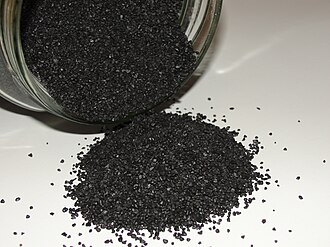
Gunpowder for muzzleloading firearms in granulation size

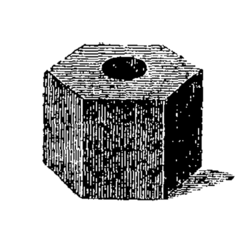
Hexagonal gunpowder for large artillery

世界を巡る火薬の歴史

中国での誕生と発展

黒色火薬は中国の「四大発明」の一つです。当初は道教の錬金術による医薬品の研究過程で偶然発見されました。最古の処方は11世紀の『武経総要』に記載されていますが、初期のものは硝石の含有量が少なく、爆発よりも燃焼(焼夷)に近い性質を持っていました。
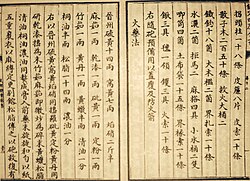
Earliest known written formula for gunpowder, from the Wujing Zongyao of 1044 AD.

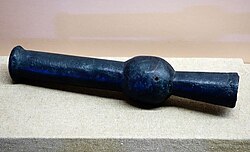
その後、10世紀には「火矢」として、12世紀には「火槍(かそう)」と呼ばれる初期の銃器へと進化しました。13世紀末には、金属製の銃身と点火穴を備えた本格的な「手砲(ハンドキャノン)」が登場し、軍事的なパラダイムシフトが起こりました。
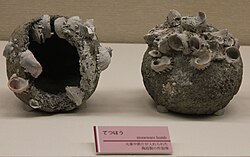
Stoneware bombs, known in Japanese as Tetsuhau (iron bomb), or in Chinese as Zhentianlei (thunder crash bomb), excavated from the Takashima shipwreck, October 2011, dated to the Mongol invasions of Japan (1274–1281 AD)

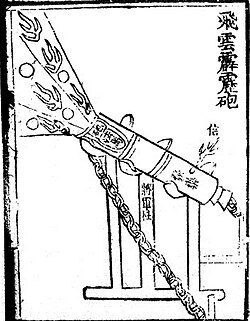
A 'flying-cloud thunderclap-eruptor' firing thunderclap bombs from the Huolongjing

Heilongjiang Hand Cannon dated to 1288, an example of an early Chinese hand cannon that included a touch hole and a gunpowder chamber

中東からヨーロッパ、そして世界へ

イスラム世界においても、13世紀から14世紀にかけて火薬兵器の記録が見られます。特にオスマン帝国では、15世紀半ばまでにマスケット銃が導入され、その技術力は当時のヨーロッパを凌駕していたという記録も残っています。

ヨーロッパでは14世紀半ばにはイギリスのロンドン塔などで製造が始まっていました。その後、17世紀のイングランド内戦などを経て産業として拡大し、軍事技術の核となりました。
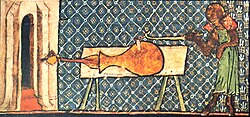
Earliest depiction of a European cannon, "De Nobilitatibus Sapientii Et Prudentiis Regum", Walter de Milemete, 1326.

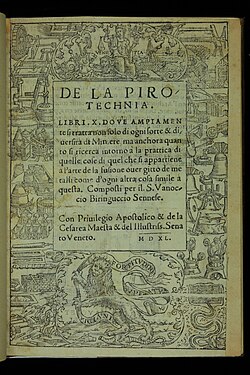
De la pirotechnia, 1540

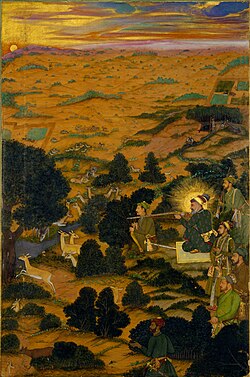
Mughal Emperor Shah Jahan, hunting deer using a matchlock

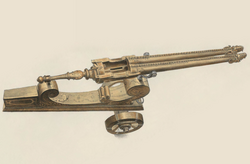
A double-barrelled cetbang on a carriage, with swivel yoke, c. 1522. The mouth of the cannon is in the shape of Javanese Nāga.

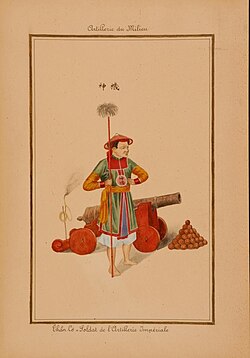
Gunner of Nguyễn dynasty, Vietnam

インドや東南アジアでも火薬は普及し、特にマイソール王国ではロケット兵器を効果的に運用してイギリス軍を撃退した事例があります。
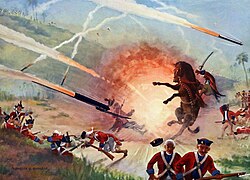
In the year 1780 the British began to annex the territories of the Sultanate of Mysore, during the Second Anglo-Mysore War. The British battalion was defeated during the Battle of Guntur, by the forces of Hyder Ali, who effectively used Mysorean rockets and rocket artillery against the closely massed British forces.

製造技術の革新:粉末から粒状へ

初期の火薬は成分を単に混ぜ合わせた「セリンパウダー(粉末状)」でしたが、これには成分が分離しやすく、燃焼が不安定という欠点がありました。そこで導入されたのが、液体を加えて練り合わせ、乾燥後に砕く「コーニング(粒状化)」という手法です。

粒状にすることで、粒子間に適度な隙間(空気層)が生まれ、火炎が瞬時に全体へ伝播するため、燃焼速度と威力が劇的に向上しました。記録によれば、粒状化によって必要な火薬量を大幅に減らしつつ、同等以上の射程を得ることが可能になったとされています。
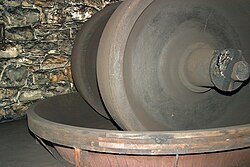
Edge-runner mill in a restored mill, at The Hagley Museum

近代になると、さらに密度を制御したブロック状の火薬や、大砲用に中心に穴を開けた「六角形火薬」などが開発され、より精密な火力の制御が行われるようになりました。
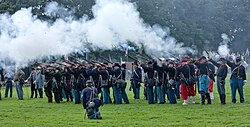
American Civil War re-enactors volley firing with black powder

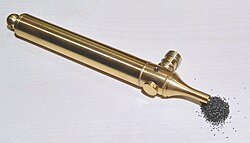
Flash pan starter dispenser

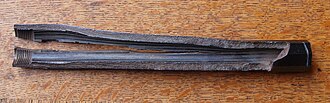
Burst barrel of a muzzle loader pistol replica, which was loaded with nitrocellulose powder instead of black powder and could not withstand the higher pressures of the modern propellant

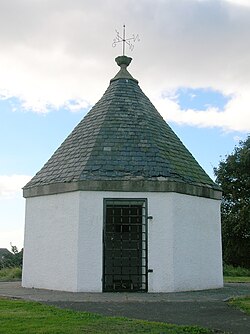
The old Powder or Pouther magazine dating from 1642, built by order of Charles I. Irvine, North Ayrshire, Scotland

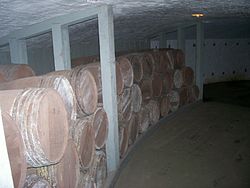
Gunpowder storing barrels at the Martello tower in Point Pleasant Park, Halifax, Nova Scotia, Canada

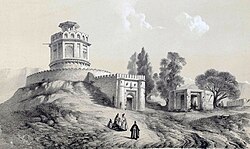
1840 drawing of a gunpowder magazine near Tehran, Persia. Gunpowder was extensively used in the Naderian Wars.

Frequently Asked Questions

黒色火薬と現代の無煙火薬の最大の違いは何ですか?

最大の違いは燃焼速度と煙の量です。黒色火薬は亜音速で燃焼し、大量の白い煙を上げますが、無煙火薬はより高速に燃焼し、煙がほとんど出ません。また、無煙火薬は圧力が高いため、黒色火薬用の古い銃に使用すると銃身が破裂する危険があります。

なぜ黒色火薬は「低爆薬」と呼ばれるのですか?

化学的な分解速度が比較的遅く、衝撃波を伴う「爆轟」ではなく、燃焼が伝播する「爆燃」を起こすためです。このため、物質を粉砕する力よりも、ガス圧で物体を押し出す力に長けています。

火薬の配合比率を変えるとどのような影響がありますか?

主に燃焼速度が変化します。硝石の割合を増やすと燃焼が速まり、弾丸を短距離で加速させるのに適します。逆に、大砲などの大型兵器では、急激な圧力上昇を防ぐために燃焼速度を抑えた配合が選ばれます。

黒色火薬は現在でも使われているのでしょうか?

はい。軍事的な主役からは退きましたが、花火の打ち上げ薬や、現代の弾薬における点火剤(プライマー)、また歴史的な銃器の再現や模型ロケットなどの分野で今も不可欠な素材として利用されています。

References

  1. Loading black powder cartridges into most gas-operated firearms causes failure to cycle. However, some gas-operated guns that use cartridges such as .45 ACP, 9×19mm, and even 7.62×39mm can cycle somewhat properly depending on the firearm model, cartridge specifications, and powder loads (albeit with heavy fouling).

📸 フォトギャラリー

Gunpowder for muzzleloading firearms in granulation size
American Civil War re-enactors volley firing with black powder
Flash pan starter dispenser
Earliest known written formula for gunpowder, from the Wujing Zongyao of 1044 AD.
Stoneware bombs, known in Japanese as Tetsuhau (iron bomb), or in Chinese as Zhentianlei (thunder crash bomb), excavated from the Takashima shipwreck, October 2011, dated to the Mongol invasions of Japan (1274–1281 AD)
A 'flying-cloud thunderclap-eruptor' firing thunderclap bombs from the Huolongjing
Heilongjiang Hand Cannon dated to 1288, an example of an early Chinese hand cannon that included a touch hole and a gunpowder chamber
Earliest depiction of a European cannon, "De Nobilitatibus Sapientii Et Prudentiis Regum", Walter de Milemete, 1326.
De la pirotechnia, 1540
In the year 1780 the British began to annex the territories of the Sultanate of Mysore, during the Second Anglo-Mysore War. The British battalion was defeated during the Battle of Guntur, by the forces of Hyder Ali, who effectively used Mysorean rockets and rocket artillery against the closely massed British forces.
Mughal Emperor Shah Jahan, hunting deer using a matchlock
A double-barrelled cetbang on a carriage, with swivel yoke, c. 1522. The mouth of the cannon is in the shape of Javanese Nāga.
Gunner of Nguyễn dynasty, Vietnam
Burst barrel of a muzzle loader pistol replica, which was loaded with nitrocellulose powder instead of black powder and could not withstand the higher pressures of the modern propellant
Hexagonal gunpowder for large artillery
The old Powder or Pouther magazine dating from 1642, built by order of Charles I. Irvine, North Ayrshire, Scotland
Edge-runner mill in a restored mill, at The Hagley Museum
Gunpowder storing barrels at the Martello tower in Point Pleasant Park, Halifax, Nova Scotia, Canada
1840 drawing of a gunpowder magazine near Tehran, Persia. Gunpowder was extensively used in the Naderian Wars.