私たちの身体や地球の環境において、目に見えないところで絶えず化学反応を制御している物質があります。それが重炭酸塩(IUPAC名:ヒドロジェンカーボネート)です。一般的に「炭酸水素塩」とも呼ばれるこの物質は、単なる化学化合物ではなく、生命維持に不可欠なpHバランスの調整役として機能しています。
Key Facts
- 化学式: HCO3(多原子アニオン)
- 主な役割: 体内の酸塩基平衡を維持するpH緩衝系の中心的な成分
- 化学的性質: 酸としても塩基としても働く「両性物質」である
- 環境への影響: 海水や淡水における無機炭素の主要な形態であり、炭素循環に寄与する
- 身近な例: 重曹(炭酸水素ナトリウム)として料理や掃除に利用されている
重炭酸塩の化学的構造と特性
重炭酸塩は、炭酸(H2CO3)から水素イオンが一つ脱離した中間形態のイオンです。構造的には、中心にある1つの炭素原子を3つの酸素原子が囲む平面三角形の形状をしており、そのうち1つの酸素に水素原子が結合しています。

このイオンは、状況に応じて水素イオンを放出する「酸」としても、あるいは受け取る「塩基」としても機能する両性物質(amphiprotic species)である点が大きな特徴です。具体的には、炭酸の共役塩基であり、同時に炭酸イオン(CO32-)の共役酸として作用し、化学的な平衡状態を保っています。
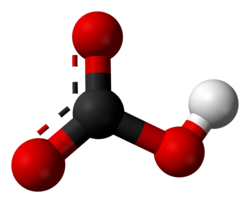
物理的・化学的データ
重炭酸塩は分子量61.01ダルトンであり、多くの重炭酸塩(塩)は標準状態で水に溶けやすい性質を持ちます。例えば、水質評価の指標となる「総溶解固形物(TDS)」には、炭酸水素ナトリウムなどの成分が含まれています。
| 項目 | 詳細データ |
|---|---|
| 化学式 | HCO3 |
| モル質量 | 61.0168 g/mol |
| 酸解離定数 (pKa) | 10.3 |
| 塩基解離定数 (pKb) | 7.7 |
| 対数分配係数 (log P) | -0.82 |
生体における生理学的機能
人間を含む生物にとって、重炭酸塩の最大の役割はpH緩衝系の維持です。血液などの体液が酸性に傾きすぎたり(アシドーシス)、アルカリ性に傾きすぎたり(アルカローシス)すると、特に中枢神経系などの組織に致命的なダメージを与える可能性があります。
体内で生成された二酸化炭素(CO2)の約70%〜75%は、炭酸脱水酵素の働きによって炭酸へと変換され、さらに重炭酸塩へと変化します。この一連の平衡状態が、急激なpH変化に対する抵抗力となり、ホメオスタシス(恒常性)を維持しています。また、近年の研究では、mTORC1シグナル伝達経路によって細胞内の重炭酸塩代謝が調節されていることも明らかになっています。
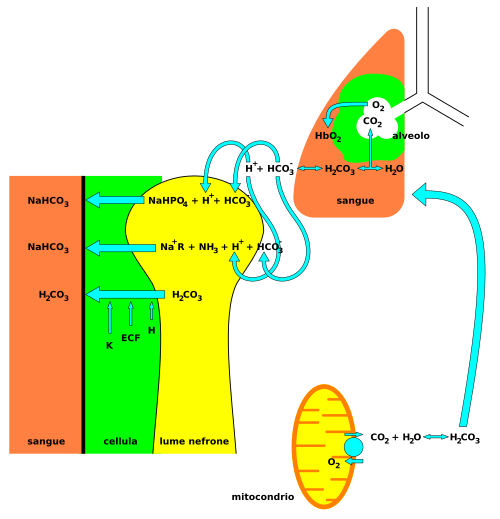
消化器系での役割
重炭酸塩は消化プロセスにおいても重要です。胃で分泌される強力な酸性消化液による影響を中和するため、膵臓からセクレチンというホルモンの刺激を受けて重炭酸塩が放出されます。これにより、十二指腸に流れ込む酸性の粥状物が中和され、小腸内の適切なpH環境が整えられます。
自然環境と産業利用
地球規模で見ると、重炭酸塩は海水や淡水における無機炭素の主要な形態であり、地球の炭素循環において重要な吸収源(シンク)となっています。雨水に含まれる炭酸が岩石を風化させることで重炭酸イオンが流出し、これが自然界の炭素の流れを形成しています。
また、淡水生態系では植物の光合成活動が影響します。日中の光合成によって重炭酸イオンが生成されるとpHが上昇し、条件によってはアンモニアなどの物質が毒性を帯びる場合があります。逆に夜間は呼吸によって二酸化炭素が放出されるため、pHは急速に低下します。
日常生活での活用
最も親しまれている重炭酸塩は、炭酸水素ナトリウム(重曹)です。加熱したり酢(酢酸)などの酸と反応させたりすると二酸化炭素を放出するため、パンやケーキを膨らませる膨張剤として利用されます。同様に、アンモニウム重炭酸塩も一部のビスケットやクラッカーの製造に使用されています。
医療診断における指標
臨床医学において、血液中の重炭酸塩濃度は体内の酸塩基状態を評価するための重要な指標です。電解質パネル検査(CPTコード 80051など)では、ナトリウム、カリウム、塩化物とともに測定され、電解質バランスの確認に用いられます。

特に「標準重炭酸塩濃度(SBCe)」は、特定の条件下(血中二酸化炭素分圧 40 mmHg、完全な酸素飽和度、温度 36 °C)における濃度として定義され、診断の基準となります。
Frequently Asked Questions
重炭酸塩と炭酸塩の違いは何ですか?
重炭酸塩(HCO3-)は水素イオンを1つ保持している中間形態であり、炭酸塩(CO32-)は水素イオンを完全に失った形態です。重炭酸塩は両性物質として機能しますが、炭酸塩はより強い塩基性を示します。
なぜ血液中のpH維持に重炭酸塩が必要なのですか?
血液のpHがわずかに変動するだけで、タンパク質の構造や酵素の活性に影響し、生命維持に支障が出るためです。重炭酸塩は二酸化炭素と連動して迅速にpHを調整する緩衝材として機能し、組織を保護しています。
重曹が料理で膨らむのはなぜですか?
炭酸水素ナトリウム(重曹)が加熱されるか、あるいは酸性物質と反応することで、化学的に分解されて二酸化炭素ガスが発生するためです。このガスが生地の中に気泡を作り、食品を膨らませます。
環境中で重炭酸塩はどのように生成されますか?
主に、大気中の二酸化炭素が雨水に溶けて炭酸となり、それが岩石(石灰岩など)を溶かす風化作用を通じて、重炭酸イオンとして水中に放出されます。
血液検査で重炭酸塩の値が異常な場合は何を意味しますか?
値が低すぎる場合は代謝性アシドーシス、高すぎる場合は代謝性アルカローシスの可能性が考えられます。これは腎機能の低下や呼吸器系の問題など、体内の酸塩基平衡が崩れているサインとなります。
References
- "hydrogencarbonate (CHEBI:17544)". Chemical Entities of Biological Interest (ChEBI). UK: European Institute of Bioinformatics. IUPAC Names. Archived from the original on 7 June 2015.
- Nomenclature of Inorganic Chemistry IUPAC Recommendations 2005 (PDF), IUPAC, p. 137
- "Clinical correlates of pH levels: bicarbonate as a buffer". Biology.arizona.edu. October 2006. Archived from the original on 31 May 2015.
- William Hyde Wollaston (1814) "A synoptic scale of chemical equivalents", Philosophical Transactions of the Royal Society, 104: 1-22. On page 11, Wollaston coins the term "bicarbonate": "The next question that occurs relates to the composition of this crystallized carbonate of , which I am induced to call bi-carbonate of potash, for the purpose of marking more decidedly the distinction between this salt and that which is commonly called a subcarbonate, and in order to refer at once to the double dose of carbonic acid contained in it."
- "Baking Soda". Newton – Ask a Scientist. . Archived from the original on 26 February 2015. Retrieved 2 May 2018.
- Geor, Raymond J.; Coenen, Manfred; Harris, Pat (31 January 2013). Equine Applied and Clinical Nutrition: Health, Welfare and Performance. Elsevier Health Sciences. p. 90. .
The most common indicator of water quality is the concentration of total dissolved solids (TDS)
- Arthurs, GJ; Sudhakar, M (1 December 2005). "Carbon dioxide transport". Continuing Education in Anaesthesia Critical Care & Pain. 5 (6): 207–210. :10.1093/bjaceaccp/mki050. 1743-1816.
- Ali E, Liponska A, O'Hara B, Amici D, Torno M, Gao P, Asara J, Yap M-N F, Mendillo M, Ben-Sahra I (June 2022). "The mTORC1-SLC4A7 axis stimulates bicarbonate import to enhance de novo nucleotide synthesis". Molecular Cell. 82 (1): 3284–3298.e7. :10.1016/j.molcel.2022.06.008. 9444906. 35772404.
- Berne & Levy, Principles of Physiology
- "The chemistry of ocean acidification : OCB-OA". www.whoi.edu. Woods Hole Oceanographic Institution. 24 September 2012. Archived from the original on 19 May 2017. Retrieved 17 May 2017.
📸 フォトギャラリー