1968年、音楽史に永遠に刻まれる一曲が誕生しました。ザ・ビートルズの「Hey Jude」は、単なるヒット曲の枠を超え、時代を超えて愛されるアンセムとなりました。7分を超える大作でありながら、世界中の人々を魅了したこの楽曲が、どのようにして形作られ、どのような快挙を成し遂げたのかを紐解きます。
Key Facts
- リリース日:1968年8月26日
- 録音場所:ロンドンのトリデント・スタジオ(Trident Studios)
- 作詞・作曲:レノン=マッカートニー(Lennon–McCartney)
- プロデューサー:ジョージ・マーティン
- 世界的な成果:世界累計販売数800万枚を記録し、英米を含む多くの国でチャート1位を獲得
楽曲の誕生と制作の舞台裏
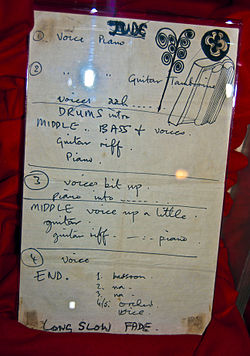
「Hey Jude」は、ポール・マッカートニーによって書き下ろされました。その創作過程を物語る手書きのメモは、後に音楽的な価値だけでなく歴史的な資料としても高く評価されることになります。
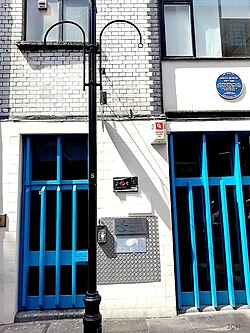
レコーディングは1968年7月31日と8月1日の2日間にわたって、ロンドンのトリデント・スタジオで行われました。当時の最先端設備を備えていたこのスタジオが、楽曲の壮大なスケール感を支える重要な役割を果たしました。
制作にはメンバー全員が深く関わっており、ポールがリードボーカルとピアノ、ベースを担当し、ジョン、ジョージ、リンゴがバックボーカルや各楽器、そして楽曲を盛り上げるハンドクラップ(手拍子)で参加しました。この緻密なアンサンブルが、後半の盛り上がりへと繋がる完璧な構成を作り上げました。
プロモーションと世界的な熱狂
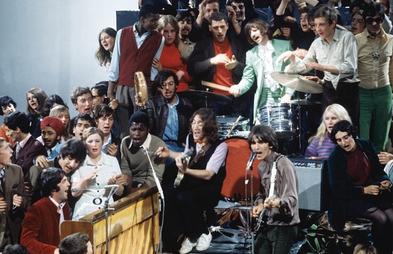
Apple Recordsからリリースされたこのシングルは、B面に「Revolution」を配し、当時のバンドの音楽的な幅広さを象徴する構成となりました。また、スタジオ観客に囲まれて演奏するプロモーションフィルムが制作され、視覚的にもその熱狂が伝えられました。
リリース後、楽曲は爆発的なヒットを記録します。イギリスやアメリカのビルボードHot 100はもちろん、日本を含む世界各国のチャートで首位を独占しました。特にアメリカではRIAAによって4×プラチナ認定を受けるなど、空前絶後の商業的成功を収めています。
後世への影響とメモリアルな価値
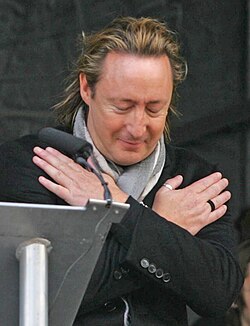
楽曲のリリースから数十年が経過しても、「Hey Jude」の価値は衰えるどころか高まり続けています。1996年には、ポールが書き残した録音時のメモがオークションにかけられ、ジョン・レノンの息子であるジュリアン・レノンが落札するという象徴的な出来事もありました。
また、ポール・マッカートニーによるソロ活動でのライブパフォーマンスでも欠かせない定番曲となっており、今なお世界中のファンが合唱する光景が見られます。
楽曲データまとめ
| 項目 | 詳細内容 |
|---|---|
| ジャンル | ロック / ポップ / ポップロック |
| 曲長 | 7分12秒 |
| 主要チャート順位 | 英・米・日を含む世界各国で1位(または上位) |
| 世界累計売上 | 約8,000,000枚 |
| 主要参加メンバー | ポール(Vo, Pf, Ba)、ジョン(Vo, Gt)、ジョージ(Vo, Gt)、リンゴ(Vo, Dr) |
Frequently Asked Questions
「Hey Jude」はいつ、どこで録音されましたか?
1968年7月31日と8月1日の2日間にわたり、ロンドンのトリデント・スタジオで録音されました。
この曲の作詞・作曲者は誰ですか?
公式にはレノン=マッカートニー名義となっていますが、主にポール・マッカートニーによって書き下ろされました。
世界的な売上枚数はどのくらいですか?
世界累計で約800万枚の販売数を記録しています。特にアメリカでは400万枚以上の販売が認定されています。
B面にはどのような曲が収録されていましたか?
イギリス盤などのシングルでは、B面に「Revolution」が収録されていました。
楽曲のメモはその後どうなりましたか?
1996年のオークションにて、ジュリアン・レノンが落札し、彼の手に渡りました。
References
- Griffith added that he and his fellow Iveys were "gob-smacked" by the performance.
- He later said of his subsequent live performances of the song: "that's the line when I think of John, and sometimes I get a little emotional during that moment."
- In a 1971 interview with , Lennon recalled his and McCartney's conversation: "Ah, it's me! I said, it's me! He says, no it's me. I said, check, we're going through the same bit."
- Released in October 1969, the documentary was shown in UK cinemas as the opening presentation for . In the United States, it was broadcast as an episode of the television series Experiment in TV in February 1970.
- Described by as "a tense moment", this disagreement between Harrison and McCartney was recalled by the pair in a similar argument they had while filming in January 1969, regarding the lead guitar part on "". Partly as a result of McCartney's criticism, Harrison briefly quit the band four days later on 10 January.
- McCartney wrote the foreword to Sheffield's 2013 biography Life on Two Legs in which he recalls his pleasure in recording the track at Trident.
- Writing in his 2006 memoir, Emerick says that "Obviously something at Trident had been misaligned", and the solution for "Hey Jude" was to add "massive amounts of treble ".
- McCartney recalled that the Beatles had not planned for the coda to last four minutes, but he was "having such fun ad-libbing" that they kept the performance going.
- Toft adds: "because it had been bounced down [mixed] with the main vocal, it could not be removed. I just managed to bring the fader down for a split second on the mix to try to lessen the effect."
- McCartney later acknowledged that part of the verse for "Hey Jude" originated from "when I was fooling around with 'Save the Last Dance for Me' on guitar".
📸 フォトギャラリー