第二次世界大戦後の世界に突如として現れたベビーブーマー(Baby Boomers)は、単なる人口統計上の区分を超え、政治、文化、経済のあらゆる面で世界に甚大な影響を与えた世代です。彼らは戦後の経済復興期に生まれ、既存の価値観に疑問を投げかけ、現代社会の基礎となる多くの社会的変革を主導しました。
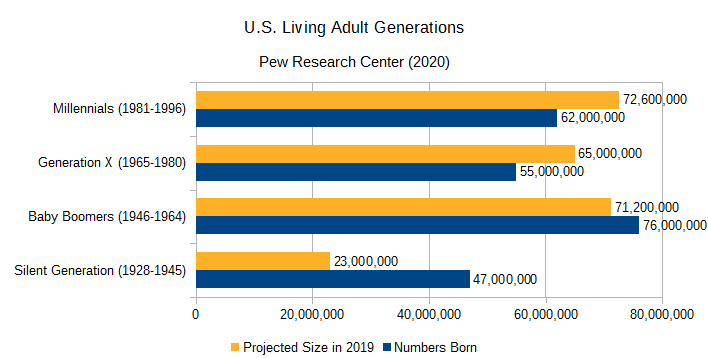
この世代の最大の特徴は、その圧倒的な人口規模にあります。世界的に見ても、特に欧米諸国では戦後の出生率の急上昇により、特定の年齢層が極端に多い人口構造が形成されました。
![The baby boom birth years from the mid 1940s through the mid 1960s extended an early-1940s increase in live births following lows in the Great Depression.[28]](/images/0f/a8/0fa89436d264bf46ee990d6e9c559a743a069b1f6b9680cfe7d926c5249082cf.webp)
Key Facts
- 定義: 一般的に1946年から1964年までの間に生まれた人々を指します。
- 人口動態: 戦後の出生率急増により形成され、その後、経済や社会制度に大きな負荷と刺激の両方を与えました。
- 文化的影響: 1960年代のカウンターカルチャーや女性解放運動(フェミニズム)の原動力となりました。
- 経済的役割: 労働市場における中心的な存在から、現在は大規模なリタイアメント(退職)期に移行しています。
- 現代の課題: 平均寿命の伸長に伴い、多くの国で高齢化社会を加速させる要因となっています。
人口動態と世代の区分
ベビーブーマーは、その出生時期によってさらに細分化されることがあります。例えば、1946年から1955年生まれの初期グループは、1960年代の激動の文化変革を象徴する世代となりました。一方で、1956年から1964年生まれの後半グループは、1970年代の経済的な停滞期(マレーズ)に青年期を過ごしたという違いがあります。
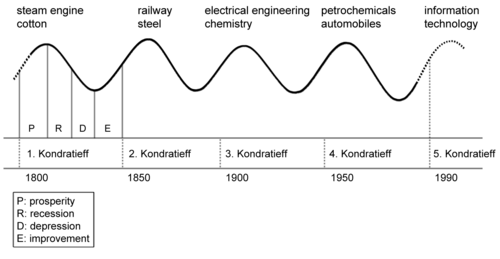
このような人口の波は、経済サイクルとも密接に関わっています。長期的な経済変動を示すコンドラチェフの波のような理論は、人口動態がどのように経済の拡大と収縮に影響するかを説明する一助となります。
青年期の挑戦と文化的革命
ベビーブーマーが青年期を迎えた1960年代、彼らは教育の普及という恩恵を受けました。戦後、多くの若者が高等教育へと進み、知的な探究心と社会への批判精神を養いました。

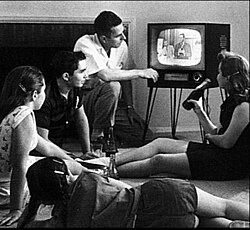
家庭環境においても、テレビの普及が彼らの価値観形成に大きな役割を果たしました。共通の情報を同時に消費することで、世代を超えた連帯感や共通の文化圏が形成されたのです。
反体制文化と社会運動
彼らは伝統的な権威に反旗を翻し、カウンターカルチャー(対抗文化)を形成しました。サルトルやチェ・ゲバラのような急進的なアイコンに影響を受け、既存の政治体制や道徳観に挑戦した人々が数多く現れました。

また、女性の社会的役割を問い直す「第二波フェミニズム」もこの時期に加速しました。ベティ・フリーダンの著作などが、伝統的な性別役割分担への疑問を社会に投げかけ、女性の権利拡大へと繋がりました。
![Betty Friedan's The Feminine Mystique (1963) triggered the second wave of feminism from the 1960s to the 1980s[131] by questioning the era's social norms, in particular its insistence on traditional gender roles.[13]](/images/f2/25/f2254ba29a9ce9bb03e2b800fceef7273972a9b245c6fffd714b4609c934ad1c.jpg)
音楽やファッションにおいても、イギリスのロックやジーンズの普及など、若者独自の文化が花開きました。これは経済的な繁栄が背景にあり、若者が消費の主体となったことで可能になった現象です。


1968年の五月革命に代表される学生運動や暴動は、彼らの欲望と現実の乖離を埋めようとする激しいエネルギーの表れであり、世界各地で政治的な地殻変動を引き起こしました。

家族観の変容とライフステージの移行
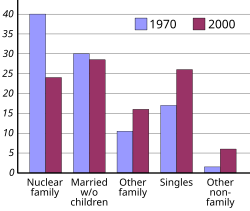
かつては「核家族」が標準的な家庭モデルとされていましたが、20世紀後半にかけてその形態は多様化しました。離婚率の上昇や共働き世帯の増加により、伝統的な家族像は次第に後退していきました。
女性の社会進出を後押しした雑誌『Ms.』などのメディアの登場は、家庭内での権力構造を変化させ、個人の自立を促しました。
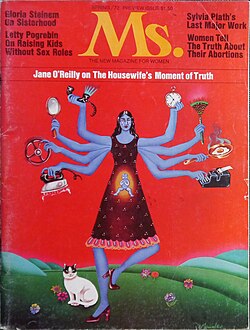
1950年代に理想とされた核家族の形態は、世代が進むにつれて崩壊し、より柔軟で多様なライフスタイルが受け入れられるようになりました。

晩年と現代社会への影響
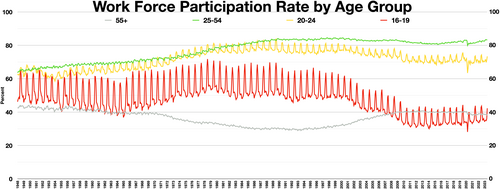
現在、ベビーブーマーの多くは退職年齢に達しています。特に米国では、COVID-19パンデミックが引き金となり、早期退職を選択する高齢労働者が急増しました。
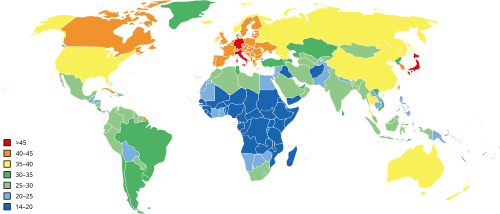
世界的に見ると、平均寿命の延びと出生率の低下により、多くの国で中央値年齢が上昇しています。これは社会保障制度や医療体制に大きな負荷をかける「シルバー津波」とも呼ばれる現象を招いています。
また、一部の研究では、初期および中期のベビーブーマーが、以前の世代と比較して50歳以降に認知機能の低下が顕著に現れる可能性が示唆されており、健康寿命の維持が重要な課題となっています。
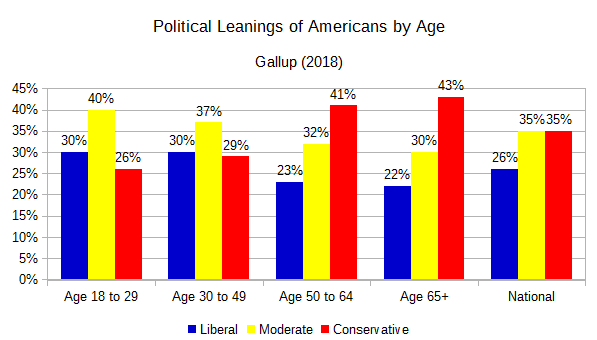
世代別特徴まとめ
| ライフステージ | 主な特徴・出来事 | 社会への影響 |
|---|---|---|
| 幼少期・青年期 | 高等教育の普及、テレビの普及 | 若者文化の形成、消費社会の拡大 |
| 成人期 | カウンターカルチャー、フェミニズム | 伝統的価値観の破壊、人権意識の向上 |
| 中年期 | 経済的権力の掌握、核家族の変容 | 政治・経済の意思決定層を独占 |
| 晩年期 | 大量リタイア、高齢化社会の進行 | 社会保障コストの増大、労働力不足 |
Frequently Asked Questions
ベビーブーマーとは具体的にいつ生まれた人を指しますか?
一般的には1946年から1964年までの間に生まれた人々を指します。ただし、定義は研究者や地域によって多少前後することがあります。
なぜこの世代は「ブーマー」と呼ばれるのですか?
第二次世界大戦後、出生率が爆発的に増加した「ベビーブーム(Baby Boom)」の時期に生まれたため、その名がつきました。
この世代が社会に与えた最大の文化的影響は何ですか?
1960年代のカウンターカルチャーや、伝統的なジェンダーロールを打破しようとしたフェミニズム運動など、既存の社会規範に対する挑戦と変革を主導したことです。
現在の経済においてベビーブーマーはどのような影響を及ぼしていますか?
多くの国でこの世代が退職することで、労働市場に大きな穴が開く一方で、彼らが保有する膨大な資産の継承や、高齢者向けサービスの需要拡大という経済的変動をもたらしています。
ベビーブーマーとジェネレーションXの違いは何ですか?
ベビーブーマーが戦後の繁栄と社会変革の主役であったのに対し、ジェネレーションX(1965年〜1980年頃生まれ)は、ブーマー世代が作り出した激動の後の停滞期や、より個人主義的な価値観の中で育った世代とされます。
References
- Thus instead of the intuitive approach which often necessitates the memorization of rules and formulas for problem-solving, one begins with definitions and axioms then derives theorems from them. Concrete calculations are de-emphasized in favor of abstract proofs.
- See and .
- See, for example, , useful in computer science. Also see , previously known as clockwork arithmetic.
- Also see .
- Also see .
- Also see .
- See this by the poet .
📸 フォトギャラリー