中世の知の巨人として知られるアヴィセンナ(アラビア名:イブン・スィーナー)は、イスラーム黄金時代において、医学、哲学、論理学、天文学など多岐にわたる分野で不滅の業績を残した百科全書的な学者です。彼の思想は東洋のみならず、ラテン語訳を通じて中世ヨーロッパのルネサンス期に至るまで、世界の学問的基盤に決定的な影響を与えました。
彼は単なる医師や哲学者にとどまらず、アリストテレス哲学をイスラームの文脈で再構築し、独自の「アヴィセンナ主義」を確立した人物として歴史に刻まれています。
Key Facts
- 本名:アブー・アリー・アル=フサイン・イブン・スィーナー(西洋名:アヴィセンナ)
- 活動時代:980年頃〜1037年(イスラーム黄金時代)
- 主要著作:『医学典範(Canon of Medicine)』および『治癒の書(The Book of Healing)』
- 専門領域:医学、形而上学、論理学、心理学、天文学、詩作
- 思想的影響:アリストテレス主義を継承しつつ、独自の存在論を展開
波乱に満ちた生涯と学問的旅路
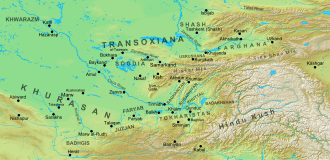
アヴィセンナは980年頃、サマーン朝時代のトランスオクシアナ地方にあるアフシャーナで生まれました。幼少期から驚異的な記憶力と学習能力を示し、若くして当時の主要な学問を習得しました。その後、ブハラやグルガンジ、ゴルガーンといった知の集積地を巡り、多くの知識を吸収しました。
彼のキャリアは政治的な激動と共にありました。ブワイフ朝のライや、カクイド朝のイスファハーン、ハマダーンなど、さまざまな統治者のもとで宮廷医師や助言者として仕えながら、膨大な著作を執筆し続けました。
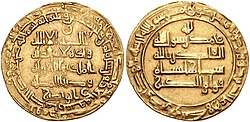
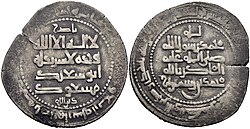
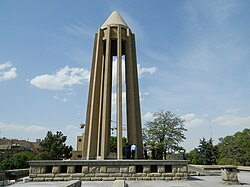
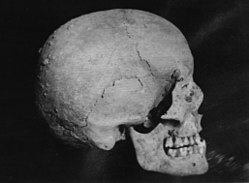
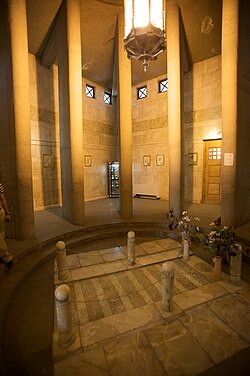
1037年6月22日、ハマダーンにて50代後半の若さでこの世を去りました。彼の死後、その功績を称えるために多くの記念碑が建てられ、現代に至るまで世界中で尊敬を集めています。
医学の金字塔:『医学典範』とその革新
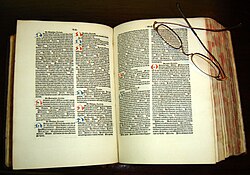
アヴィセンナの名を世界的に不朽のものにしたのが、医学百科事典である『医学典範』です。この書物は、古代ギリシャのヒポクラテスやガレノスの知見に、彼自身の臨床経験と観察を融合させたものでした。
彼は単に病気の治療法を記しただけでなく、薬理学やアロマセラピー、さらには心理的なアプローチを用いた治療法(心身相関の視点)を導入しました。この体系的なアプローチは、その後数百年にわたり、ヨーロッパの大学で標準的な教科書として使用されました。
哲学と形而上学への挑戦
医学のみならず、アヴィセンナは哲学においても革命的な視点を提示しました。特に、存在の性質に関する考察(必然的存在と可能的存在の区別)や、神の存在証明に関する論理的アプローチは、後のイスラーム神学やキリスト教神学に深い影響を与えました。
また、有名な思考実験である「空中に浮く人間」の概念を通じて、身体的な感覚がなくても「自己の意識」は存在し得るという、近代的な意識論の先駆けとなる議論を展開しました。彼の哲学体系は、論理学、物理学、数学、そして形而上学を包括する『治癒の書』に集約されています。
多才な知性と後世への遺産
アヴィセンナの関心は学術的な理論にとどまらず、化学(錬金術)や天文学、さらには詩作にまで及びました。彼の詩には、人生の困難や死への洞察が込められており、理知的な側面と情熱的な側面の共存が見て取れます。
現代においても、彼の名前は世界各地の大学、病院、さらには月面のクレーター(アヴィセンナ・クレーター)に冠されており、人類の知的遺産としての価値を証明し続けています。
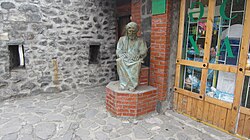
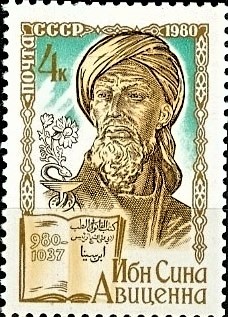
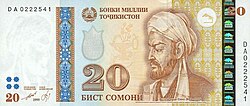
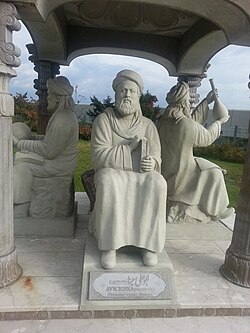
アヴィセンナの業績まとめ
| 分野 | 主要な成果・著作 | 歴史的意義 |
|---|---|---|
| 医学 | 『医学典範』 | 中世ヨーロッパを含む世界の医学教育の標準を確立 |
| 哲学 | 『治癒の書』、アヴィセンナ主義 | アリストテレス哲学の再構築と存在論の発展 |
| 心理学 | 「空中に浮く人間」の思考実験 | 自己意識と精神の独立性に関する先駆的な考察 |
| 科学 | 天文学、化学、物理学の研究 | 経験的観察と論理的推論の統合 |
Frequently Asked Questions
アヴィセンナとイブン・スィーナーは同じ人物ですか?
はい、同じ人物です。「イブン・スィーナー」はアラビア語での名称であり、「アヴィセンナ」はそのラテン語表記です。西洋では主にアヴィセンナの名で知られています。
『医学典範』がなぜそれほど重要だったのですか?
それまでの断片的な医学知識を体系的にまとめ上げ、論理的な構造で整理したためです。診断から治療、薬学までを網羅しており、実用的かつ学術的な完成度が極めて高かったため、長らく医学の最高権威とされました。
「空中に浮く人間」とはどのような考え方ですか?
もし人間が感覚を遮断された状態で空中に浮かんでいたとしても、「私は存在する」という自己意識だけは保持しているはずだという思考実験です。これにより、魂(精神)が肉体とは独立して存在し得ることを論じました。
彼はどのような宗教的背景を持っていましたか?
彼はイスラーム黄金時代に生き、イスラーム神学(カラーム)とギリシャ哲学を融合させようと試みました。その過程で、理性による真理の探究と信仰の整合性を追求しました。
現代にどのような影響を残していますか?
医学における体系的なアプローチや、哲学における存在論の議論は、現代の学問の基礎の一部となっています。また、彼の精神は世界中の医療機関や教育機関の名前に受け継がれています。
References
- Encyclopedia of Islam: Vol 1, p. 562, Edition I, 1964, Lahore, Pakistan
- "Avicenna (Ibn Sina)". Internet Encyclopedia of Philosophy. Archived from the original on 6 October 2022. Retrieved 13 October 2022.
- "Ibn Sina [Avicenna]". Stanford Encyclopedia of Philosophy. 15 September 2016.
-
- , pp. 113, 117, 206.
(page 113) "For one thing, it means that he[Avicenna] had a Persian cultural background...he spoke Persian natively and did use it to write philosophy."
(page 117) "But for the time being, it was a Persian from Khurasan who would have commentaries lavished upon him. Avicenna would be known by the honorific of "leading master" (al-shaykh al-raʾis)."
(page 206) "Persians like Avicenna" - , p. 195. "Avicenna was a Persian whose father served the Samanids of Khurasan and Transoxania as the administrator of a rural district outside Bukhara."
- Paul Strathern (2005). A brief history of medicine: from Hippocrates to gene therapy. Running Press. p. 58. .
- Brian Duignan (2010). Medieval Philosophy. The Rosen Publishing Group. p. 89. .
- Michael Kort (2004). Central Asian republics. Infobase Publishing. p. 24. .
- , p. 941. "He was born in 370/980 in Afshana, his mother's home, near Bukhara. His native language was Persian."
- "Avicenna was the greatest of all Persian thinkers; as physician and metaphysician ..." (excerpt from A.J. Arberry, Avicenna on Theology, Kazi Publications Inc, 1995).
- , p. 74. "Whereas the name of Avicenna (Ibn Sina, died 1037) is generally listed as chronologically first among noteworthy Iranian philosophers, recent evidence has revealed previous existence of Ismaili philosophical systems with a structure no less complete than of Avicenna."
- , pp. 113, 117, 206.
- "Avicenna | Biography, Books, & Facts | Britannica". www.britannica.com. 20 June 2025. Retrieved 24 June 2025.
Avicenna did not burst upon an empty Islamic intellectual stage. It is believed that Muslim writer Ibn al-Muqaffaʿ, or possibly his son, had introduced Aristotelian logic to the Islamic world more than two centuries before Avicenna. Al-Kindī, the first Islamic Peripatetic (Aristotelian) philosopher, and Turkish polymath al-Fārābī, from whose book Avicenna would learn Aristotle's metaphysics, preceded him. Of these luminaries, however, Avicenna remains by far the greatest.
- Hajar, Rachel (2013). "The Air of History (Part V) Ibn Sina (Avicenna): The Great Physician and Philosopher". Heart Views. 14 (4): 196–201. :10.4103/1995-705X.126893. 3970379. 24696763.
- "Did You Know?: Silk Roads Exchange and the Development of the Medical Sciences | Programme des Routes de la Soie". fr.unesco.org. Archived from the original on 14 January 2023. Retrieved 14 January 2023.
Scholars from this period include Avicenna (Ibn Sina, 980–1037 CE), who is often described as the father of early modern medicine, the polymath Al-Biruni (973–1050 CE), and the botanist and pharmacist Ibn al-Baitar (1197–1248 CE).
- Saffari, Mohsen; Pakpour, Amir (1 December 2012). "Avicenna's Canon of Medicine: A Look at Health, Public Health, and Environmental Sanitation". Archives of Iranian Medicine. 15 (12): 785–9. 23199255. Archived from the original on 29 March 2020. Retrieved 11 August 2018.
Avicenna was a well-known Persian and a Muslim scientist who was considered to be the father of early modern medicine.
- Colgan, Richard (19 September 2009). Advice to the Young Physician: On the Art of Medicine. Springer Science & Business Media. p. 33. .
Avicenna is known as the father of early modern medicine.
- (2007). "Avicenna". Encyclopædia Britannica Online. Archived from the original on 31 October 2007. Retrieved 5 November 2007.
📸 フォトギャラリー