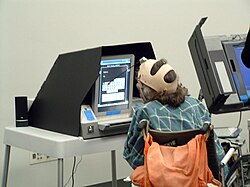
現代社会において、身体的・精神的な制約を持つ人々が自立して生活し、社会参加を果たすための強力なツールとなっているのがアシスティブ・テクノロジー(支援技術)です。これは単なる便利な道具ではなく、個人の能力を最大限に引き出し、生活の質(QOL)を向上させるための不可欠な手段です。本記事では、多様な支援技術の現状から、教育現場での活用、そして未来のイノベーションまでを詳しく解説します。
Key Facts
- 定義:障害を持つ人の機能的な能力を維持・向上させるための、市販またはカスタマイズされたあらゆる機器やシステムを指す。
- 多様な領域:移動、視覚、聴覚、認知、コミュニケーションなど、幅広い障害領域に対応した技術が存在する。
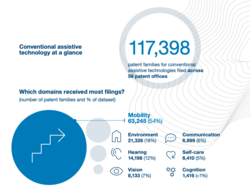
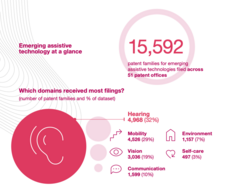
- 特許トレンド:2013年から2017年の統計では、従来の支援技術の64%が移動支援に関連しており、新興技術では聴覚支援が32%を占める。
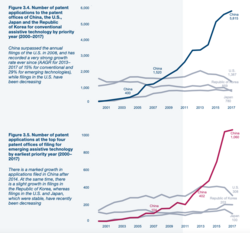
- 国際的な成長:特許出願数において、中国が2008年以降、米国を上回る急成長を記録している。
障害に対するアプローチと社会的背景
支援技術を理解する上で重要なのが、障害をどう捉えるかという視点です。かつては医師が治療を主導する「医学モデル」が主流でしたが、現在は社会側の障壁(バリア)を取り除くことで障害を解消しようとする「社会モデル」への転換が進んでいます。
また、障害者のための改善が結果的にすべての人に利益をもたらす「カーブカット効果」のように、ユニバーサルデザインやインクルーシブデザインの考え方が、製品開発の根幹となっています。
領域別に見る支援技術の具体例
移動・身体機能の支援
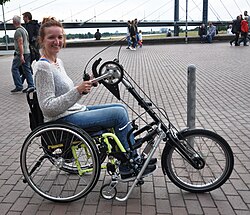
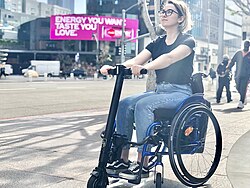
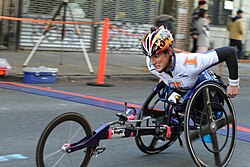
肢体不自由な方の移動を支える技術は、最も開発が進んでいる分野の一つです。手動・電動の車椅子はもちろん、装着型の外骨格(エクソスケルトン)や、高度な筋電制御を用いた義肢などが実用化されています。
視覚・聴覚の支援
視覚障害者向けには、点字ディスプレイやスクリーンリーダー、拡大読書器などのデジタルツールが普及しています。特に近年では、GPSやジャイロセンサー、カメラを組み合わせたナビゲーション技術が飛躍的に進化しており、周囲の状況をリアルタイムで把握することが可能になっています。
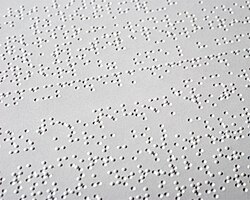
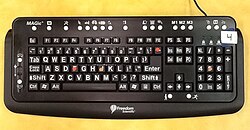
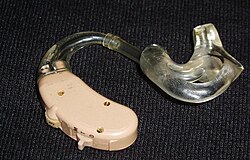
聴覚障害者向けには、補聴器や集音装置に加え、音声を視覚化するデバイスや、環境制御が可能な高度な補聴システムが開発されています。
コミュニケーションと認知の支援
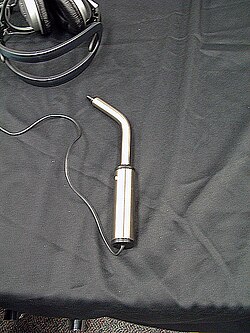
発話が困難な方のためのAAC(拡大・代替コミュニケーション)は、視線入力装置や、呼吸(吸気・呼気)で操作する「 sip-and-puff」デバイスなど、個々の身体状況に合わせた多様なインターフェースを提供しています。
また、認知機能の低下や学習障害を持つ方向けに、記憶を補助するツールや専用の教育ソフトウェアも活用されています。
教育現場における支援技術の役割
教育における支援技術は、すべての子どもが平等に学習機会を得るための鍵となります。米国では「リハビリテーション法504条」や「障害者教育法(IDEA)」などの法律に基づき、個別の教育計画(IEP)を通じて適切な技術提供が行われています。
例えば、XML形式のアクセシブルなテキストデータを提供することで、点字リーダーやスクリーンリーダーを用いて教科書を学習できる仕組み(NIMACなど)が構築されています。これにより、学習上の障壁が取り除かれ、メインストリーミング(通常学級への統合)が促進されます。
支援技術の概要まとめ
| カテゴリー | 主な技術・デバイス | 目的・効果 |
|---|---|---|
| 移動支援 | 電動車椅子、外骨格、義肢 | 自立歩行・移動能力の向上 |
| 視覚支援 | 点字ディスプレイ、画面読み上げソフト | 情報の取得とナビゲーション |
| 聴覚支援 | 補聴器、増幅電話機 | 音声情報の聴取とコミュニケーション |
| コミュニケーション支援 | 視線入力、AACデバイス | 意思疎通の手段の確保 |
| 認知・学習支援 | 記憶補助ツール、専用教育ソフト | 学習効率の向上と記憶の補完 |
次世代のイノベーションと未来
今後の支援技術は、AIやIoTとの融合によりさらにパーソナライズされていきます。スマートホーム家電による環境制御や、AR(拡張現実)を用いた視覚補助、さらには脳波や筋電を用いた直感的なデバイス操作など、身体的な制約をテクノロジーで完全に補完する方向へ進化しています。
Frequently Asked Questions
アシスティブ・テクノロジーとは具体的に何を指しますか?
障害を持つ方の身体的、認知的な機能を補い、または向上させるためのあらゆる製品やシステムのことです。市販の既製品から、個人のニーズに合わせてカスタマイズされた特注品まで幅広く含まれます。
教育現場でどのように活用されていますか?
点字リーダーやスクリーンリーダー、学習支援ソフトなどが導入されています。これにより、視覚や学習に困難がある生徒でも、他の生徒と同じ教材にアクセスし、個別の教育計画(IEP)に基づいた学習を進めることが可能になります。
最新のトレンドにはどのようなものがありますか?
AIを活用したスマートアシスタントや、AR(拡張現実)によるナビゲーション、筋電制御による高度な義肢などが注目されています。また、スマートホーム技術との連携により、住環境そのものを操作できる仕組みも広がっています。
支援技術の導入における課題は何ですか?
デバイスの視認性による社会的スティグマ(偏見)や、導入コスト、個々のユーザーへの適合性の確保などが課題として挙げられます。そのため、デザイン性の向上や、アクセシビリティに関する法整備が進められています。
References
- Parant, Aymeric; Schiano-Lomoriello, Sandrine; Marchan, Francis (October 2017). "How would I live with a disability? Expectations of bio-psychosocial consequences and assistive technology use". Disability and Rehabilitation: Assistive Technology. 12 (7): 681–685. :10.1080/17483107.2016.1218555. 27677931. 4797800.
- Sivan, Gallagher, Holt, Weightman, O'Connor, Levesley, Manoj, Justin, Ray, Andrew, Rory, Martin (February 6, 2016). "Employing the International Classification of Functioning, Disability and Health framework to capture user feedback in the design and testing stage of development of home-based arm rehabilitation technology". Assistive Technology. 28 (3): 175–182. :10.1080/10400435.2016.1140689. 26852630. 205685927.
{{}}: CS1 maint: multiple names: authors list () - Calabrò, Rocco Salvatore; Naro, Antonino; Leo, Antonino; Bramanti, Placido (March 4, 2016). "Usefulness of robotic gait training plus neuromodulation in chronic spinal cord injury: a case report". The Journal of Spinal Cord Medicine. 40 (1): 118–121. :10.1080/10790268.2016.1153275. 5376144. 27077568.
- Vanoglio, F.; Bernocchi, P.; Mule, C.; Garofali, F.; Mora, C.; Taveggia, G.; Scalvini, S.; Luisa, A. (April 7, 2016). "Feasibility and efficacy of a robotic device for hand rehabilitation in hemiplegic stroke patients: A randomized pilot controlled study". Clinical Rehabilitation. 31 (3): 351–360. :10.1177/0269215516642606. 27056250. 39455580.
- Kamath, Ramachandra; Fernandes, Edmond; Dsouza, Neevan; Ghai, Glory; Kamath, Surekha R. (June 2024). "Unmet Needs and Barriers to Assistive Technology in the Coastal Districts of Karnataka, India". WHO South-East Asia Journal of Public Health. 13 (1): 5–8. :10.4103/WHO-SEAJPH.WHO-SEAJPH_57_23. 2224-3151. 39167129.
- "Assistive Technology Act of 1998 | Section508.gov". section508.gov. Archived from the original on March 29, 2016. Retrieved April 4, 2016.
- "Tennessee Science Standards" (PDF). Retrieved October 5, 2012.
- "Assessing for Adaptive Technology Needs". Archived from the original on August 10, 2014. Retrieved October 5, 2012.
- McLaughlin Maly, J. (2007). My child needs a piece of adaptive equipment: Now what? Well it depends! The Exceptional Parent, 11(37), 46-47
- "Occupational Therapy Practice Framework: Domain and Process—Fourth Edition". The American Journal of Occupational Therapy. 74 (Supplement_2): 7412410010p1–7412410010p87. August 1, 2020. :10.5014/ajot.2020.74S2001. 0272-9490. 34780625.
📸 フォトギャラリー