人類が再び月の領域へと足を踏み入れる壮大な旅、「アルテミスII」ミッションが遂に実現しました。この計画は、単なる宇宙飛行ではなく、将来的な月面着陸や火星探査に向けた極めて重要な検証ステップとなる有人月周回飛行(フライバイ)です。アポロ計画以来、久々に人間が地球の重力圏を離れ、深宇宙の過酷な環境に挑みました。
主要な事実(Key Facts)
- ミッション目的:有人宇宙船オリオンの性能検証および月周回飛行の完遂。
- 搭乗員:NASAおよびカナダ宇宙庁(CSA)から選出された4名の宇宙飛行士。
- 使用機材:SLS(宇宙打ち上げシステム)ロケットとオリオン宇宙船「インテグリティ」。
- 飛行距離:総走行距離は約112万kmに及び、約9日間の旅となりました。
- 歴史的成果:アポロ計画後、初めて人間が撮影した「地球全体のディスク」写真を公開。
ミッションの構成と宇宙船の準備
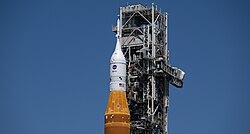
アルテミスIIの心臓部となるのは、ロッキード・マーティン社が製造した宇宙船「オリオン(CM-003 インテグリティ)」と、エアバス社が手がけた欧州サービスモジュール(ESM-2)です。打ち上げに向けて、2024年12月にはSLSのコアステージが車両組立棟(VAB)へ搬入され、慎重なスタッキング作業が進められました。
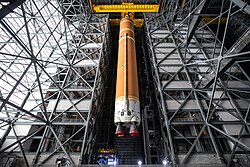
開発過程では、前回の無人ミッション(アルテミスI)で確認されたヒートシールドの損傷などの課題に対処し、安全性の向上が図られました。2025年3月には、オリオン宇宙船とサービスモジュールの統合準備が完了し、最終的な打ち上げ準備へと移行しました。
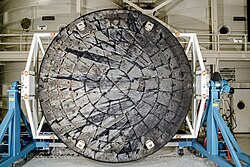
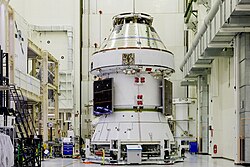
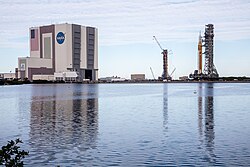
2026年1月には、完成した機体がVABからロールアウトされ、フロリダ州ケネディ宇宙センターの39B射点へと運ばれました。この一連の流れは、人類が再び深宇宙へ戻るための緻密なエンジニアリングの結晶と言えます。
選出された精鋭クルーと訓練
この歴史的な旅を担ったのは、経験豊富な4名の宇宙飛行士です。船長を務めたリード・ワイズマン、パイロットのビクター・グローバー、そしてミッションスペシャリストのクリスティーナ・コックとジェレミー・ハンセンが、過酷な訓練を乗り越えて選出されました。また、バックアップクルーとしてアンドレ・ダグラスとジェニ・ギボンズも重要な役割を果たしました。
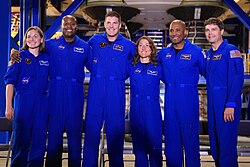
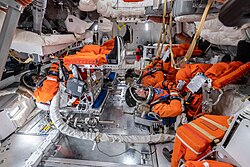
クルーは2025年1月からオリオンの模擬機(モックアップ)を用いて、船内操作や緊急時の対応など、実戦に近いトレーニングを積み重ねました。2026年4月1日の打ち上げ直前には、運用チェックアウトビルディングから宇宙船へと向かう彼らの姿が世界中に配信されました。

飛行ルートとミッションの展開
アルテミスIIの軌道は、打ち上げから帰還まで大きく6つのフェーズに分かれています。まずSLSロケットによって打ち上げられた後、地球近傍の高度でシステムチェックを行い、その後「月遷移軌道投入(TLI)」によって月へと向かいました。
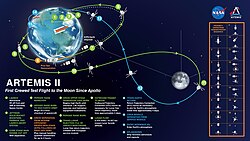
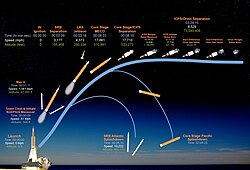
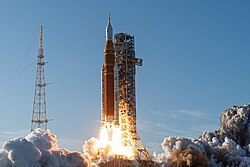
2026年4月1日、ケネディ宇宙センターから力強くリフトオフしたオリオンは、加速と共に地球を離れました。上昇過程で切り離された打ち上げ脱出システム(LAS)の様子も記録されています。
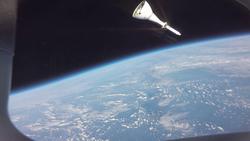
月へ向かう道中、リード・ワイズマン船長は、月光に照らされた地球の夜側を含む「フルディスク(円盤状の地球)」を撮影することに成功しました。これはアポロ計画以来、人間が撮影した初の地球全景写真となりました。

4月6日、宇宙船は月へ最接近し、約6,545kmの距離まで接近しました。この際、月が太陽を遮る日食現象を撮影し、地球照(Earthshine)によって照らされた月の表面やコロナの輝きを捉えるという貴重な体験をしました。
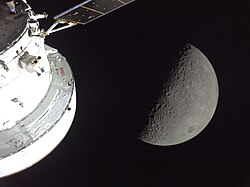
![The crew photographed a solar eclipse, with the Moon blocking out the Sun. Earthshine illuminates parts of the Moon and either or both the solar corona and the zodiacal light are visible as a spiking glow around the Moon.[108]](/images/3c/41/3c41dd0ff756284bed8e6fbe36cd5e54ca5528d35517f9c439cd11c6f8666e48.jpg)
科学実験とテクノロジーの検証
今回のミッションでは、有人飛行の安全性を確保するための高度な技術検証が行われました。特に注目されたのが、深宇宙での高速データ通信を可能にする「光通信システム」の試験です。これにより、将来のミッションではより高精細な映像やデータの送受信が期待されます。
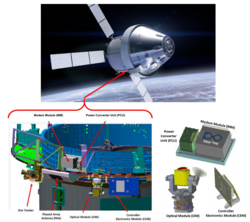
また、二次ペイロードとしてキューブサット(超小型衛星)の統合・放出試験も実施されました。船内では、無重力状態を示すインジケーター「Rise」が導入され、クルーがこのマスコットと共に喜ぶ様子(通称:Moon joy)が公開され、世界中の人々に親しまれました。
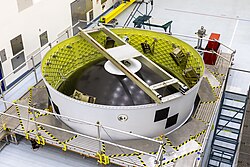


さらに、一般公募による「宇宙へ名前を飛ばそう」キャンペーンを通じて、多くの人々の名前が記された搭乗パスが月まで運ばれました。

地球への帰還とミッションの完遂
月フライバイを終えたオリオンは、正確な軌道修正を経て地球へと向かいました。太平洋への再突入に向けて、機体は猛烈な速度で大気圏に突入し、パラシュートを展開してサンディエゴ南西の海域にスプラッシュダウンしました。
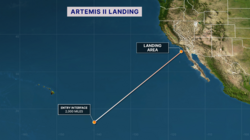
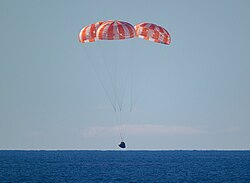
海面に降り立ったクルーは、米海軍のジョン・P・ムルサ号によって速やかに回収されました。ダイバーたちのサポートを受け、無事に救出された彼らは、その後ホワイトハウスでドナルド・トランプ大統領に迎えられ、ミッションの成功を報告しました。
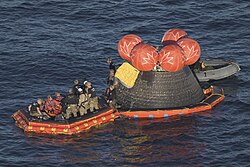

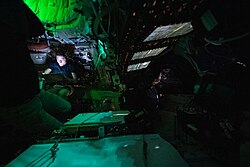
船内での活動記録や、ミッションパッチの裏面に込められた意味など、細部にわたる記録が残されており、これらは次なるアルテミスIII(月面着陸)への確かな礎となりました。

ミッション概要まとめ
| 項目 | 詳細内容 |
|---|---|
| ミッション期間 | 9日 1時間 32分 15秒 |
| 総飛行距離 | 約1,126,922 km |
| 宇宙船名 | オリオン CM-003 「インテグリティ」 |
| 打ち上げ日 | 2026年4月1日 |
| 回収日 | 2026年4月11日 |
| 月最接近距離 | 約6,545 km |
Frequently Asked Questions
アルテミスIIミッションの最大の目的は何でしたか?
最大の目的は、有人宇宙船オリオンとSLSロケットを用いて、人間が安全に月まで往復できることを実証することです。月面への着陸は行わず、月の裏側を回って地球に戻る「フライバイ」形式で、生命維持装置や通信システムの性能を検証しました。
搭乗した宇宙飛行士は誰ですか?
船長のリード・ワイズマン、パイロットのビクター・グローバー、ミッションスペシャリストのクリスティーナ・コック(ともにNASA)、およびジェレミー・ハンセン(カナダ宇宙庁)の4名です。
アポロ計画と何が違うのでしょうか?
アポロ計画は月面着陸を主目的としていましたが、アルテミス計画は持続可能な月面探査を目指しています。アルテミスIIはその準備段階であり、最新のデジタル技術や光通信、改良されたヒートシールドなど、現代の最先端テクノロジーが投入されています。
「Rise」とは何ですか?
Riseは、アルテミスIIミッションのためにデザインされた無重力状態を示すインジケーター(マスコット)です。船内で浮遊することで、クルーや地上に無重力状態であることを視覚的に伝え、ミッションの親しみやすさを演出しました。
ミッション中に撮影された特別な写真はありますか?
はい。リード・ワイズマン船長が撮影した、月光に照らされた地球の夜側を含む「フルディスク(全景)」写真や、月が太陽を遮った際の日食写真などが撮影され、地球へ送信されました。
References
- (April 20, 2026). "Only one chance in this lifetime… Like watching sunset at the beach from the most foreign seat in the cosmos, I couldn't resist a cell phone video of Earthset. You can hear the shutter on the Nikon as @Astro_Christina is hammering away on 3-shot brackets and capturing those exceptional Earthset photos through the 400mm lens. @AstroVicGlover was in window 3 watching with @Astro_Jeremy next to him. I could barely see the Moon through the docking hatch window but the iPhone was the perfect size to catch the view…this is uncropped, uncut with 8x zoom which is quite comparable to the view of the human eye. Enjoy" (). Retrieved April 20, 2026 – via .
- "Nasa panel gives assessment of successful Artemis II mission". BBC. April 10, 2026. Retrieved April 13, 2026.
- @NASA (September 24, 2025). "Integrity. That's what the Artemis II astronauts have decided to name their Orion spacecraft, which will take them from @NASAKennedy on their journey around the Moon and return them safely back to Earth" (). Retrieved September 24, 2025 – via .
- "Orion Reference Guide" (PDF). NASA. November 10, 2022. Retrieved April 7, 2026.
- Low, Lauren E. (April 1, 2026). "Liftoff! NASA Launches Astronauts on Historic Artemis Moon Mission". NASA. Retrieved April 1, 2026.
- Hill, Bill (March 2012). "Exploration Systems Development Status". NASA Advisory Council. Archived from the original (PDF) on February 11, 2017. Retrieved July 21, 2012.
 This article incorporates text from this source, which is in the .
 - Grimm, Linda E.; Zakrzewski, Joseph (April 7, 2026). "Artemis II Flight Day 7: First Return Correction Burn Complete". NASA. Retrieved April 7, 2026.
- . "Jonathan's Space Report No. 855". planet4589.org. Archived from the original on April 6, 2026. Retrieved April 8, 2026.
- Graf, Abby (April 6, 2026). "Artemis II Flight Day 6: Lunar Flyby Updates". NASA. Retrieved April 6, 2026.
 This article incorporates text from this source, which is in the .
📸 フォトギャラリー