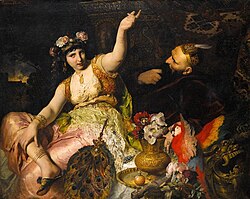
世界中で愛される物語集『アラビアンナイト』(正式名称:千夜一夜物語)は、単なるおとぎ話の集積ではありません。それは中世アラビアの文化、哲学、そして多様な民族の想像力が融合して生まれた壮大な文学的タペストリーです。ある王妃が自らの命を守るために紡ぎ続けた物語は、時代と国境を越え、現代の映画や音楽、ゲームに至るまで多大な影響を与え続けています。
物語の根幹にあるのは、残酷な王シャフリヤールに対し、知恵ある女性シェヘラザードが毎夜物語を語り、結末を翌日に持ち越すことで処刑を免れるという巧みな構成です。
Key Facts
- ジャンル: 枠物語(フレームストーリー)形式の民話集。
- 言語と舞台: 主にアラビア語で記され、中世のイスラム世界を舞台としている。
- 構成: 大きな物語の中に小さな物語が組み込まれる「入れ子構造」が特徴。
- 主要人物: シェヘラザード、シンドバッド、アリババ、アラジンなど。
- 文化的影響: 18世紀にアントワーヌ・ガランによって欧州に紹介され、世界的なブームとなった。
物語の構造と文学的技法
枠物語と入れ子構造
本作の最大の特徴は、枠物語(フレームストーリー)という形式です。シェヘラザードが語る物語の中で、登場人物がさらに別の物語を語り始めるという「物語の中の物語」が繰り返されます。この複雑な構造は、読者を深い幻想世界へと誘うとともに、物語の緊張感を維持させる装置として機能しています。
運命と予兆のテーマ
多くのエピソードに共通して流れているのは、「運命」と「宿命」というテーマです。避けられない運命に翻弄される人々や、予言が結果的に現実となってしまう「自己成就的予言」などの要素が、物語に深い精神的な奥行きを与えています。
多様なジャンルの融合
アラビアンナイトは、単なるファンタジーに留まりません。ミステリーのような犯罪小説的要素、恐怖を煽るホラー、そして超自然的な現象を描くサイエンス・フィクションの先駆けとも言える要素が混在しています。
歴史的変遷と世界への伝播
起源と影響
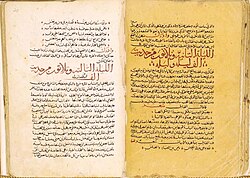
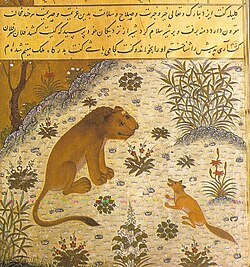
この物語集は、単一の著者が書いたものではなく、長い年月をかけて編纂されました。インドの『パンチャタントラ』などの影響を受けたペルシャの原型(ヘザール・アフサン)があり、それがアラビア語圏で発展し、現在の形になったと考えられています。
欧州への紹介と翻訳
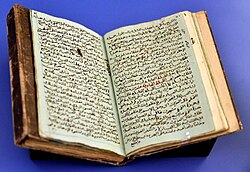
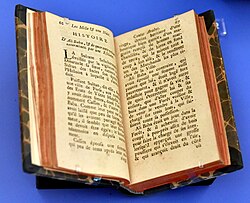
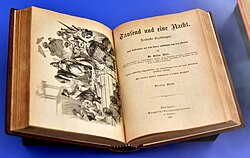
18世紀初頭、フランスの外交官アントワーヌ・ガランが翻訳して出版したことで、ヨーロッパに衝撃を与えました。その後、ドイツのグスタフ・ヴァイルなど多くの学者が翻訳を行い、世界的な古典としての地位を確立しました。
象徴的な物語とキャラクター
現代でも広く知られるエピソードには、それぞれ異なる魅力があります。例えば、七つの海を旅するシンドバッドの冒険譚や、盗賊の隠れ家を見つけたアリババの物語、そして魔法のランプを手に入れたアラジンの物語などが挙げられます。
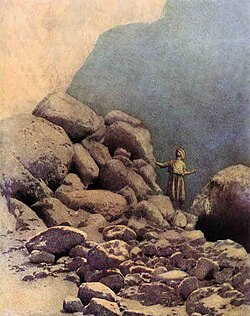
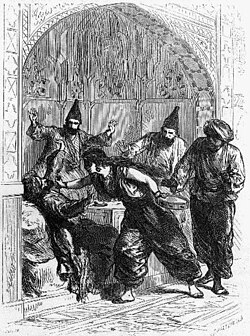
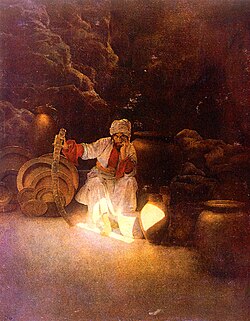
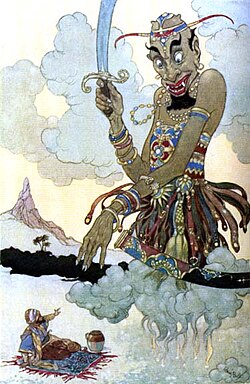
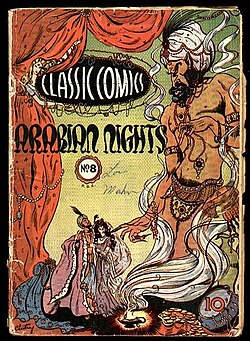
また、ジニー(魔神)や空飛ぶ絨毯、巨大な鳥ルクといった幻想的なガジェットは、アラビア文化における想像力の象徴として定着しています。
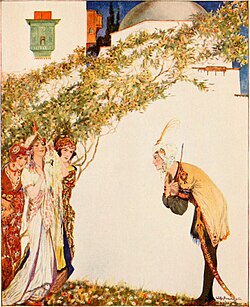
![The story of Princess Parizade and the Magic Tree by Maxfield Parrish, 1906[33]](/images/6a/e1/6ae117597cd09524dda77b88fab4cbf738c945c7fe7335e0fe64b070264aeb4d.jpg)
芸術と文化への影響
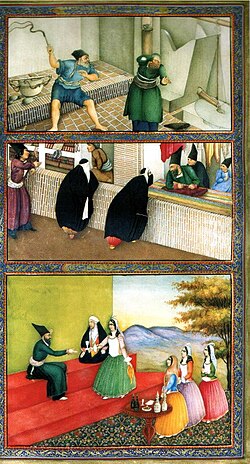
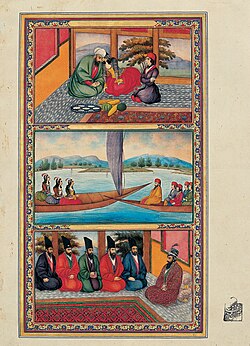
アラビアンナイトの幻想的な世界観は、視覚芸術や音楽にも大きなインスピレーションを与えました。19世紀から20世紀にかけて、多くの画家がその情景を描き出し、またリムスキー=コルサコフやラヴェルといった作曲家が交響詩や組曲として音楽的に表現しました。
主要な影響を受けた芸術分野
| 分野 | 具体例・特徴 |
|---|---|
| 音楽 | リムスキー=コルサコフ『シェヘラザード』、ラヴェル『シェヘラザード』 |
| 映画 | 『バグダッドの泥棒』、ディズニー映画『アラジン』 |
| 美術 | オリエンタリズムに基づく絵画、アラビア細密画(ミニチュール) |
| 文学 | 現代のファンタジー小説や児童文学の構成技法 |
Frequently Asked Questions
アラビアンナイトの物語はすべて同じではありませんか?
いいえ、時代や翻訳者によって内容が異なります。初期のコアとなる物語に、後から各地の民話や創作話が付け加えられたため、版によって収録されているエピソードや詳細が異なります。
「ジニー」とはどのような存在ですか?
アラビア伝承における精霊の一種で、強力な魔力を持ち、ランプや瓶に閉じ込められていることが多い存在です。人間に仕えることもあれば、敵対することもあります。
なぜ「1001夜」という数字なのですか?
1001という数字は、単なる日数ではなく「限りなく多いこと」を象徴する表現です。シェヘラザードが絶え間なく物語を紡ぎ続けたことを強調しています。
アラジンやアリババは最初から物語に含まれていましたか?
実は、アラジンやアリババの物語は、初期のアラビア語原典には含まれていなかったと言われています。アントワーヌ・ガランがシリア人の語り手から聞き書きし、後から追加したエピソードであると考えられています。
References
- Marzolph, Ulrich (2007). "Arabian Nights". In Kate Fleet; Gudrun Krämer; Denis Matringe; John Nawas; Everett Rowson (eds.). Encyclopaedia of Islam (3rd ed.). :10.1163/1573-3912_ei3_COM_0021.
Arabian Nights, the work known in Arabic as Alf layla wa-layla
- See illustration of title page of Grub St Edition in Yamanaka and Nishio (p. 225)
- Ben Pestell; Pietra Palazzolo; Leon Burnett, eds. (2016). Translating Myth. Routledge. p. 87. .
- Marzolph (2007), "Arabian Nights", Encyclopaedia of Islam, vol. I, Leiden: Brill.
- John Payne, Alaeddin and the Enchanted Lamp and Other Stories, (London 1901) gives details of Galland's encounter with 'Hanna' in 1709 and of the discovery in the Bibliothèque Nationale, Paris of two Arabic manuscripts containing Aladdin and two more of the added tales. Text of "Alaeddin and the enchanted lamp"
- Horta, Paulo Lemos (2017-01-16). Marvellous Thieves. Harvard University Press. .
- Doyle, Laura (2020-11-02). Inter-imperiality: Vying Empires, Gendered Labor, and the Literary Arts of Alliance. Duke University Press. .
- The Arabian Nights, translated by Malcolm C. Lyons and Ursula Lyons (Penguin Classics, 2008), vol. 1, p. 1
- (September 2003). The Book of the Thousand Nights and a Night, Volume 1. . Archived from the original on 2012-01-18. Retrieved 2008-10-17.
- Ulrich Marzolph, Richard van Leeuwen, Hassan Wassouf (2004). The Arabian Nights Encyclopedia. . p. 370. .
📸 フォトギャラリー