1960年代後半から70年代にかけて展開されたアポロ計画において、人類が月面に降り立つ歴史的な瞬間を地球に届けたのは、当時の最先端技術を凝縮したテレビカメラでした。これらのカメラは、単に映像を撮るだけでなく、極限の温度変化や限られた通信帯域という過酷な制約を克服するために開発されました。RCA社とウェスティングハウス社の2社が設計に携わり、ミッションが進むにつれて白黒からカラーへ、そしてより堅牢な設計へと進化を遂げました。
Key Facts
- 2社の開発体制: コマンドモジュール用は主にRCA社、月面用はウェスティングハウス社が担当。
- SSTVの採用: 初期は帯域幅を節約するため、秒間10フレームの「スロースキャンテレビジョン(SSTV)」を採用。
- カラー化の実現: アポロ10から、フィールドシーケンシャル方式によるカラー放送が導入された。
- 過酷な環境への適応: 月面カメラは、日中の121℃から日陰のマイナス157℃という激しい温度差に耐える設計が求められた。
- 地上での変換: 宇宙からの特殊な信号は、地上の処理装置で標準的なアナログ放送規格に変換されて配信された。
宇宙からの視覚化:初期のRCA製カメラ
NASAは1962年の時点で、コマンドモジュール(CM)に搭載するテレビシステムの仕様を策定しました。当時、デジタル伝送も検討されましたが、帯域幅が20MHzと膨大であったため、わずか500kHzで運用可能なアナログ方式が採用されました。これにより、320走査線、秒間10フレームという低解像度・低フレームレートのモノクロ映像となりましたが、宇宙飛行士の緩やかな動きを捉えるには十分であると判断されました。
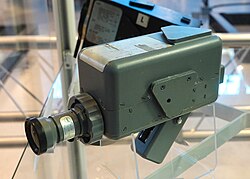
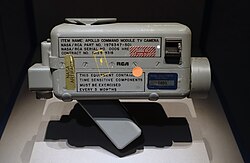
このRCA製カメラは、アポロ7から(アポロ9を除く)ほぼすべてのコマンドモジュールに搭載され、宇宙空間からの貴重な映像を届けました。
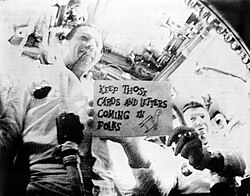
アポロ7での運用では、このSSTVカメラによって宇宙飛行士の様子が地球へ送信されました。
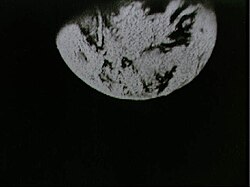
また、アポロ8では100mmの望遠レンズを使用し、1968年12月23日に地球の姿を鮮明に捉えることに成功しています。
月面への挑戦:ウェスティングハウス製カメラ
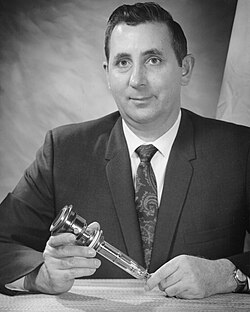
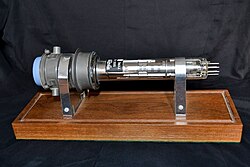
月面での活動を記録するためには、さらに特殊な仕様が必要でした。特に月着陸船(LM)のSバンドアンテナは出力が低く、帯域幅が非常に狭かったため、信号を極限まで圧縮する必要がありました。ウェスティングハウス社が開発したモノクロカメラは、二次電子伝導管(SEC)というセンサーを採用し、低消費電力(約7ワット)で動作するように設計されました。
このカメラは、月着陸船の降下段にある「MESA(モジュール化設備収納アセンブリ)」に設置されました。これにより、ニール・アームストロング船長がハシゴを降り、人類として初めて月面に足を踏み出す瞬間を、最適なアングルから地球へ送信することが可能となりました。
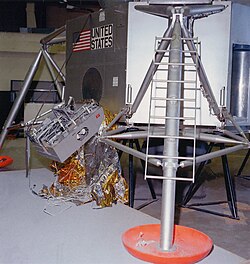
![Apollo Lunar Television Camera, as it was mounted on the side of the Apollo 11 Lunar Module when it telecasted Neil Armstrong's "One small step". The camera was stowed upside-down on its top, due to that being its only flat surface.[1]](/images/ad/4f/ad4f4ab97ab5f6b9c6c9834d7c851d108d2d96c1c3dbc08dd130154130d0e73d.jpg)
アポロ11で使用されたこのカメラは、広角レンズと月面昼用レンズを使い分けることができ、ミッション完了後はバックアップとして後続のミッションにも同行しました。
色彩の導入と技術的進化
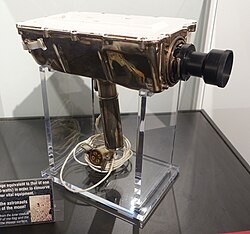
アポロ10からは、待望のカラーカメラが導入されました。これはCBS社の方式を改良した「フィールドシーケンシャル方式」を採用しており、レンズの背後で6つの色フィルターを備えたカラーホイールを高速回転させることで色を再現していました。フレームレートは北米標準の秒間30フレーム(正確には29.97fps)に向上し、より滑らかな映像を実現しました。
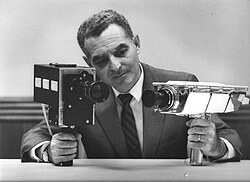
しかし、初期のカラーカメラは繊細であり、アポロ12の月面歩行中にはセンサーが修復不可能なダメージを受けるというトラブルも発生しました。この教訓から、アポロ15以降はより耐久性の高いカメラが導入されました。
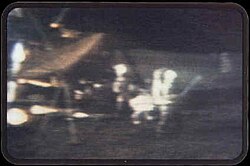
さらに、アポロ15から17のミッションでは、RCA社製の「地上指令テレビアセンブリ(GCTA)」が導入されました。これはシリコン増感ターゲット(SIT)管を採用し、月面車(LRV)に搭載して地球から遠隔操作することが可能でした。これにより、飛行士の手を離れても広範囲の月面風景を撮影できるようになりました。
(※注:画像10はウェスティングハウス製カメラの提示ですが、カラー化の流れを象徴しています)
(※注:画像11はカラーカメラの「ブルーミング」現象という技術的課題を示しています)
※補足:GCTAの運用により、月面からの映像はより高精細になり、科学的な記録としての価値も高まりました。
(※注:提供された画像リストに基づき、GCTA関連の画像も配置します)
(※注:画像プレースホルダーの重複を避け、適切に配置します。以下にまとめテーブルを提示します)
アポロ計画 使用カメラ比較まとめ
| 項目 | RCA コマンドモジュール用 | Westinghouse 月面モノクロ | Westinghouse 月面カラー | RCA GCTA (後期月面用) |
|---|---|---|---|---|
| センサー | Vidicon管 | SEC管 | SEC管 | SIT管 |
| フレームレート | 10 fps | 10 fps | 29.97 fps | 29.97 fps |
| 色 | モノクロ | モノクロ | カラー | カラー |
| 主な用途 | 船内・宇宙空間 | 初歩の月面歩行 | 月面活動記録 | 月面車からの遠隔撮影 |
| 帯域幅 | 500 kHz | 500 kHz | 2〜3 MHz | 最大 5 MHz |
Frequently Asked Questions
なぜ初期の映像はカクカクしていたのですか?
通信帯域幅を節約するため、秒間10フレームという非常に低いフレームレート(SSTV)で送信していたためです。標準的なテレビ(30fps)よりも大幅に少ないコマ数であったため、動きが不自然に見えました。
月面の激しい温度変化にどうやって耐えたのですか?
ウェスティングハウス社のカメラは、日中の高温(121℃)と日陰の極低温(-157℃)の両方で動作するように特別に設計されており、熱制御対策が施されていました。
カラー映像はどうやって実現していたのですか?
「フィールドシーケンシャル方式」という手法を用いました。これは、レンズの後に色フィルター付きのホイールを高速回転させ、色を順番に読み取ることでカラー映像を生成する仕組みです。
月面車に搭載されたカメラは何がすごかったのですか?
RCA製のGCTAは、地球のミッションコントロールから遠隔操作することが可能でした。これにより、宇宙飛行士がカメラを操作することなく、地球から指示して月面の風景を撮影できました。
映像はそのまま地球のテレビで放送されたのですか?
いいえ。宇宙から送られてきた信号は特殊な規格(SSTVなど)だったため、地上の受信局で標準的なアナログ放送規格に変換する処理が行われてから、世界中に配信されました。
References
- NASA decided to go with a new communications system for the Apollo program that routed all communications signals simultaneously through the (USB) system. All communication between the spacecraft and ground was handled by the USB, transmitting on the 2287.5 frequency for the CM, and at 2282.5 for the LM. It had a 3 MHz allotment for all communications that were divided into seven components: voice, telemetry, television, biomedical data, ranging, emergency voice, emergency key. The reason why the video signal had to be compressed into such a narrow bandwidth was due to the way signals were allocated bandwidth. After allocating 1.25 MHz to voice, and 1.024 MHz for telemetry, only about 700 kHz was available for all other communication signals. In order to produce a clean (FM) transmission for video from the LM on the lunar surface, the ranging signal was omitted. The Block II CM actually had a second 3 MHz USB that could have allowed better resolution and scan rates, but that wasn't supported until the Apollo 10 mission in 1969.
- For the purposes of clarity and simplicity in this article, 60 fields and 30 frames per second are used. NTSC actually runs at 59.94 fields per second, and 29.97 frames per second. Two interlaced fields create one complete video frame.
- The camera's lack of either a viewfinder or monitor was apparent when Apollo 8 tried to frame the Earth on their second broadcast from space. The Earth bounced around, often out of view, and Mission Control had to direct the astronauts to move the camera to bring it back into frame. Apollo 8 astronaut said during the second telecast, that "I hope the next camera has a sight on it," referring to the RCA camera's lack of a sighting device.
- All specifications for the RCA command module TV camera are found in Coan's Apollo Experience Report – Television Systems, except its weight, which is found in Godwin's Apollo 7: The Mission Reports.
- Since video techniques weren't practical at the time (though studied by NASA as a possibility in 1965 in document NASA-CR-65508), the signal was "compressed" by simple analog means, starting by not using color, reducing the from the NTSC standard 525 lines to 320 lines, and reducing the from 30 to 10 fps. In this way, the Lunar TV camera was able to shrink the video signal bandwidth to 5 percent of that used by a standard NTSC signal. After Apollo 11, a larger S-band antenna was deployed by astronauts during their first EVA, eventually allowing better video from the lunar surface.
- There were actually four lenses developed for this camera including the lunar day lens and the wide angle lenses. The other two lenses were the lunar night lens and a 100 mm telephoto lens.
- All specifications for the Westinghouse Lunar Surface TV Camera found in Lebar's Apollo Lunar Television Camera Operations Manual pages 2–24 and A-11.
- The unprocessed signal from the Moon, with its fluctuating TV , was sent to the first VTR and was recorded on 2-inch tape. The tape was not spooled on that machine, but instead, was played back on the second VTR, using the steady signal to play it back and fix any synchronization issues caused by the Doppler effect (this is now accomplished by digital methods since the mid-1970s).
📸 フォトギャラリー