1968年、人類は地球の重力を振り切り、初めて別の天体の軌道に到達するという壮大な挑戦に挑みました。それがNASAによるアポロ8号ミッションです。この任務は単なる技術的な実証にとどまらず、宇宙から見た地球の美しさと脆さを世界に知らしめ、人類の視点を根本から変える転換点となりました。
ミッションの象徴ともいえる記念メダルは、当時の宇宙飛行士たちの誇りと挑戦の証として今に伝えられています。
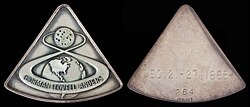
Key Facts
- ミッション目的: 人類初の有人月周回飛行の完遂。
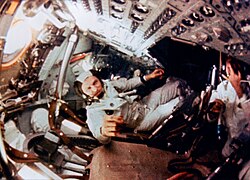
- 乗組員: フランク・ボーマン、ジェームズ・ラヴェル、ウィリアム・アンダースの3名。
- 使用ロケット: 超大型ロケット「サターンV(SA-503)」。
- 最大到達距離: 地球から約377,349キロメートル。
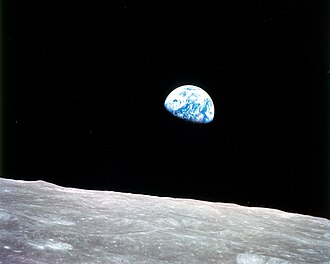
- 歴史的成果: 月の裏側への到達と、有名な写真「地球の出(Earthrise)」の撮影。
ミッションの準備と打ち上げ
アポロ8号の成功を支えたのは、徹底した準備と巨大なハードウェアでした。宇宙船はノースアメリカン・ロックウェル社が製造したコマンド・サービス機(CSM-103)であり、月着陸船のテストモデル(LTA-B)を搭載して打ち上げられました。
打ち上げ準備の段階では、巨大な車両組立棟(VAB)にてサターンVロケットの各段が慎重に組み上げられました。
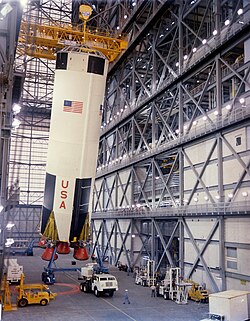
その後、宇宙船がロケットに結合され、最終的なチェックが行われました。
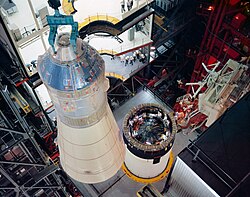
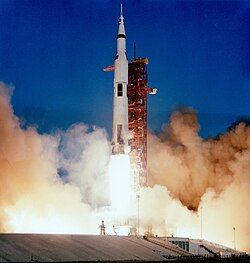
1968年12月21日、フロリダ州ケネディ宇宙センターの39Aパッドから、アポロ8号は轟音と共に夜空へ舞い上がりました。巨大なクローラー・トランスポーターによって運ばれたサターンVは、人類を月へと導く唯一の手段でした。
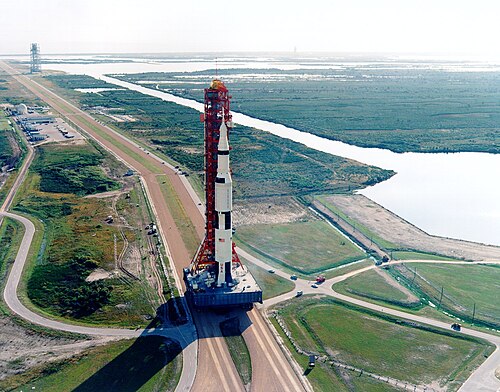
打ち上げ直後、ロケットは段階的にステージを切り離し、最終的に第3段(S-IVB)が宇宙船を地球周回軌道に乗せ、さらに月へと向かう「月遷移軌道(TLI)」へと加速させました。
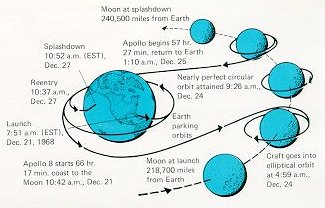
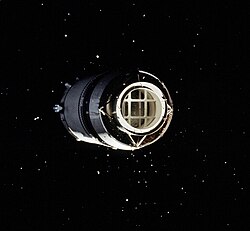
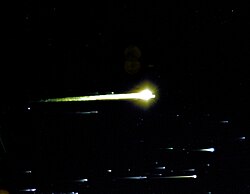
地球を離れた後、S-IVBステージは切り離されました。この際、テスト用の月着陸船モデルが一緒に分離される様子が記録されています。
月周回と「地球の出」の衝撃
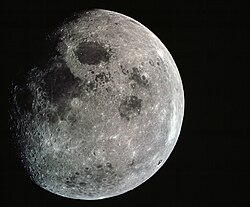
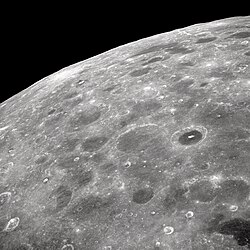
12月24日、アポロ8号は計画通りに月の軌道に投入されました。乗組員は計10回の周回を行い、人類で初めて月の裏側という、地球から決して見えない領域に到達しました。
この旅の中で、ウィリアム・アンダースは歴史に残る一枚の写真を撮影しました。暗黒の宇宙と灰色の月面を背景に、青く輝く地球が昇ってくる様子を捉えた「地球の出」です。この画像は、地球という惑星の孤独さと尊さを世界に突きつけました。
![The first image taken by humans of the whole Earth, probably photographed by William Anders.[57] (time tag: 003:42:55) South America is visible in the lower half.](/images/0c/03/0c03a1cdf6f9e828c65e4c544f2b39df5a36c5c485af2fd949fd08f6e32b18f1.jpg)
軌道上の乗組員たちは、月面を詳細に観察し、地球へ向けてメッセージを送信しました。彼らが捉えた月面の風景は、後の月着陸ミッションにとって極めて重要なデータとなりました。
地球への帰還とミッションの完遂
月での任務を終えたアポロ8号は、12月25日に月軌道を離脱し、地球への帰還路につきました。再突入の際、宇宙船は猛烈な速度で大気圏に突入し、パラシュートを展開して北太平洋へと降下しました。
12月27日、ハワイ南西の海域にて、米海軍のヨークタウン号によって無事に回収されました。乗組員たちは、過酷な旅を終えて歓喜に沸く回収チームに迎えられました。
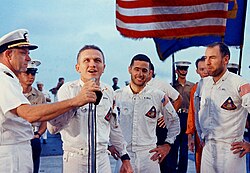
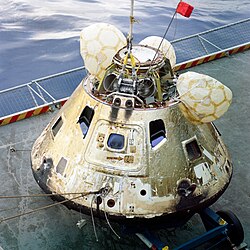
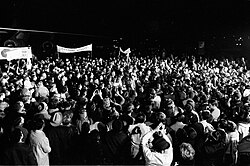
ヒューストンに戻った彼らは、英雄として迎えられ、このミッションの成功はアポロ11号による月面着陸への道を切り拓く決定的な一歩となりました。
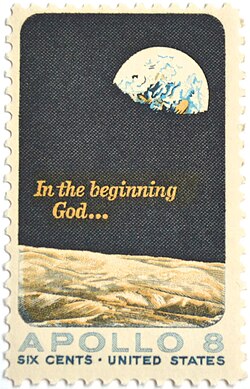
この偉業は、後に切手などの記念品としても発行され、人類の記憶に刻まれています。
ミッション概要まとめ
アポロ8号の主要なスペックとスケジュールを以下の表にまとめます。
| 項目 | 詳細内容 |
|---|---|
| ミッション期間 | 6日 3時間 42秒 |
| 乗組員 | フランク・ボーマン、ジェームズ・ラヴェル、ウィリアム・アンダース |
| 打ち上げ日 | 1968年12月21日 |
| 回収日 | 1968年12月27日 |
| 宇宙船 | アポロ CSM-103 |
| 打ち上げ質量 (CSM) | 28,870 kg |
| 月周回回数 | 10回 |
Frequently Asked Questions
アポロ8号は月に着陸しましたか?
いいえ、アポロ8号は月周回ミッションであり、月面に降り立つことはしていません。目的は有人での月軌道投入と周回、および月面の観測でした。
「地球の出」写真は誰が撮影しましたか?
一般的に、乗組員の一人であるウィリアム・アンダースが撮影したとされています。
使用されたロケットは何ですか?
史上最強のロケットの一つであるサターンV(SA-503)が使用されました。
ミッションの期間はどのくらいでしたか?
打ち上げから回収まで、合計で6日3時間42秒かかりました。
月着陸船は搭載されていましたか?
飛行可能な本物の月着陸船ではなく、重量バランスを調整するためのテスト用モデル(LTA-B)が搭載されていました。
References
- Serial numbers were initially assigned by the in the format "SA-5xx" (for Saturn-Apollo). By the time the rockets achieved flight, the started using the format "AS-5xx" (for Apollo-Saturn).
- Lunar Module Pilot was the official title used for the third pilot position in Block II missions, regardless of whether the was present or not.
- On a lunar mission, the Command Module Pilot was assigned the role of , while the Lunar Module Pilot was assigned the role of , responsible for monitoring all spacecraft systems, even if the flight did not include a lunar module. The navigational systems console was in front of the center seat and the environmental and electrical systems console in front of the right hand seat.
- NFL's website erroneously states that performed the anthem, but 's broadcast of game, available from the 's collection, shows that Geisler performed it.
📸 フォトギャラリー