1970年4月、人類を再び月へと運ぶはずだったアポロ13号は、宇宙空間で予期せぬ大事故に見舞われました。月面着陸という本来の目的は絶たれましたが、絶望的な状況下で乗組員と地上管制チームが示した不屈の精神と機転は、結果としてNASA史上最も劇的な救出劇となりました。本記事では、この「成功した失敗」と呼ばれるミッションの全貌を辿ります。
主要データまとめ
| 項目 | 詳細内容 |
|---|---|
| ミッション期間 | 5日 22時間 54分 41秒 |
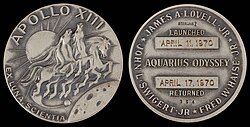
| 乗組員 | ジム・ロヴェル(船長)、ジャック・スワイガート、フレッド・ヘイズ |
| 使用機体 | 司令・機械船(CSM)オデッセイ / 月着陸船(LM)アクエリアス |
| 打ち上げロケット | サターンV (SA-508) |
| 打ち上げ日 | 1970年4月11日 |
| 回収日 | 1970年4月17日(南太平洋に飛沫着水) |
Key Facts
- 目的の変更:月面着陸を目指したが、事故により月周回後の地球帰還へと目的が切り替わった。
- 致命的な故障:サービスモジュールの酸素タンク爆発により、電力と酸素の供給源を喪失した。
- 生命維持の工夫:月着陸船を「救命ボート」として利用し、二酸化炭素除去装置を即席で改造して生存を図った。
- 劇的な帰還:月を回り込む自由帰還軌道を利用し、極限状態の中で地球への再突入に成功した。
ミッションの準備と出発
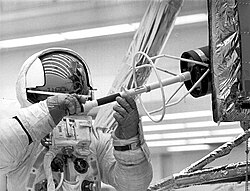
アポロ13号の乗組員であるジム・ロヴェル、ジャック・スワイガート、フレッド・ヘイズの3名は、過酷な訓練を積み重ねていました。彼らはハワイでの地質学トレーニングや、月面での旗立て、科学装置の展開など、詳細なシミュレーションを繰り返していました。
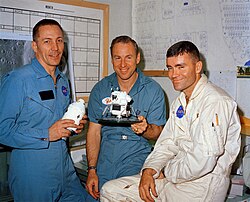
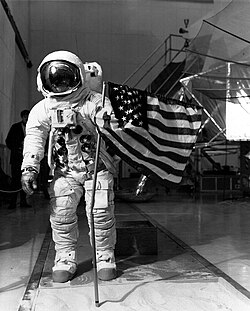
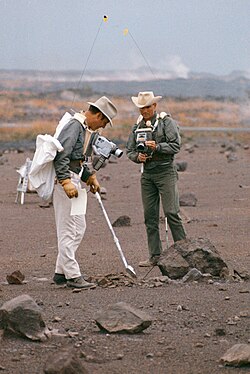
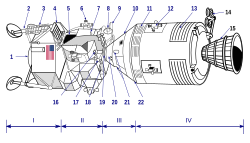
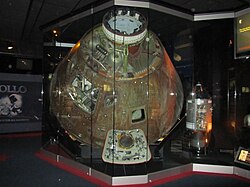
月着陸船「アクエリアス」の準備も万全で、放射性物質を含む燃料カプセルの取り扱い訓練なども行われていました。彼らが搭乗した司令・機械船「オデッセイ」は、当時の最先端技術の結晶でした。
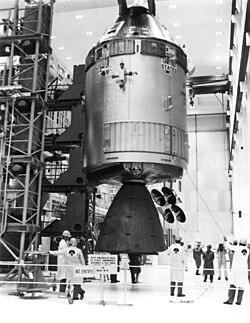
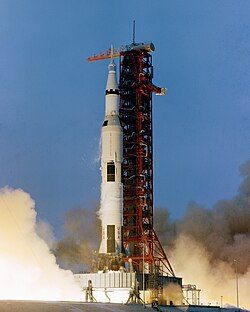
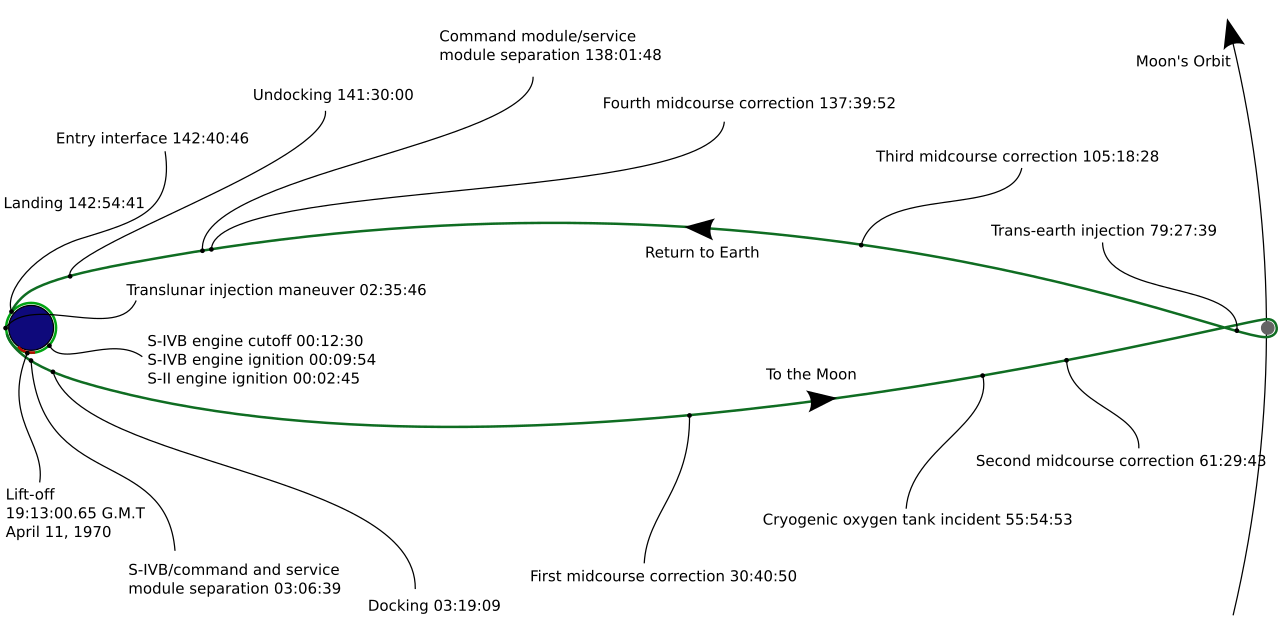
1970年4月11日、ケネディ宇宙センターから巨大なサターンVロケットによって打ち上げられたアポロ13号は、順調に地球軌道を離れ、月へと向かいました。
宇宙空間での惨劇:酸素タンクの爆発
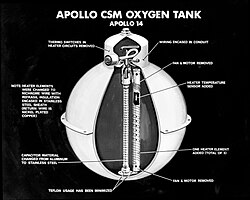
ミッション開始から約56時間後、衝撃的な事態が発生します。サービスモジュール内の酸素タンク2号に異常が起き、爆発したのです。これにより、船内の酸素供給だけでなく、電気を生成するための燃料電池までもが失われました。
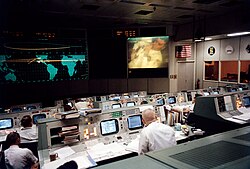
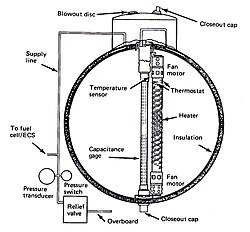
「ヒューストン、問題が発生した」という有名な報告と共に、ミッションは一転して生存をかけた戦いへと変わりました。月面着陸は不可能となり、最優先事項は「いかにして乗組員を生きて地球に帰すか」となりました。
極限状態でのサバイバルと機転
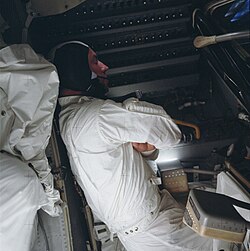
乗組員は、本来は月面降下に使用するはずだった月着陸船(LM)アクエリアスに避難しました。しかし、LMは3人を長期間維持するための設計ではなく、電力と水、そして酸素が極めて限定的でした。
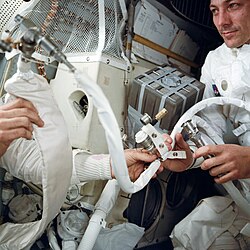
特に深刻だったのが、船内に蓄積する二酸化炭素でした。司令船用の四角いリチウム水酸化物キャニスター(二酸化炭素吸収剤)を、丸い形状のLM用装置に適合させるため、ダクトテープやプラスチック袋を用いた即席の改造装置が作られました。

また、電力を節約するために船内のヒーターをほぼ全て切ったため、機内は氷点下に近い極寒となりました。ロヴェル船長をはじめとする乗組員は、凍えるような寒さと睡眠不足、そして精神的なプレッシャーの中で耐え忍びました。
地球への帰還と「成功した失敗」
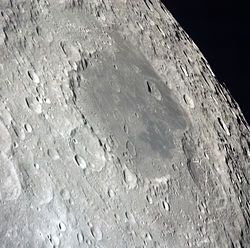
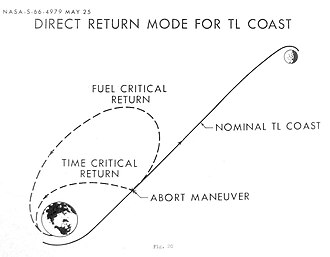
地上管制センターと協力し、月を回り込む軌道を利用して地球へ戻るルートが策定されました。彼らは月をかすめるように通過し、その重力を利用して加速して地球へと向かいました。
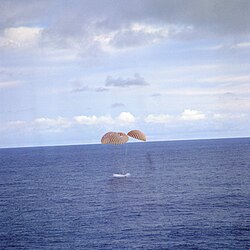
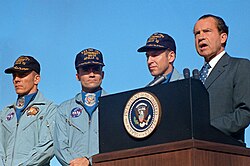
4月17日、アポロ13号は南太平洋に無事着水し、USSアイウォ・ジマによって回収されました。この出来事は世界中で報じられ、多くの人々が彼らの生還を祈っていました。帰還後、彼らはリチャード・ニクソン大統領から自由勲章を授与されました。
![Nobody believes me, but during this six-day odyssey, we had no idea what an impression Apollo 13 made on the people of Earth. We never dreamed a billion people were following us on television and radio, and reading about us in banner headlines of every newspaper published. We still missed the point on board the carrier Iwo Jima, which picked us up, because the sailors had been as remote from the media as we were. Only when we reached Honolulu did we comprehend our impact: there we found President Nixon and [NASA Administrator] Dr. Paine to meet us, along with my wife Marilyn, Fred's wife Mary (who, being pregnant, also had a doctor along just in case), and bachelor Jack's parents, in lieu of his usual airline stewardesses.— Jim Lovell[138]](/images/e1/7d/e17dd96bfeef4d276e9263315eb9d3e7fc66a7844e8701b9d0d887e6bb830eab.jpg)
後の調査で、事故の原因は酸素タンクのヒーターとサーモスタットの不具合であったことが判明し、次回のアポロ14号ではタンクの設計が見直されました。月面着陸こそ果たせませんでしたが、絶望的な状況から人間を救い出したこのミッションは、NASAにとって最高の危機管理能力を証明した「成功した失敗」として歴史に刻まれています。
Frequently Asked Questions
なぜ月面着陸を諦めなければならなかったのですか?
サービスモジュールの酸素タンクが爆発し、生命維持に必要な酸素と、電力を供給する燃料電池が失われたためです。月面着陸に必要なリソースが完全に不足し、生存して帰還することが最優先となりました。
月着陸船(LM)はどのように役立ったのですか?
司令船の電力が尽きたため、月着陸船を「救命ボート」として利用しました。LMに搭載されていた限定的な電力と酸素、そして推進システムを使うことで、乗組員は生存し、地球への帰還軌道を維持することができました。
二酸化炭素の問題をどうやって解決したのですか?
司令船用の四角い二酸化炭素吸収フィルターを、月着陸船の丸い接続口に適合させるため、機内にある資材(ダクトテープやカバーなど)を使って即席の変換アダプターを製作し、空気浄化機能を回復させました。
このミッションから得られた教訓は何ですか?
ハードウェアの設計上の欠陥(酸素タンクの断熱やヒーターの問題)が明確になり、後のミッションで改善されました。また、想定外の事態に対する地上管制と乗組員の連携、即興のエンジニアリングによる問題解決の重要性が証明されました。
References
- The event is described as an explosion in modern NASA histories and accounts by the crew. However, the formal accident report avoids the use of the term. NASA engineers at the time preferred "tank failure", both because it was more accurate and to avoid the negative connotations around the word "explosion".
- No Apollo astronaut flew without life insurance, but the policies were paid for by private third parties whose involvement was not publicized.
- The role of the backup crew was to train and be prepared to fly in the event something happened to the prime crew. Backup crews, according to the rotation, were assigned as the prime crew three missions after their assignment as backups.
- Some sources list Kerwin and others list Pogue as the third member
- Per . A reconstruction of the trajectory by astrodynamicist Daniel Adamo in 2009 records the furthest distance as 400,046 kilometers (248,577 mi) instead.
- The others were Robert F. Allnutt (Assistant to the Administrator, NASA Hqs.); John F. Clark (Director, Goddard Space Flight Center); Brig. General Walter R. Hedrick Jr. (Director of Space, DCS/RED, Hqs., USAF); Vincent L. Johnson (Deputy Associate Administrator-Engineering, Office of Space Science and Applications); (Manager, AEC-NASA Space Nuclear Propulsion Office); (Director, Ames Research Center).
📸 フォトギャラリー