アングリカン(聖公会)は、キリスト教の中でも非常にユニークな立ち位置を持つ教派です。しばしば「カトリックであり、かつ改革された(Catholic and Reformed)」と表現されるように、古代教会の伝統的な形式を維持しながら、プロテスタントの改革精神を取り入れた「中道(Via Media)」の道を歩んできました。世界中に広がる聖公会共同体は、多様な神学的解釈を許容しつつ、共通の祈りと礼拝を通じて結ばれています。
Key Facts
- 世界的な規模: 世界に約1億1,000万人の信者がおり、ローマ・カトリック、正教会に次ぐ世界第3位のキリスト教共同体である。
- 精神的中心: カンタベリー大主教が聖公会共同体の象徴的な指導者として機能している。
- 信仰の基盤: 聖書、伝統、理性の三つの柱を重視し、特定の教義に固執しすぎない多様性を特徴とする。
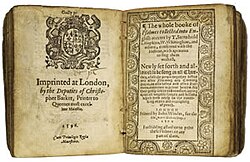
- 礼拝の核: 『共通祈祷書(Book of Common Prayer)』に基づいた典礼的な礼拝を大切にしている。
聖公会の成り立ちと歴史的展開
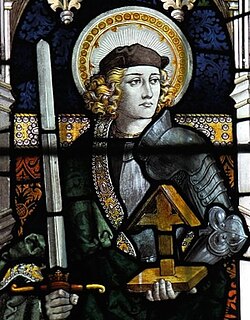
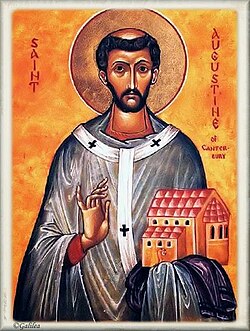
聖公会のルーツは、古代英国のキリスト教にまで遡ります。初期の英国では、聖アルバンが最初の殉教者として崇敬され、その後、カンタベリーのアウグスティヌスによって組織的な教会体制が築かれました。
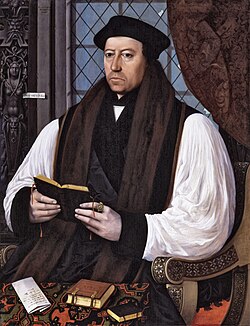
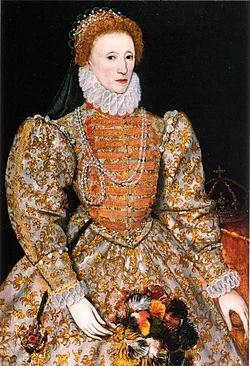
大きな転換点となったのは、16世紀のイングランド宗教改革です。ヘンリー8世によるローマ・カトリック教会からの分離を経て、トマス・クランマーらが『共通祈祷書』を編纂し、英語による礼拝を確立しました。その後、エリザベス1世が「最高総督」として教会を再編し、カトリック的な構造とプロテスタント的な教義を融合させた現在の聖公会の基礎が固まりました。
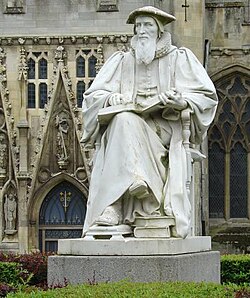
16世紀末から17世紀にかけては、リチャード・フッカーのような神学者が、聖公会のアイデンティティを理論的に構築しました。彼は、聖書だけでなく、教会の伝統と人間の理性を調和させる重要性を説きました。
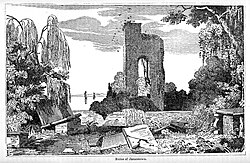
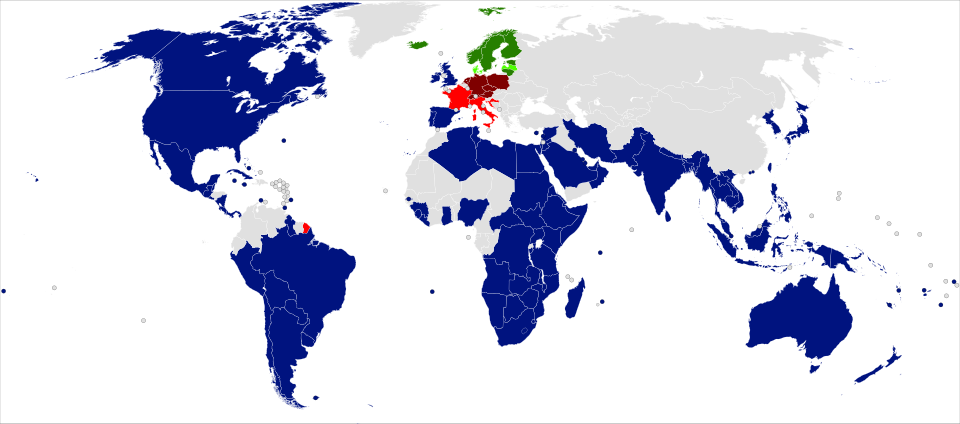
その後、聖公会は英国の国境を越えて世界中に広がりました。北米への伝播は、バージニア州ジェームズタウンに建てられた教会などがその象徴であり、現在ではアフリカやアジアを含む世界的な「聖公会共同体(Anglican Communion)」へと発展しています。
信仰の特質と礼拝の形式
聖公会の信仰は、厳格な教条主義よりも、共通の礼拝形式(典礼)を通じて信仰を共有することを重視します。その中心となるのが『共通祈祷書』であり、これにより信者は統一された祈りのリズムを共有します。
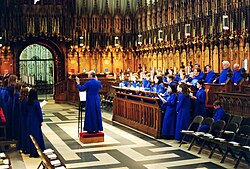
礼拝の形態は多岐にわたります。カトリックに近い荘厳な形式を好む「ハイチャーチ(高教会派)」から、よりシンプルで説教を重視する「ローチャーチ(低教会派)」まで、幅広いスペクトラムが存在します。例えば、ヨーク・ミンスターで行われるイブンスング(夕べの祈り)のような伝統的な形式から、現代的な礼拝まで共存しています。
聖職者の役割と階級
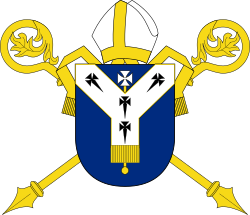
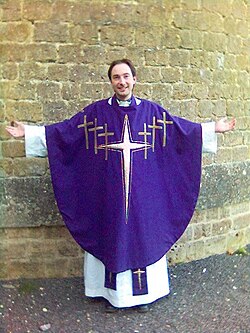
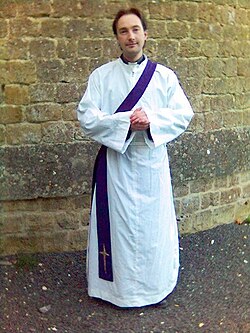
聖公会は、主教(ビショップ)、司祭(プリースト)、執事(ディーコン)という三段階の聖職位を維持しています。これは「使徒継承」という古代教会の伝統を継承していることを意味します。
日々の祈りと聖餐
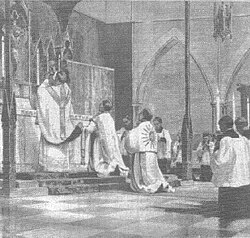
聖公会では、朝の祈りと夕べの祈りといった「日課(Daily Office)」が大切にされています。また、聖餐式(ユーカリスト)は信仰生活の頂点とされ、19世紀のカトリック復興運動以降、東向きの祭壇で行われる荘厳なミサ形式が再び注目されるようになりました。
現代における聖公会と社会
現代の聖公会は、社会正義や人権問題に対しても積極的に関与しています。アパルトヘイトへの反対運動や、平和主義、環境保護など、キリスト教的価値観に基づいた社会活動を展開しています。
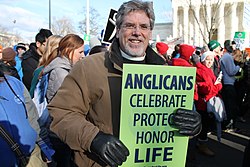
一方で、女性の司祭叙任や同性愛への対応など、現代的な倫理課題を巡っては、保守的な地域とリベラルな地域の間で神学的な対立が生じており、共同体内部での対話と調整が続いています。
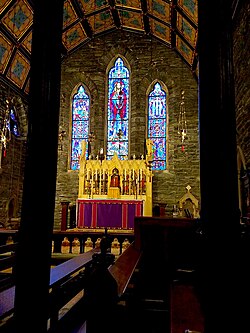
また、建築面でも聖公会は豊かな遺産を残しており、リンカーン大聖堂やダブリンのクライストチャーチ大聖堂などは、その精神性と芸術性の象徴となっています。
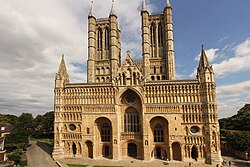
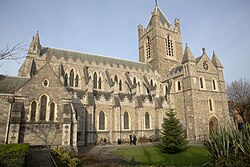
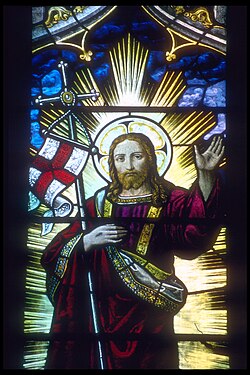
信仰の象徴として、ステンドグラスに描かれたキリストが英国の旗を支える姿などは、国家と信仰が密接に結びついてきた歴史を物語っています。
聖公会の概要まとめ
| 項目 | 内容 |
|---|---|
| 主要な指導者 | カンタベリー大主教 |
| 核心的な文書 | 共通祈祷書(Book of Common Prayer)、三十九箇条 |
| 聖職体制 | 主教・司祭・執事の三階級制 |
| 神学的傾向 | 中道(Via Media):カトリック的伝統とプロテスタント的改革の融合 |
| 世界的な分布 | 英国、ナイジェリア、ウガンダ、ケニアなどで強い基盤を持つ |
Frequently Asked Questions
聖公会はカトリックとプロテスタントのどちらなのですか?
聖公会はその両方の性質を併せ持っています。組織構造や典礼(礼拝形式)においてはカトリック的な伝統を維持していますが、教義や聖書の権威の捉え方においてはプロテスタントの改革思想を取り入れています。そのため、「中道」を歩む教派であると言えます。
「共通祈祷書」とは何ですか?
聖公会の礼拝において使用される公式な祈祷書です。個々の司祭の裁量ではなく、統一された祈りの言葉と形式を用いることで、世界中の聖公会信者が同じ信仰の枠組みで礼拝を捧げられるように設計されています。
カンタベリー大主教にはどのような権限がありますか?
ローマ・カトリックの教皇のような絶対的な統治権はありません。しかし、聖公会共同体全体の「第一座(Primate)」として、精神的な団結を促す象徴的な指導者としての役割を担っています。
ハイチャーチとローチャーチの違いは何ですか?
礼拝のスタイルと神学的強調点の違いです。ハイチャーチは、祭服の着用や儀式的な形式を重視し、カトリックに近い荘厳な礼拝を行います。一方、ローチャーチは、形式よりも説教や個人の信仰体験を重視し、よりシンプルな礼拝形式を好みます。
聖公会は世界的にどこに多いですか?
発祥の地である英国だけでなく、旧英国植民地であったアフリカ諸国(ナイジェリア、ウガンダ、ケニアなど)で非常に多くの信者がいます。現在では、アフリカの教会が共同体の中で大きな影響力を持つようになっています。
References
- An early occurrence is found in the , which contains the sentence Anglicana ecclesie libera sit "the English Church shall be free".
- According to John Godfrey,
The most famous and beautiful legend of all related to the conversion of Britain is of course that of Joseph of Arimathea, who is said to have arrived in Britain with twelve companions in the year 63 at the bidding of the apostle Philip. According to this legend, Joseph brought with him the Holy Grail and built, at Glastonbury, the first British church.
- writes that
'Celtic Christianity' is a phrase used, with varying degrees of specificity, to designate a complex of features held to have been common to the Celtic-speaking countries in the early Middle Ages. Doubts concerning the term's usefulness have repeatedly been expressed, however, and the majority of scholars consider it to be problematic ... While there is considerable evidence for divergent Irish and (to an even greater degree) British practice in matters of liturgy, baptism, and ecclesiastical administration, the usages in question seem only to have characterized specific regions, and not necessarily to have been uniformly present there. Only the Britons were accused of practising a heterodox baptism; traces of an archaic liturgy in Wales find no counterpart in the eclectic, but largely Gallican, worship attested from Ireland; and the superiority of abbots to bishops appears to have been limited to some parts of Gaelic sphere of influence.
In The Celtic Resource Book, writes thatit is important to remember that there was never any such thing as 'The Celtic Church'. It was never an organized system in the way that we understand churches today. Rather, each Celtic church was highly independent and if there was a relationship between any of them the relationship tended to be one of spiritual support through missionary endeavour, rather than through any particular church structure. It is also important to remember that the Celtic church life as it emerged in fifth-century Ireland would be quite different to that which emerged in nineteenth century Hebridean communities. Even on the mainland the patterns of church life would vary considerably from one place to another, and from one age to another.
- For a study stressing the hegemony of continental Calvinism before the 1620s, see . For a study perceiving an emerging self-conscious "Prayer Book Episcopalism" distinct from, but a predecessor to, Anglicanism, see .
- The 19th-century evangelical interpretation of the Prayerbook, now less frequent, included celebration of Holy Communion while the priest was standing at the northern short side of the communion table. This misinterpretation was caused by the fact that the 1662 Book of Common Prayer retained two contradictory rubrics. From 1552 a rubric was retained that the priest should stand at the northern long side of a communion table standing east-west in the choir (the communicants sitting in the choir stalls by the northern and southern walls). From 1559 was retained the rubric that 'the chancels shall remain as they have done in times past', originally intended to protect the mediaeval interior of church buildings from Calvinist vandalism, and – mainly neglected during the reigns of Elizabeth I and James I – it was not consented to generally before the reign of Charles II. During the reign of Elizabeth I, only the retained the mediaeval position of the communion table, standing permanently north-south at the east wall of the choir. The parish of St. Giles Cripplegate, London, began to apply the Chapels Royal arrangement of the communion table in 1599 or 1605, and from there it began to spread. Archbishop 's attempt to make it mandatory in the 1630s backfired, with well known consequences. By the reign of Charles II, however, it was applied generally, and the original intention of the northward position rubric became unintelligible, and easily misunderstood.
📸 フォトギャラリー