映画史において「サスペンスの巨匠」としてその名を刻むアルフレッド・ヒッチコックは、観客の心理を巧みに操る緊張感の演出で世界を魅了しました。単なる物語の提示ではなく、視覚的な仕掛けや緻密な構成によって「不安」や「期待」を最大化させる彼のスタイルは、現代の映画制作にも多大な影響を与え続けています。
Key Facts
- 本名:アルフレッド・ジョセフ・ヒッチコック(1899年〜1980年)
- 国籍:イギリス、アメリカ(1955年より)
- 主な功績:サスペンス映画の形式を確立し、視覚的ストーリーテリングを革新した
- 代表作:『サイコ』『北北西へ疾走』『めまい』『裏窓』など
- 特徴:緻密な絵コンテによる事前計画と、象徴的な「ヒッチコック・ブロンド」の起用
映画人生の軌跡:ロンドンからハリウッドへ
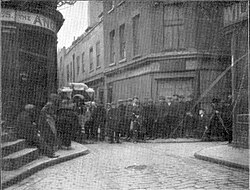
ヒッチコックは1899年、イングランドのエセックス州レイトンストーンで誕生しました。彼のキャリアは1919年から始まり、初期のサイレント映画時代からその才能を発揮します。ロンドンのゲインズバラ・ピクチャーズなどで経験を積み、次第に独自の演出スタイルを構築していきました。
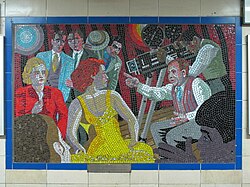
![Petrol station at the site of 517 High Road, Leytonstone, where Hitchcock was born; commemorative mural at nos. 527–533 (right)[16]](/images/fa/16/fa16cbc6d2b7140e924082977b23ad873aa58c4afd1e874cb38b3db5a09c0e05.jpg)
![Hitchcock sculpture at the site of Gainsborough Pictures, Poole Street, Hoxton, north London[54]](/images/09/29/0929de2628e6c80d72ca1342a6f365cc023080e070a2568c8e8ba5320840e64b.jpg)
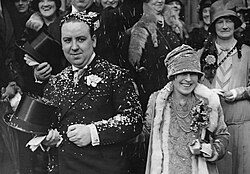
1926年にはアルマ・レヴィルと結婚し、彼女は単なる配偶者としてだけでなく、彼の作品制作における重要なパートナーとなりました。その後、音響映画の黎明期に『ブラックメール』などの作品を手がけ、イギリス国内で確固たる地位を築きます。
1939年、彼は大いなる転機となるハリウッドへの移住を果たします。デヴィッド・O・セルズニックとの契約を経て、『レベッカ』などの大ヒット作を連発。戦時中にはドキュメンタリー映画にも取り組み、表現の幅を広げました。
黄金期と革新的な演出スタイル
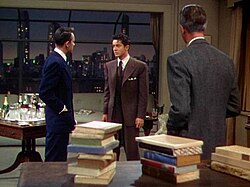
1950年代から60年代にかけて、ヒッチコックはキャリアの絶頂期を迎えます。『裏窓』や『めまい』、『北北西へ疾走』といった作品では、カメラワークと編集を駆使して観客を物語に没入させる手法を極めました。特に、固定カメラによる視点の限定や、心理的な圧迫感を生む構図は彼の代名詞となりました。
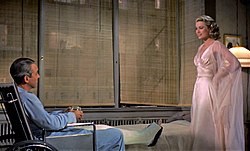
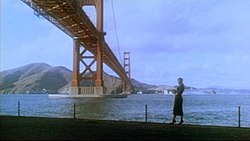
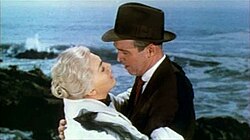
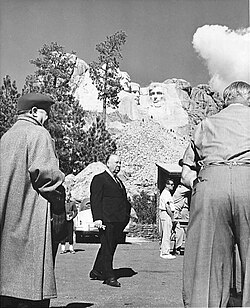
また、彼は特定のタイプの女性像(ブロンドの美女)を主人公に据える傾向があり、これは後に「ヒッチコック・ブロンド」と呼ばれる象徴的なスタイルとなりました。
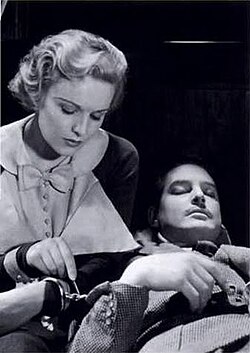
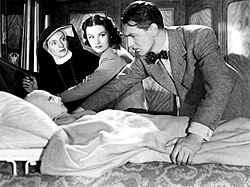
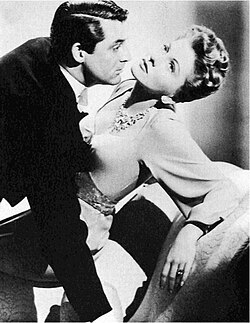
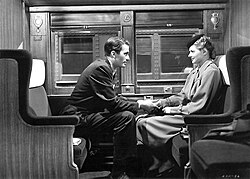
1960年の『サイコ』では、それまでの映画の常識を覆す衝撃的な展開と編集を導入し、心理スリラーというジャンルを定義づけました。晩年には『鳥』や『マーニー』などを制作し、1980年にロサンゼルスでその生涯を閉じました。
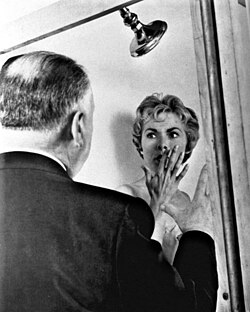
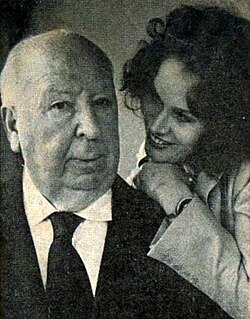
巨匠の遺産と評価
ヒッチコックの功績は、単なる作品の成功に留まりません。彼は撮影前に詳細なストーリーボード(絵コンテ)を作成し、現場での迷いを排除する徹底した準備主義を貫きました。また、俳優を「駒」のように扱い、監督の意図を完璧に反映させる演出手法でも知られています。
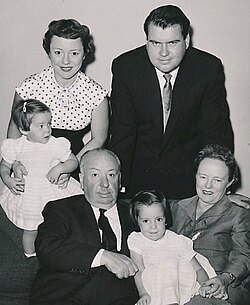
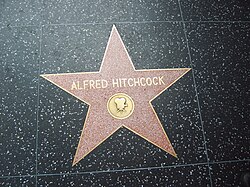
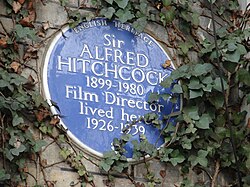
彼の作品は数多くの賞にノミネートされ、映画界における最高峰の評価を受けています。その影響力は、後の映画監督たちが彼の手法を研究し、オマージュを捧げ続けていることからも明らかです。
以下に、彼の主要作品における評価をまとめます。
| 作品名 | 公開年 | アカデミー賞ノミネート数 | 主な特徴 |
|---|---|---|---|
| レベッカ | 1940 | 11 | ハリウッド初作にして大成功 |
| 裏窓 | 1954 | 4 | 限定された視点によるサスペンス |
| 北北西へ疾走 | 1959 | 3 | ダイナミックなアクションと構成 |
| サイコ | 1960 | 4 | 映画史に残る衝撃的な編集技法 |
Frequently Asked Questions
「サスペンスの巨匠」と呼ばれる理由は?
観客にだけ情報を与え、登場人物がそれに気づかない状況を作ることで、極限の緊張感(サスペンス)を生み出す技法を確立したためです。
「ヒッチコック・ブロンド」とは何ですか?
彼が好んで起用した、クールで洗練されたブロンドの女性キャラクターのことです。外見の完璧さと、物語の中で翻弄される内面のギャップが魅力として描かれました。
作品制作において最も重視していたことは?
徹底した事前計画です。詳細な絵コンテを作成し、撮影段階ではすでに映画が完成している状態にすることを理想としていました。
俳優との関係はどうだったと言われていますか?
俳優を個人の表現者としてではなく、監督のビジョンを実現するための「道具」や「駒」として扱う傾向があったことで知られています。
彼のキャリアで最も影響力のあった作品は?
作品によりますが、『サイコ』はホラーやスリラー映画の文法を根本から変えた点において、極めて高い影響力を持っています。
References
- According to Gene Adair (2002), Hitchcock made 53 feature films. According to in 1980, it was 54.
- The films selected for the are (1940), (1943), (1946), (1951), (1954), (1958), (1959), (1960) and (1963).
- Alfred Hitchcock (, 16 July 1972): "My own favorite is Shadow of a Doubt. You never saw it? Ah. It was written by . It's a character study, a suspense thriller. The beauty of the film was it was shot in the actual town."
- In his first story, "Gas" (June 1919), published in the first issue, a young woman is being assaulted by a mob of men in Paris, only to find she has been hallucinating in the dentist's chair. This was followed by "The Woman's Part" (September 1919), which describes a husband watching his wife, an actor, perform on stage. "Sordid" (February 1920) concerns an attempt to buy a sword from an antiques dealer, with another twist ending. "And There Was No Rainbow" (September 1920) finds Bob caught with a friend's wife. In "What's Who?" (December 1920), confusion reigns when a group of actors impersonate themselves. "The History of Pea Eating" (December 1920) is a satire on the difficulty of eating peas. His final piece, "Fedora" (March 1921) describes an unknown woman: "small, simple, unassuming, and noiseless, yet she commands profound attention on all sides".
- In 2017, a magazine poll ranked Sabotage as the 44th best British film ever.
- Hitchcock told in 1967: "They had gone through the film in my absence and taken out every scene that indicated the possibility that Cary Grant was a murderer. So there was no film existing at all. That was ridiculous. Nevertheless, I had to compromise on the end. What I wanted to do was that the wife was aware that she was going to be murdered by her husband, so she wrote a letter to her mother saying that she was very much in love with him, she didn't want live anymore, she was going to be killed but society should be protected. She therefore brings up this fatal glass of milk, drinks it and before she does she says, "Will you mail this letter to mother?" Then she drinks the milk and dies. You then have just one final scene of a cheerful Cary Grant going to the mailbox and posting the letter. ... But this was never permitted because of the basic error in casting."
- A 2012 poll ranked Vertigo as the .
- A documentary on Psycho's shower scene, 78/52, was released in 2017, directed by ; the title refers to the scene's 78 camera setups and 52 cuts.
- Thomas McDonald (The New York Times, 1 April 1962): "Starring in the film are Rod Taylor, Suzanne Pleshette, Jessica Tandy and 'Tippi' Hedren. Hitchcock signed Miss Hedren, a New York model, to a contract after having seen her in a television commercial. He insisted that she enclose her first name in single quotation marks, but would not explain why."
- In 1967, Hitchcock told Truffaut: "I think the most interesting women, sexually, are the English women. I feel that the English women, the Swedes, the northern Germans, and Scandinavians are a great deal more exciting than the Latin, the Italian, and the French women. Sex should not be advertised. An English girl, looking like a schoolteacher, is apt to get into a cab with you and, to your surprise, she'll probably pull a man's pants open. ... [W]ithout the element of surprise the scenes become meaningless. There's no possibility to discover sex."
📸 フォトギャラリー