中絶の権利運動(プロチョイス運動とも呼ばれる)は、選択的中絶を含む人工妊娠中絶への法的アクセスを求める社会的な動きです。この運動の核心は、女性が法的処罰や社会的なバッシングを恐れることなく、自らの意思で妊娠の中止を選択できる権利を保障し、支援することにあります。これは、中絶に反対する「プロライフ」運動と真っ向から対立する概念です。
中絶をめぐる議論は、現代社会においても非常に分断されており、法的な緩和を求める声と制限を強める声が常に衝突しています。また、運動内部においても、妊娠後期の処置をどこまで認めるかといった詳細な条件について、意見が分かれる場合があります。
主要な事実(Key Facts)
- プロチョイス:個人の選択による中絶へのアクセスを支持する立場。
- 安全性の格差:アフリカなど法規制が厳しい地域では、不安全な中絶による合併症や死亡率が高い傾向にある。
- 法的トレンド:アイルランドや韓国、アルゼンチンなど、近年憲法裁判所の判断や国民投票を経て合法化へ向かった国がある。
- 地域的差異:アジアではASAP(アジア安全中絶パートナーシップ)などのネットワークが、権利の拡大と安全な医療へのアクセスを推進している。
中絶の権利をめぐる歴史的展開
欧米における初期の動きと転換点
20世紀前半から半ばにかけて、多くの国で中絶は厳格に禁止されていました。米国では1900年から1965年頃まで、母親の生命を救う場合を除き、中絶を行う医師も受ける女性も法的な追及を受ける時代が続きました。しかし1960年代に入ると、性暴力被害者や胎児に重い障害がある場合などの例外を認めるべきだという専門家の提案により、法改正への機運が高まりました。
イギリスでは、第二次世界大戦後の社会変化を背景に、1967年の中絶法(Abortion Act 1967)が制定されました。これにより、妊娠28週未満で、女性や既存の子どもの身体的・精神的健康へのリスクがある場合に中絶が合法化されました。

米国における激動の歴史
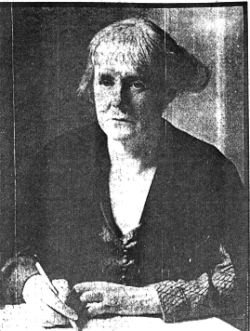
米国では1960年代、不法中絶による死亡事故などの悲劇が運動の象徴となり、権利拡大への要求が強まりました。シカゴでは「ジェーン(Jane)」と呼ばれるグループが、法的にアクセスできない女性のために秘密裏にクリニックを運営していた歴史もあります。1969年には後のNARAL(全米中絶権利行動連盟)の前身となる組織が結成され、組織的な活動が始まりました。
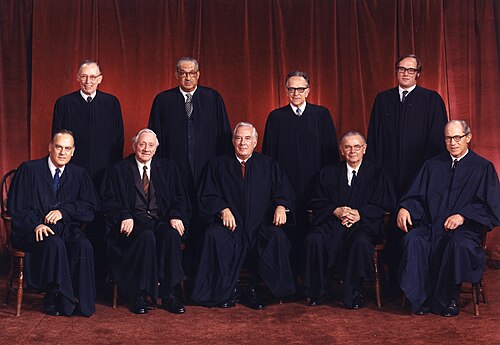
1973年の「ロー対ウェイド判決」は歴史的な転換点となりましたが、近年の傾向は異なります。2011年から2019年の間に、胎児の心拍が確認された時点で中絶を禁止する「心拍法」など、アクセスを制限する法律が多くの州で導入されました。これに対し、自身の経験を公表してタブーを打破しようとする「You Know Me」運動などの新たな動きも生まれています。
世界各地域の現状と課題
アフリカとアジアの状況
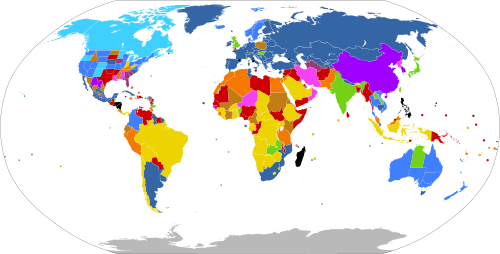
アフリカでは、若年層の妊娠増加に伴い中絶件数が増加していますが、54カ国中10カ国でしか合法化されておらず、大多数の女性が極めて厳しい制限下にあります。WHOが推奨する訓練を受けた専門家による処置を受けられないため、不完全中絶や大量出血による死亡率が世界で最も高い地域となっています。
アジアでは、ASAP(アジア安全中絶パートナーシップ)が中心となり、女性の自律性と尊厳を守るためのアドボカシー活動を展開しています。しかし、法的に認められていても、インドのように貧困層や社会的弱者が不安全な中絶に追い込まれるケースや、フィリピンのように厳格な禁止により毎年多くの死者が出ている国もあり、法制度と実態の乖離が課題となっています。
東アジアの動向:韓国と日本
韓国では1953年から中絶が違法とされてきましたが、2019年に憲法裁判所が中絶禁止を違憲と判断しました。これにより、多くの女性団体(FemidangdangやWomenlinkなど)による長年の抗議活動と請願が実を結び、法改正への道が開かれました。
ヨーロッパと中東の多様性
アイルランドでは、かつて憲法で中絶が厳しく制限されていましたが、2012年のサビタ・ハラパナヴァーさんの死亡事件をきっかけに反対運動が激化。2018年の国民投票で67%が賛成し、憲法改正による合法化を実現しました。一方、ポーランドでは依然として厳しい制限があり、法改正に反対する激しい抗議デモが発生しています。
中東・北アフリカ地域では、国によって解釈が異なります。一部の国では女性の健康や胎児の障害、レイプなどの場合に認められていますが、WHOの報告では依然として年間約90万件の不安全な中絶が行われていると推定されています。
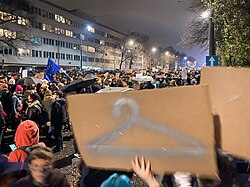

南米の進展:アルゼンチンの事例
南米ではアルゼンチンが先駆的な動きを見せました。2020年12月、激しい議論の末に下院および上院で中絶合法化法案が可決され、受精後14週までの合法的なアクセスが認められました。これにより、アルゼンチンは中絶を合法化したラテンアメリカで4番目の国となりました。
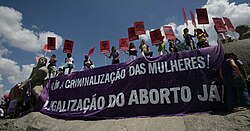
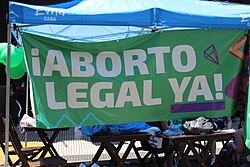
世界の中絶法に関するまとめ
中絶の合法性は国や地域によって大きく異なり、単なる法律の有無だけでなく、医療へのアクセス権や経済的状況が安全性を左右しています。
| 地域 | 主な傾向・特徴 | 主な課題・動向 |
|---|---|---|
| 北米(米国) | 州によって合法性と制限が激しく変動 | 心拍法などの制限法導入と権利回復運動の対立 |
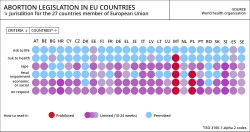
| ヨーロッパ | 概ね合法だが、ポーランドなど一部で厳格な制限 | アイルランドのような国民投票による権利拡大 |
| アフリカ | 大多数の国で厳格に禁止または制限 | 不安全な中絶による高い死亡率と医療不足 |
| アジア | 合法な国もあるが、実効的なアクセスに格差 | ASAPによるネットワーク化と権利擁護活動 |
| 南米 | 近年、合法化へ向かう国が増加傾向 | アルゼンチンでの法制化など、権利拡大の加速 |
よくある質問(FAQ)
プロチョイス(Pro-Choice)とは具体的にどのような考え方ですか?
妊娠を継続するか、あるいは中絶するかという決定権は、外部の強制ではなく、女性本人が自らの身体的・精神的状況に基づいて決定できるべきであるという考え方です。
不安全な中絶(Unsafe Abortion)とは何を指しますか?
WHOなどの基準を満たさない、訓練を受けていない人物によって行われる処置や、不衛生な環境での処置を指します。これにより、大量出血や感染症などの深刻な合併症を引き起こすリスクが高まります。
中絶の権利運動はすべての中絶を無制限に認めることを求めているのでしょうか?
いいえ。運動内部でも、妊娠後期の処置(Late-term abortion)を認めるか、あるいは一定の週数制限を設けるべきかについて、意見が分かれている場合があります。
最近の国際的な傾向はどうなっていますか?
アイルランドや韓国、アルゼンチンの例に見られるように、女性の自己決定権や健康権を重視し、法的な制限を緩和または撤廃する方向へ動く国が増えています。一方で、米国の一部のように制限を強める動きもあり、地域によって二極化しています。
References
- Holstein, James A. & Gubrium, Jaber F. (2008). Handbook of Constructionist Research. Guilford Press. .
- "Committed to Availability, Conflicted about Morality: What the Millennial Generation Tells Us about the Future of the Abortion Debate and the Culture Wars". Public Religion Research Institute. June 9, 2011. Archived from the original on May 5, 2016. Retrieved July 18, 2013.
- Kilgore, Ed (May 25, 2019). "The Big 'Pro-Life' Shift in a New Poll Is an Illusion". Intelligencer. Retrieved July 23, 2019.
- Goldstein, Norm, ed. The Associated Press Stylebook. Philadelphia: Basic Books, 2007.
- Ph. D., Religion and Society; M. A., Humanities; B. A., Liberal Arts. "When Did Abortion Begin?". ThoughtCo. Retrieved March 3, 2021.
- Mohr, James C. (1978). Abortion in America: The Origins and Evolution of National Policy, 1800–1900. New York: Oxford University Press. pp. 3–4.
- Hardin, Garrett (December 1978). "Abortion in America. The Origins and Evolution of National Policy, 1800–1900. James C. Mohr". The Quarterly Review of Biology. 53 (4): 499. :10.1086/410954.
- Reagan, Leslie J. (June 2, 2022). "What Alito Gets Wrong About the History of Abortion in America". Politico. Archived from the original on June 23, 2022. Retrieved June 26, 2022.
- Gordon, Sarah Barringer. "Law and Everyday Death: Infanticide and the Backlash against Woman's Rights after the Civil War." Lives of the Law. Austin Sarat, Lawrence Douglas, and Martha Umphrey, Editors. (University of Michigan Press 2006) p.67
- (October 13, 2006). "Desperately Seeking Susan". New York Times. Retrieved February 5, 2009.
📸 フォトギャラリー